312 kr
Skickas inom 7-10 vardagar
312 kr
Skickas inom 7-10 vardagar
312 kr
Skickas inom 7-10 vardagar
627 kr
Skickas inom 7-10 vardagar
671 kr
Skickas inom 10-15 vardagar
496 kr
Skickas inom 7-10 vardagar
139 kr
Skickas
695 kr
Skickas inom 10-15 vardagar
490 kr
Skickas inom 10-15 vardagar
695 kr
Skickas inom 10-15 vardagar
2 601 kr
Skickas inom 10-15 vardagar
2 601 kr
Skickas inom 10-15 vardagar
2 601 kr
Skickas inom 10-15 vardagar
801 kr
Skickas inom 7-10 vardagar
294 kr
Skickas inom 11-20 vardagar
252 kr
Skickas inom 3-6 vardagar
241 kr
Skickas inom 7-10 vardagar
155 kr
Skickas inom 7-10 vardagar
1 083 kr
Skickas inom 7-10 vardagar
1 089 kr
Läs direkt efter köp
2 311 kr
Skickas inom 10-15 vardagar
851 kr
Skickas inom 10-15 vardagar
653 kr
Skickas inom 10-15 vardagar
982 kr
Läs direkt efter köp
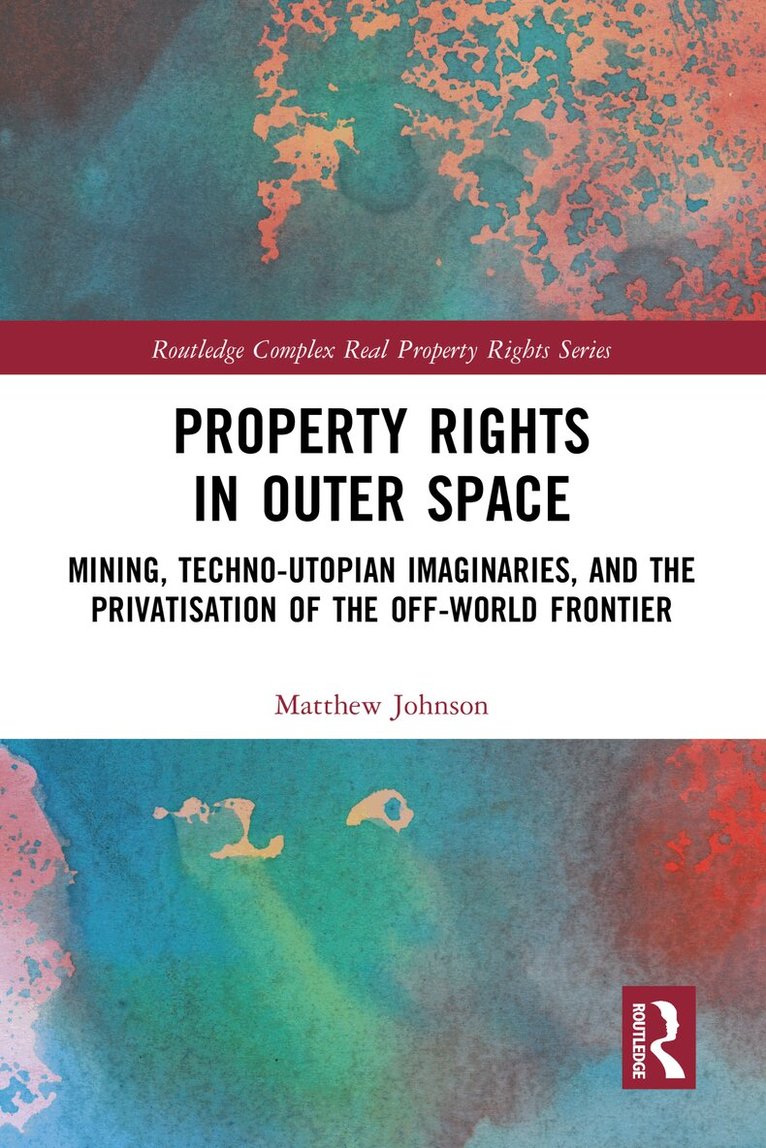
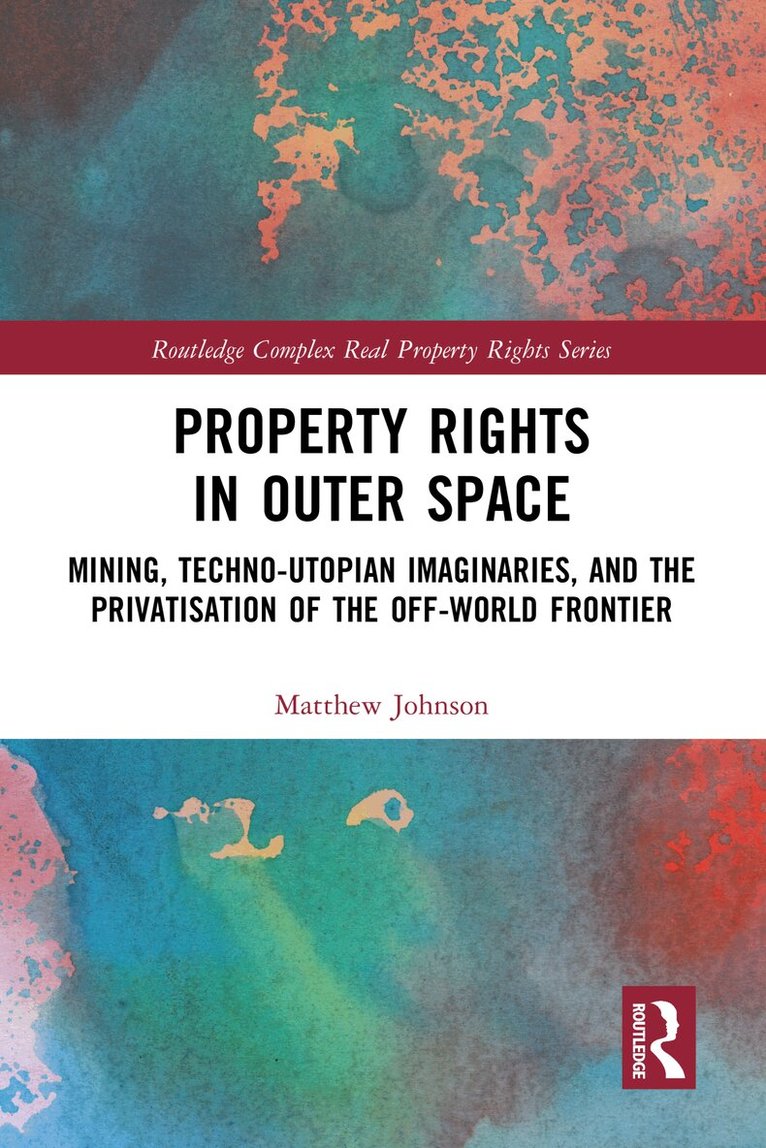
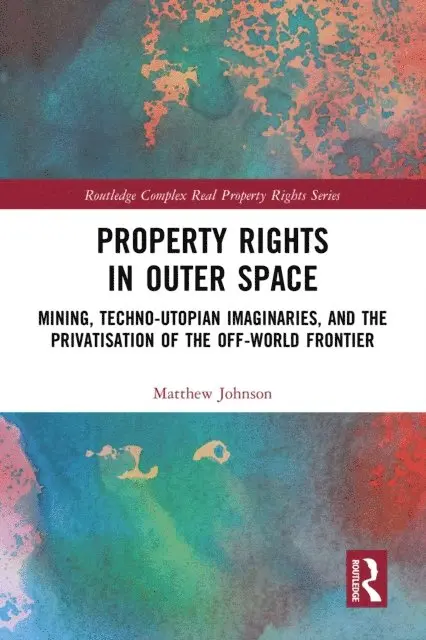
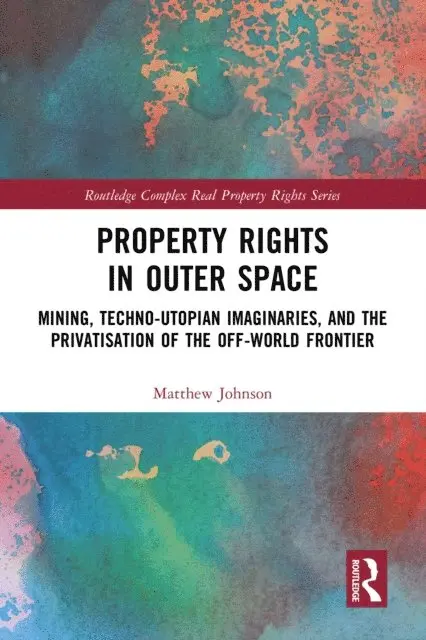
This book explores the role of private mining rights in the utopian imaginary of space colonisation. It presents a transdisciplinary account of the new and evolving legislative frameworks that have been established in anticipation of commercial exploitation of the mineral resources of the off-world frontier. Written in an engaging style, the book investigates a novel case study in the history of capitalism and ''the commons'': the emergence of a nascent space mining industry, undergirded by a contentious legislative framework. In 2015, the US passed laws that would recognise the claims of US corporations to own and sell space resources. This unilateral act of pre-emptive law-making would appear to contravene the terms of the UN Outer Space Treaty (1967), which declared that the exploration and use of outer space should be ‘for the benefit of all mankind’ and ‘not subject to national appropriation’.
Using this central dynamic between privately held mining rights and outer space as a ''global commons'', Matthew Johnson constructs an historical sociology of space mining – from the deep historical roots of common and private property to the contemporary networks of neoliberalism that have engaged with the commercialisation of space activity. The anticipatory expansion of private property claims beyond the Earth both resonates with and problematises the ‘terrain’ of political history, such as the tensions between states and markets, public law and private power, ‘the commons’ and exclusive property. The emerging cosmopolitics of off-world private property mirrors (and is often explicitly embedded within) neoliberal geopolitics, prompting urgent questions about how we can reaffirm principles of democracy and ‘common heritage’ in the international laws of Earth and space. This book is compelling reading for anyone interested in the social study of space, law, economics, technology, politics and property rights.
416 kr
Skickas inom 10-15 vardagar
721 kr
Läs direkt efter köp
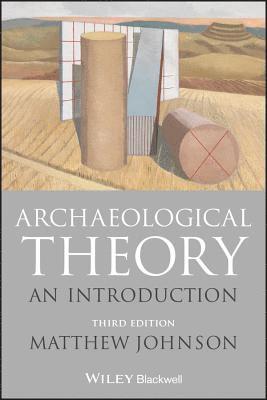
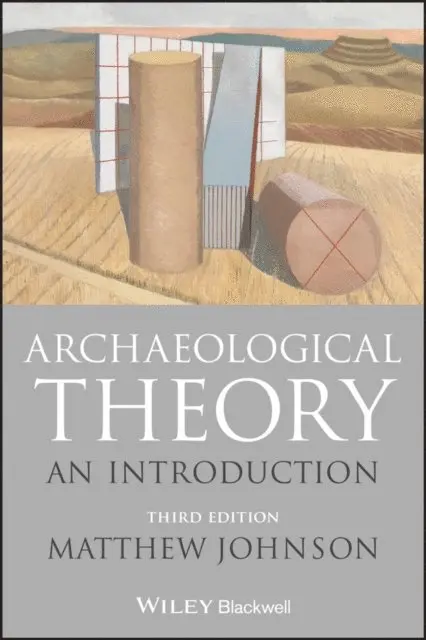
A lively and accessible introduction to themes and debates in archaeological theory for students of all levels
Archaeological Theory is a relatable, accessible, reader-friendly first step into the world of theory for archaeology students. Recognizing that many students shy away from the study of theory for fear that the material is too difficult or obscure, Archaeological Theory maintains that any student can develop an understanding of theory and that a knowledge of theory will lead to better practice. As one of the leading texts for introductory courses in archaeology and archaeological theory, it has provided many students with the essential foundation for a complete education in the discipline.
With a focus on clarifying the history and development of archaeological theory, this valuable text serves as a roadmap to the different schools of theory in archaeology, clarifying the foundations of these schools of thought, the relationships between them, and the ideas that distinguish each from the other. Students will also learn about the relationship between archaeology and cultural and political developments, the origins of New and ‘post-processual’ archaeology, and current issues shaping the field. Written in a clear and informal style and incorporating examples, cartoons, and dialogues, this text provides an ideal introduction for students at all levels. The revised third edition has been updated with new and revised chapters and an expanded glossary and bibliography, as well as new readings to guide further study.
Engages readers with informal and easy-to-understand prose, as well as examples, cartoons, and informal dialogues Prepares students to understand complex topics and current and perennial issues in the field such as epistemology, agency, and materiality in the context of archaeological practice Discusses current developments in associated disciplines New and revised chapters on the material turn, politics and other issues, and an expanded glossary and bibliography with updated reading suggestions Offers expanded coverage of materiality, cultural-historical archaeology, evolutionary theory, and the work of scholars of diverse backgrounds and specializationsEngaging and illuminating, Archaeological Theory is an indispensable resource for undergraduate and graduate students in archaeology and related disciplines.

706 kr
Läs direkt efter köp
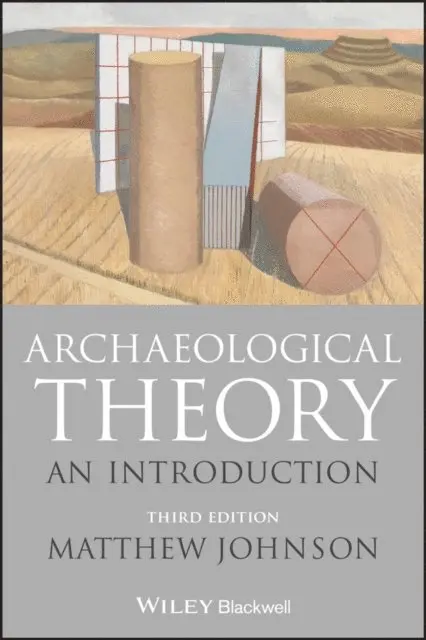
A lively and accessible introduction to themes and debates in archaeological theory for students of all levels
Archaeological Theory is a relatable, accessible, reader-friendly first step into the world of theory for archaeology students. Recognizing that many students shy away from the study of theory for fear that the material is too difficult or obscure, Archaeological Theory maintains that any student can develop an understanding of theory and that a knowledge of theory will lead to better practice. As one of the leading texts for introductory courses in archaeology and archaeological theory, it has provided many students with the essential foundation for a complete education in the discipline.
With a focus on clarifying the history and development of archaeological theory, this valuable text serves as a roadmap to the different schools of theory in archaeology, clarifying the foundations of these schools of thought, the relationships between them, and the ideas that distinguish each from the other. Students will also learn about the relationship between archaeology and cultural and political developments, the origins of New and ‘post-processual’ archaeology, and current issues shaping the field. Written in a clear and informal style and incorporating examples, cartoons, and dialogues, this text provides an ideal introduction for students at all levels. The revised third edition has been updated with new and revised chapters and an expanded glossary and bibliography, as well as new readings to guide further study.
Engages readers with informal and easy-to-understand prose, as well as examples, cartoons, and informal dialogues Prepares students to understand complex topics and current and perennial issues in the field such as epistemology, agency, and materiality in the context of archaeological practice Discusses current developments in associated disciplines New and revised chapters on the material turn, politics and other issues, and an expanded glossary and bibliography with updated reading suggestions Offers expanded coverage of materiality, cultural-historical archaeology, evolutionary theory, and the work of scholars of diverse backgrounds and specializationsEngaging and illuminating, Archaeological Theory is an indispensable resource for undergraduate and graduate students in archaeology and related disciplines.

779 kr
Läs direkt efter köp
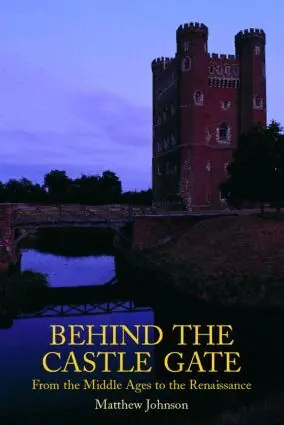
In this engaging book Matthew Johnson looks ''behind the castle gate'' to discover the truth about castles in England at the end of the Middle Ages.
Traditional studies have seen castles as compromises between the needs of comfort and of defence, and as statements of wealth or power or both. By encouraging the reader to view castles in relation to their inhabitants, Matthew Johnson uncovers a whole new vantage point. He shows how castles functioned as stage-settings against which people played out roles of lord and servant, husband and wife, father and son. Building, rebuilding and living in a castle was as complex an experience as a piece of medieval art.
Behind the Castle Gate brings castles and their inhabitants alive. Combining ground-breaking scholarship with fascinating narratives it will be read avidly by all with an interest in castles.
785 kr
Läs direkt efter köp
In this engaging book Matthew Johnson looks ''behind the castle gate'' to discover the truth about castles in England at the end of the Middle Ages.
Traditional studies have seen castles as compromises between the needs of comfort and of defence, and as statements of wealth or power or both. By encouraging the reader to view castles in relation to their inhabitants, Matthew Johnson uncovers a whole new vantage point. He shows how castles functioned as stage-settings against which people played out roles of lord and servant, husband and wife, father and son. Building, rebuilding and living in a castle was as complex an experience as a piece of medieval art.
Behind the Castle Gate brings castles and their inhabitants alive. Combining ground-breaking scholarship with fascinating narratives it will be read avidly by all with an interest in castles.
815 kr
Skickas inom 10-15 vardagar