Revered by Buddhists in the United States and China, Master Sheng-yen shares his wisdom and teachings in this first comprehensive English primer of Chan, the Chinese tradition of Buddhism that inspired Japanese Zen. Often misunderstood as a system of mind games, the Chan path leads to enlightenment through apparent contradiction. While demanding the mental and physical discipline of traditional Buddhist doctrine, it asserts that wisdom (Buddha-nature) is innate and immediate in all living beings, and thus not to be achieved through devotion to the strictures of religious practice. You arrive without departing. Master Sheng-yen provides an unprecedented understanding of Chan, its precepts, and its practice. Beginning with a basic overview of Buddhism and meditation, Hoofprint of the Ox details the progressive mental exercises traditionally followed by all Buddhists. Known as the Three Disciplines, these procedures develop moral purity, meditative concentration, and enlightening insight through the "stilling" of the mind. Master Sheng-yen then expounds Chan Buddhism, recounting its centuries-old history in China and illuminating its fundamental tenets. He contemplates the nature of Buddhahood, specifies the physical and mental prerequisites for beginning Chan practice, and humbly considers what it means to be an enlightened Chan master. Drawing its title from a famous series of pictures that symbolizes the Chan path as the search of an ox-herd for his wayward ox, Hoofprint of the Ox is an inspirational guide to self-discovery through mental transformation. A profound contribution to Western understanding of Chan and Zen, this book is intended for practicing Buddhists as well as anyone interested in learning about the Buddhist path.
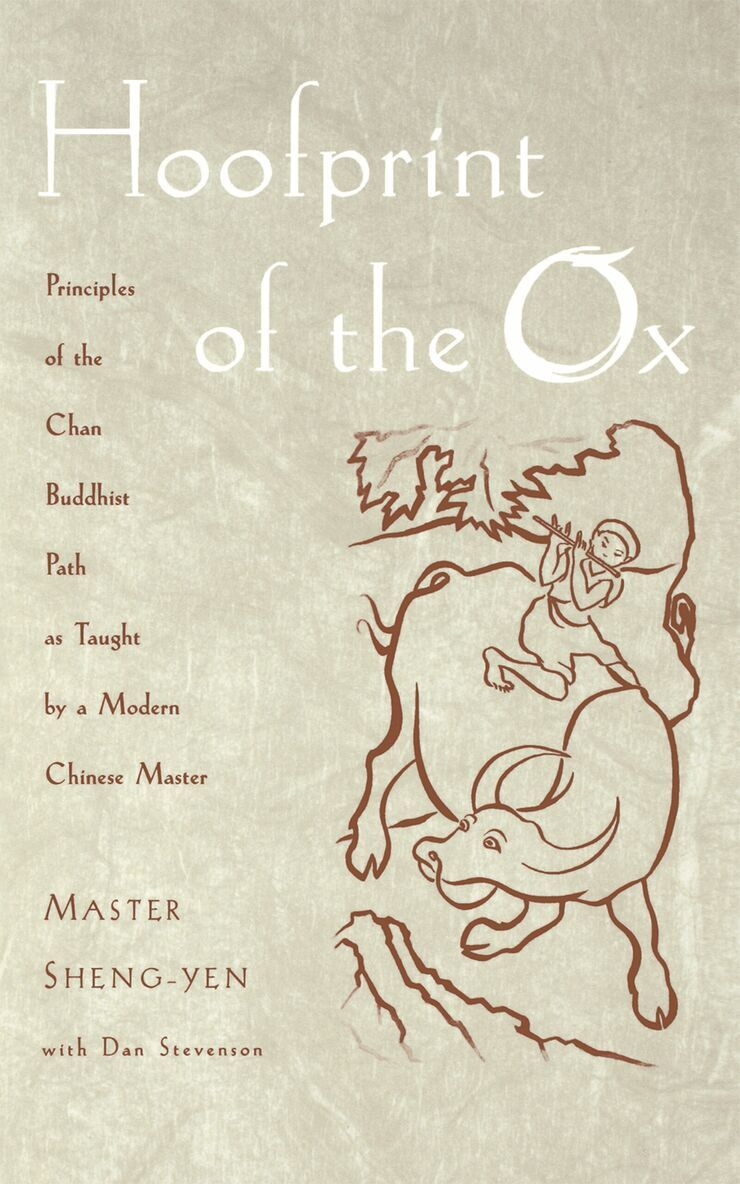
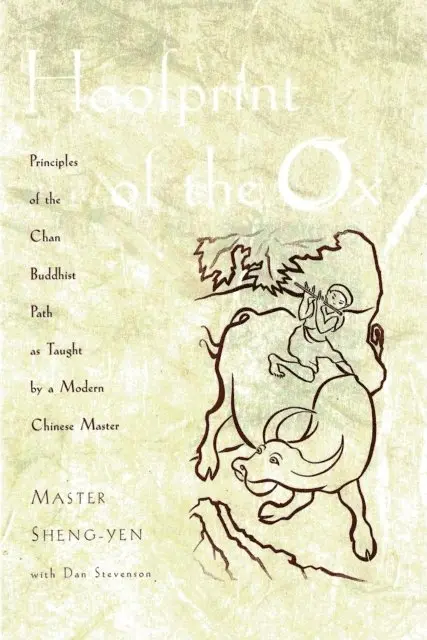
This book offers a comprehensive introduction to the Chan (Japanese, Zen) Buddhist Path. The author, Chan Master Sheng-yen, is a revered figure in the Chinese Buddhist diaspora who divides his time between institutions in Taipei and New York. Although Zen Buddhism originated and evolved in China and is experiencing a revival there today, most Westerners are far more familiar with its Japenese manifestation as popularised by D.T. Suzuki. Master Sheng-yen hopes this book will rectify this situation. Most of the book is given over to normative instructions on the Buddhist path, intended for readers with a personal interest in Buddhist thought and practice. Sheng-yen offers readers a course that blends academic learning, study of Buddhist doctrine, and rigorous meditation practice. The title of the book refers to the Ten Ox-herding Pictures - a set of diagrams used by Buddhists in East Asia since at least the 12th century to chart the stages of spiritual progress on the Chan Path. In the early stages of practice, the learner has to follow the "hoofprints of the ox", which represents the teachings offered by scripture and oral tradition. The ox itself is the Buddha nature, which the practitioner must first recognise and ultimately master. The final chapter of the book consists of an exegesis of these famous diagrams. Throughout the book, master Sheng-yen takes care to place Chan within its proper context in relation to other traditional froms of Buddhist teaching and practice.
Revered by Buddhists in the United States and China, Master Sheng-yen shares his wisdom and teachings in this first comprehensive English primer of Chan, the Chinese tradition of Buddhism that inspired Japanese Zen. Often misunderstood as a system of mind games, the Chan path leads to enlightenment through apparent contradiction. While demanding the mental and physical discipline of traditional Buddhist doctrine, it asserts that wisdom (Buddha-nature) is innate and immediate in all living beings, and thus not to be achieved through devotion to the strictures of religious practice. You arrive without departing. Master Sheng-yen provides an unprecedented understanding of Chan, its precepts, and its practice. Beginning with a basic overview of Buddhism and meditation, Hoofprint of the Ox details the progressive mental exercises traditionally followed by all Buddhists. Known as the Three Disciplines, these procedures develop moral purity, meditative concentration, and enlightening insight through the "stilling" of the mind. Master Sheng-yen then expounds Chan Buddhism, recounting its centuries-old history in China and illuminating its fundamental tenets. He contemplates the nature of Buddhahood, specifies the physical and mental prerequisites for beginning Chan practice, and humbly considers what it means to be an enlightened Chan master. Drawing its title from a famous series of pictures that symbolizes the Chan path as the search of an ox-herd for his wayward ox, Hoofprint of the Ox is an inspirational guide to self-discovery through mental transformation. A profound contribution to Western understanding of Chan and Zen, this book is intended for practicing Buddhists as well as anyone interested in learning about the Buddhist path.
Master Sheng-yen, a dharma descendant from the founders of Buddhism in China, considers the concepts of suffering, enlightenment, and compassion; provides a glossary of key terms; and briefly recaps the history of Buddhism in China. But he goes beyond these issues to discuss contemporary matters and questions he has encountered in his years of teaching in the United States. Sometimes personal and always instructive, Sheng-yen''s introductory work is perfect for those just coming to Buddhism, and for those who are already very familiar with the Tibetan and Zen schools.
Having originated in China in the 6th century, Chan Buddhism is now growing rapidly in popularity, much of which can be attributed to its open, accepting attitude and its focus on a choice of meditative practices to best suit each individual. With the bulk of the text made up of edited transcripts of the teachings at two major retreats led in Wales in 1989 and 1995 by the then-head of the movement, Master Sheng-yen, this jewel of a book offers a rare glimpse inside both the ancient teachings and the contemporary practice of Chan. Words like 'enlightenment' rarely pass the lips of Master Sheng-yen. Instead, he makes it clear that his retreats are for the development of practice, to realize one is not in control of one's own mind, to discover how to train one's mind in awareness, to calm the mind, and to replace ignorance with insight. Commentary by Sheng-yen's much respected Western disciple John Crook gives full context to the teachings and provides a fascinating account of the practical aspects of a retreat of this nature, including the meditative practices of watching the breath, counting the breath and of 'Silent Illumination' that lies at the heart of Chinese Zen. In so doing the atmosphere of such a retreat is powerfully evoked, especially when Crook recounts the experiences and impacts of his own years of practice.