1 838 kr
Skickas inom 10-15 vardagar
1 838 kr
Skickas inom 10-15 vardagar
564 kr
Skickas inom 10-15 vardagar
725 kr
Skickas inom 10-15 vardagar
2 526 kr
Skickas inom 10-15 vardagar
725 kr
Skickas inom 10-15 vardagar
2 497 kr
Skickas inom 10-15 vardagar
2 497 kr
Skickas inom 10-15 vardagar
789 kr
Skickas inom 10-15 vardagar
654 kr
Läs direkt efter köp
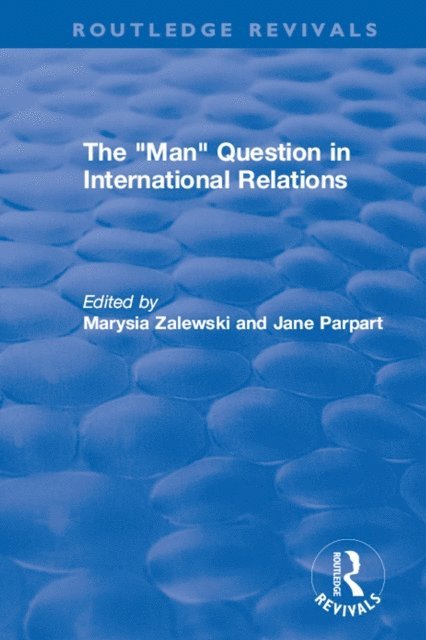
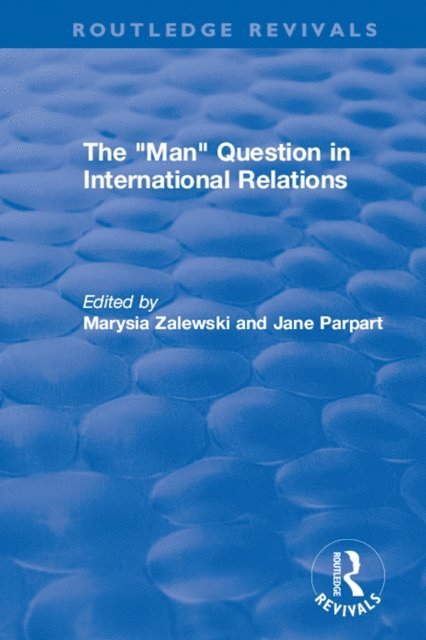
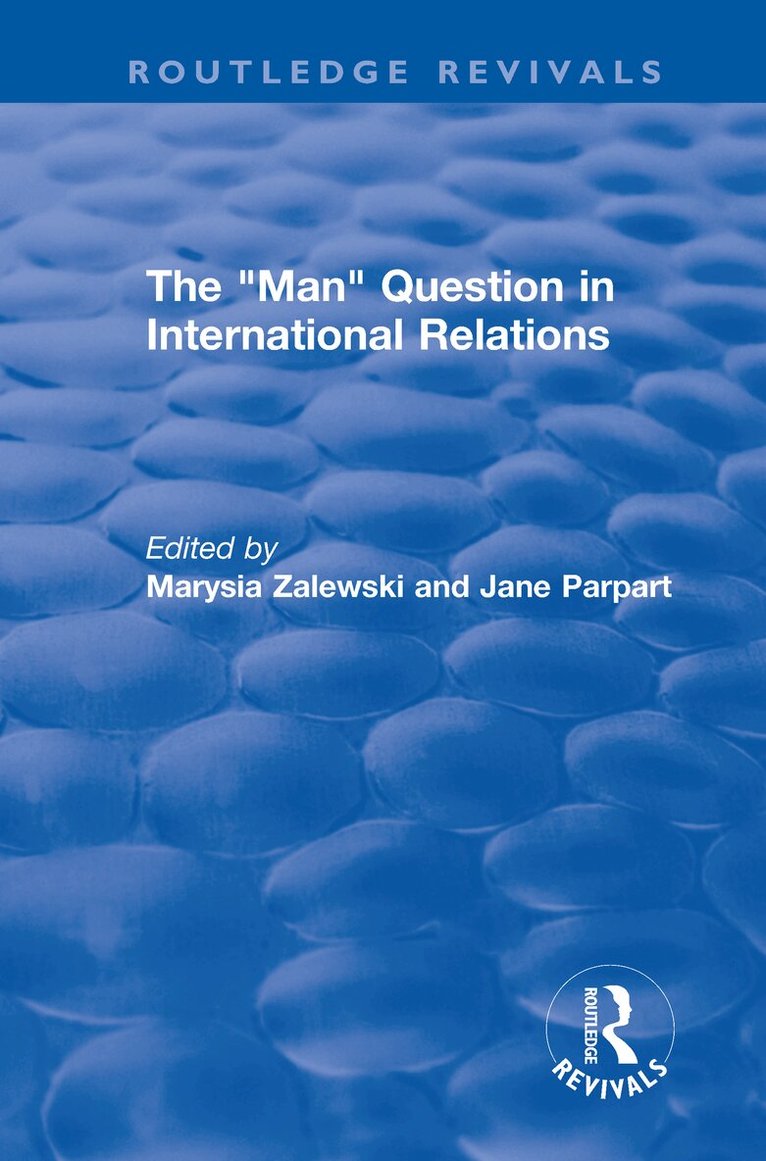
Originally published in 1998, The "Man" Question in International Relations looks the prevalence of man in the world of international relations. The book argues that, focusing on women as a way of changing the gender of international relations can position women as "the problem." The authors of this book suggest that the problem is not "woman" but "man." Rather than highlighting the absences and presence of women in the theories and practices of international relations, the authors concentrate on questioning the practices of masculinities, the hegemony of men, and the subject of "man." In this way, they hope to destabilize the field in ways that "adding women and stirring" has not.
658 kr
Läs direkt efter köp
Originally published in 1998, The "Man" Question in International Relations looks the prevalence of man in the world of international relations. The book argues that, focusing on women as a way of changing the gender of international relations can position women as "the problem." The authors of this book suggest that the problem is not "woman" but "man." Rather than highlighting the absences and presence of women in the theories and practices of international relations, the authors concentrate on questioning the practices of masculinities, the hegemony of men, and the subject of "man." In this way, they hope to destabilize the field in ways that "adding women and stirring" has not.
565 kr
Skickas inom 7-10 vardagar
2 722 kr
Kommande
639 kr
Kommande
843 kr
Läs direkt efter köp
830 kr
Läs direkt efter köp
935 kr
Läs direkt efter köp
915 kr
Läs direkt efter köp
2 489 kr
Skickas inom 10-15 vardagar
773 kr
Skickas inom 10-15 vardagar
849 kr
Läs direkt efter köp
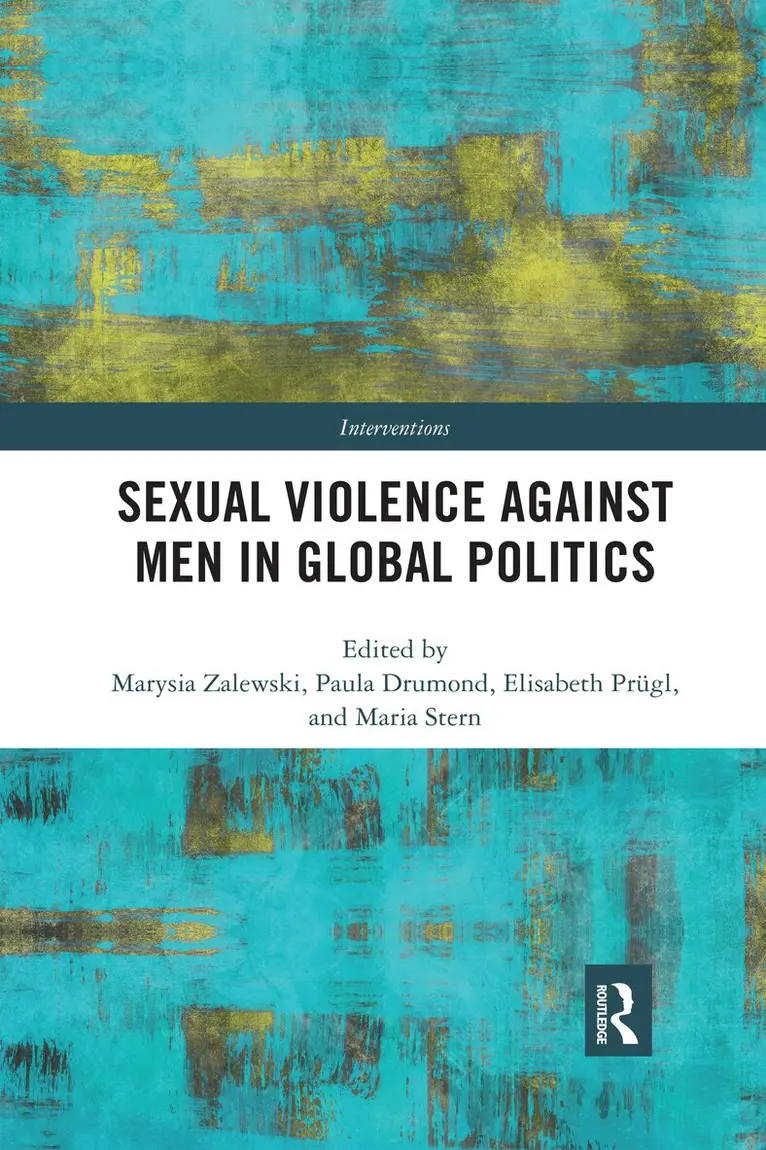
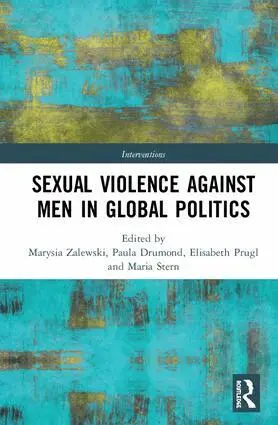
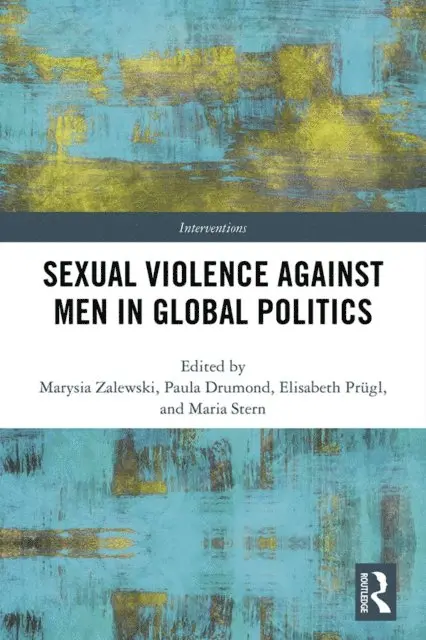
Sexual violence against men is an under-theorised and under-noticed topic, though it is becoming increasingly apparent that this form of violence is widespread. Yet despite emerging evidence documenting its incidence, especially in conflict and post-conflict zones, efforts to understand its causes and develop strategies to reduce it are hampered by a dearth of theoretical engagement. One of the reasons that might explain its empirical invisibility and theoretical vacuity is its complicated relationship with sexual violence against women. The latter is evident empirically, theoretically, and politically, but the relationship between these violences conjures a range of complex and controversial questions about the ways they might be different, and why and how these differences matter.
It is the case that sexual violence (when noticed at all) has historically been understood to happen largely, if not only, to women, allegedly because of their gender and their ensuing place in gender orders. This begs important questions regarding the impact of increasing knowledge about sexual violence against men, including the impact on resources, on understandings about, and experiences of masculinity, and whether the idea and practice of gender hierarchy is outdated. This book engages this diverse set of questions and offers fresh analysis on the incidences of sexual violence against men using both new and existing data. Additionally, the authors pay close attention to some of the controversial debates in the context of sexual violence against men, revisiting and asking new questions about the vexed issue of masculinities and related theories of gender hierarchy.
The book will be of great interest to students and scholars of sex, gender, masculinities, corporeality, violence, and global politics, as well as to practitioners and activists.

849 kr
Läs direkt efter köp
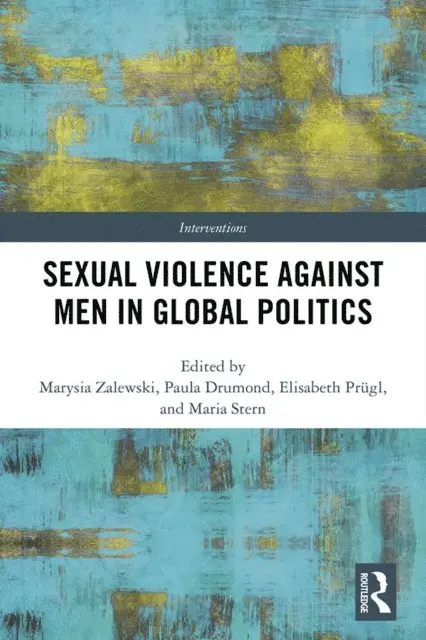
Sexual violence against men is an under-theorised and under-noticed topic, though it is becoming increasingly apparent that this form of violence is widespread. Yet despite emerging evidence documenting its incidence, especially in conflict and post-conflict zones, efforts to understand its causes and develop strategies to reduce it are hampered by a dearth of theoretical engagement. One of the reasons that might explain its empirical invisibility and theoretical vacuity is its complicated relationship with sexual violence against women. The latter is evident empirically, theoretically, and politically, but the relationship between these violences conjures a range of complex and controversial questions about the ways they might be different, and why and how these differences matter.
It is the case that sexual violence (when noticed at all) has historically been understood to happen largely, if not only, to women, allegedly because of their gender and their ensuing place in gender orders. This begs important questions regarding the impact of increasing knowledge about sexual violence against men, including the impact on resources, on understandings about, and experiences of masculinity, and whether the idea and practice of gender hierarchy is outdated. This book engages this diverse set of questions and offers fresh analysis on the incidences of sexual violence against men using both new and existing data. Additionally, the authors pay close attention to some of the controversial debates in the context of sexual violence against men, revisiting and asking new questions about the vexed issue of masculinities and related theories of gender hierarchy.
The book will be of great interest to students and scholars of sex, gender, masculinities, corporeality, violence, and global politics, as well as to practitioners and activists.
890 kr
Läs direkt efter köp
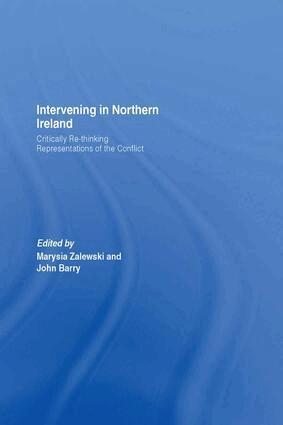
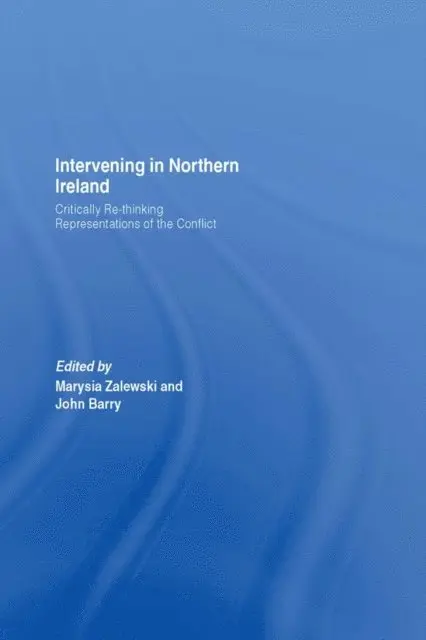
The articles in this special issue, drawn from a workshop hosted by the Institute of Governance, Queen’s University, Belfast, explicitly engage with and challenge conventional academic analyses in order to confront the ways in which the conflict on Northern Ireland has traditionally been represented and understood.
Part of the reason for adopting this approach is because it is suggested that to a certain extent, academic analyses have defined the parameters of the conflict which has necessarily had implications for the shape of ensuing solutions. A further claim is that the persistent historical and political search for causes and solutions may be constitutive of the problems that conventional analysts seek to resolve. The articles in the first part introduce and problematize traditional analyses of the conflict. Additionally, these essays explain alternative approaches offering other ways of thinking about how the ‘problem’ of Northern Ireland has been constituted. The second part comprises empirically focused essays, each either engaging with or confronting the issue of the liberal hegemony that defines most analyses of the conflict. The final essay returns to more explicitly re-consider how the ‘problem’ of Northern Ireland has been theorized, represented and understood.
This book was previously published as a special issue of Critical Review of International Social and Political Philosophy.
903 kr
Läs direkt efter köp
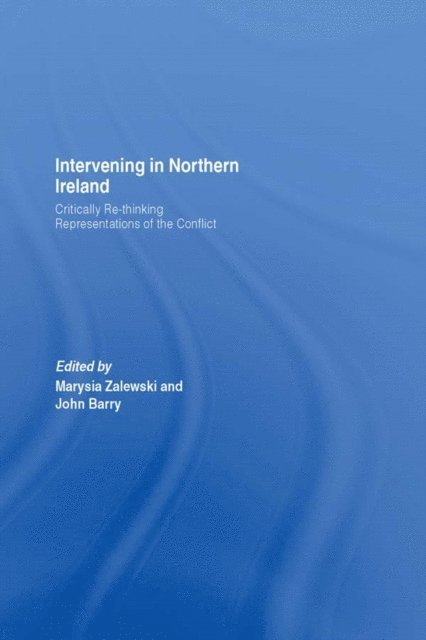
The articles in this special issue, drawn from a workshop hosted by the Institute of Governance, Queen’s University, Belfast, explicitly engage with and challenge conventional academic analyses in order to confront the ways in which the conflict on Northern Ireland has traditionally been represented and understood.
Part of the reason for adopting this approach is because it is suggested that to a certain extent, academic analyses have defined the parameters of the conflict which has necessarily had implications for the shape of ensuing solutions. A further claim is that the persistent historical and political search for causes and solutions may be constitutive of the problems that conventional analysts seek to resolve. The articles in the first part introduce and problematize traditional analyses of the conflict. Additionally, these essays explain alternative approaches offering other ways of thinking about how the ‘problem’ of Northern Ireland has been constituted. The second part comprises empirically focused essays, each either engaging with or confronting the issue of the liberal hegemony that defines most analyses of the conflict. The final essay returns to more explicitly re-consider how the ‘problem’ of Northern Ireland has been theorized, represented and understood.
This book was previously published as a special issue of Critical Review of International Social and Political Philosophy.
1 465 kr
Skickas inom 10-15 vardagar
591 kr
Skickas inom 10-15 vardagar
645 kr
Läs direkt efter köp
1 344 kr
Skickas inom 10-15 vardagar
514 kr
Skickas inom 10-15 vardagar
557 kr
Läs direkt efter köp
460 kr
Skickas inom 10-15 vardagar