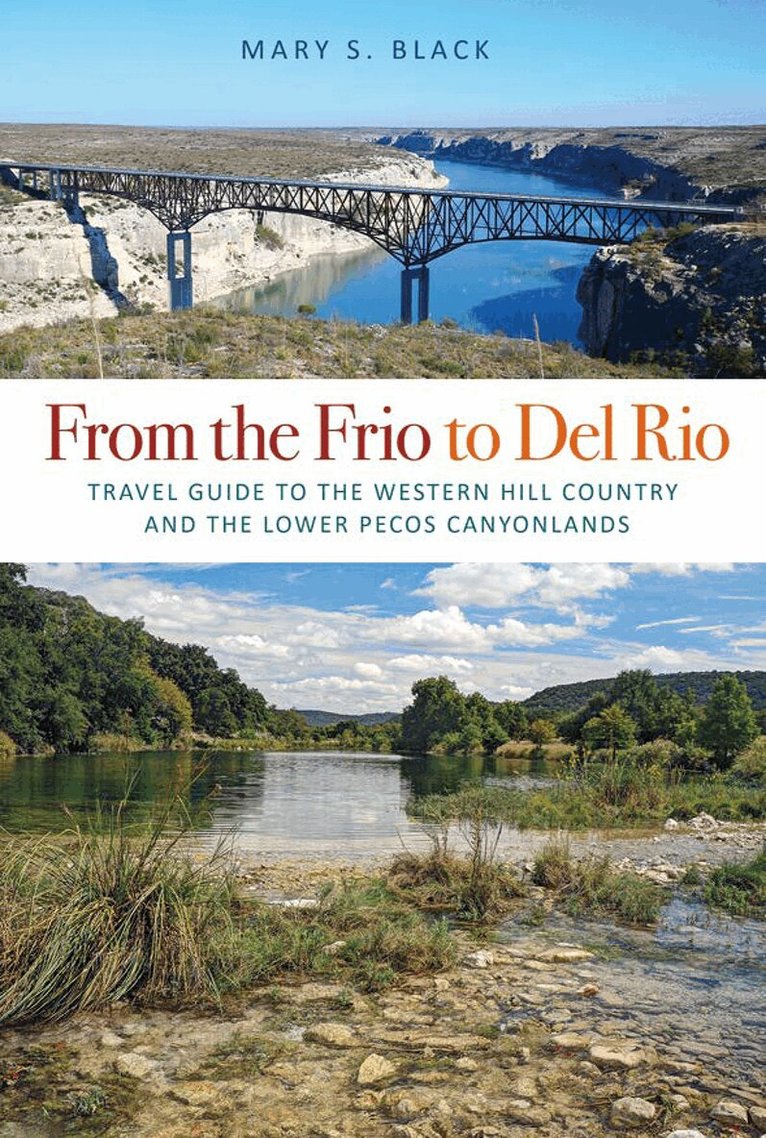
Each year, more than two million visitors enjoy the attractions of the Western Hill Country, with Uvalde as its portal, and the lower Pecos River canyonlands, which stretch roughly along US 90 from Brackettville, through Del Rio, and on to the west. Amistad National Recreation Area, the Judge Roy Bean Visitors’ Center and Botanical Garden, Seminole Canyon State Park, and the Briscoe-Garner Museum in Uvalde, along with ghost towns, ancient rock art, sweeping vistas, and unique flora and fauna, are just a few of the features that make this distinctive section of the Lone Star State an enticing destination.Now, veteran writer, blogger, and educator Mary S. Black serves up the best of this region’s special adventures and secret treasures. From the Frio to Del Rio is chock-full of helpful maps, engaging descriptions of points of interest, colorful photography, and tips on where to stay, what to do, and how to get there. There’s even a trivia quiz to keep travelers entertained and informed while en route. This guide to what could be called the Texas “Hill Country–Desert Trail” is your indispensable travel companion for unforgettable discoveries in wide open spaces.
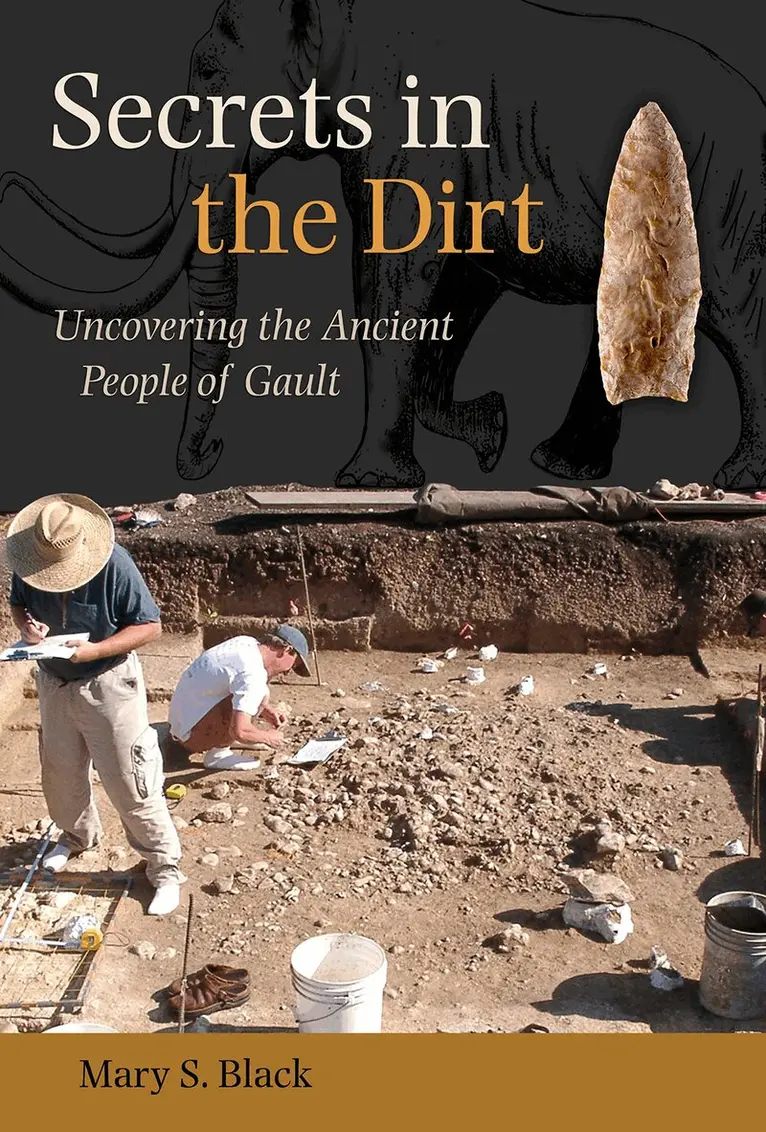
The Gault archaeological complex, located in Central Texas, is one of the most important and extensive sites for the study of Clovis culture in North America, commonly dated between 11,000 and 13,500 years ago. Indeed, according to author Mary S. Black, recent discoveries at the site by veteran archaeologist Michael Collins may suggest that Texas has been a good place for people to live for as much as 20,000 years.Secrets in the Dirt examines this important site and highlights the significant archaeological research that has been carried out there since its discovery in 1929. In 2007, Collins, who has been working at the Gault site since 1998, and his colleagues discovered an unusual stone tool assemblage that predated Clovis, suggesting the possibility that they were made by some of the earliest inhabitants in the Americas. Black provides a reader-friendly account of how these and many other artifacts were uncovered and what they may represent. She also offers absorbing vignettes, extrapolated from the painstaking research of Collins and others, that portray some of the ways these early Americans may have adapted to the location, its resources, and to one another, thousands of years before Europeans arrived.This generously illustrated, engaging book introduces readers to the Gault site, its fascinating prehistory, and the important research that continues to uncover even more secrets in the dirt.