403 kr
Skickas inom 7-10 vardagar
403 kr
Skickas inom 7-10 vardagar
404 kr
Skickas inom 10-15 vardagar
270 kr
Läs direkt efter köp
336 kr
Läs direkt efter köp
220 kr
Läs direkt efter köp
334 kr
Läs direkt efter köp
301 kr
Skickas inom 7-10 vardagar
292 kr
Skickas inom 7-10 vardagar
412 kr
Läs direkt efter köp
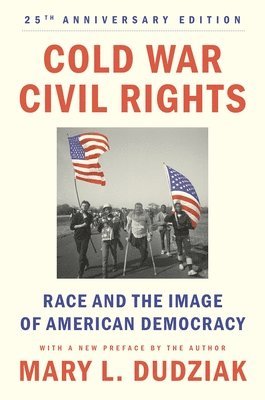
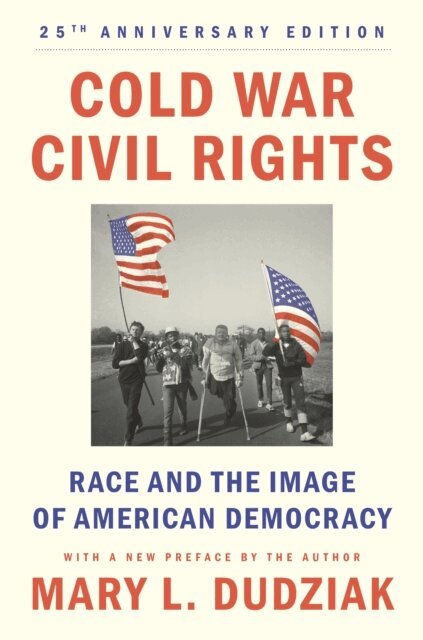
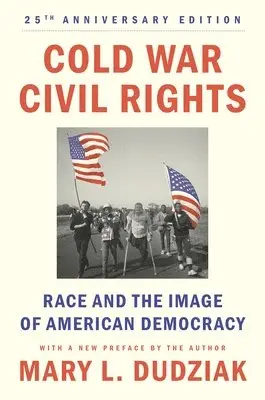
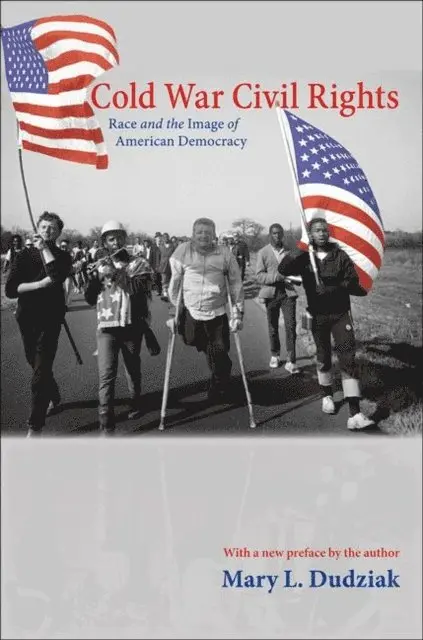
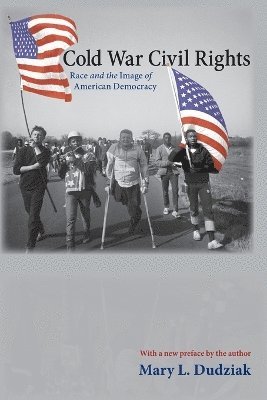
A Choice Outstanding Academic Title of the YearHow the fight for civil rights in America became an important front in the Cold WarIn 1958, an African American handyman named Jimmy Wilson was sentenced to die in Alabama for stealing less than two dollars. Shocking as this sentence was, it was overturned only after intense international attention and the interference of Secretary of State John Foster Dulles. Soon after World War II, American racism became a major concern of US allies, a chief Soviet propaganda theme, and an obstacle to American Cold War goals throughout Africa, Asia, and Latin America. Racial segregation undermined the American image, harming foreign relations in every administration from Truman to Johnson. Mary Dudziak shows how the Cold War helped to facilitate desegregation and other key social reforms at home as the United States sought to polish its image abroad, yet how a focus on appearances over substance limited the nature and extent of progress. Cold War Civil Rights situates the Cold War in civil rights history while giving an international perspective to the fight for racial justice in America.
861 kr
Skickas inom 7-10 vardagar
1 268 kr
Skickas inom 7-10 vardagar
438 kr
Skickas inom 7-10 vardagar
453 kr
Läs direkt efter köp
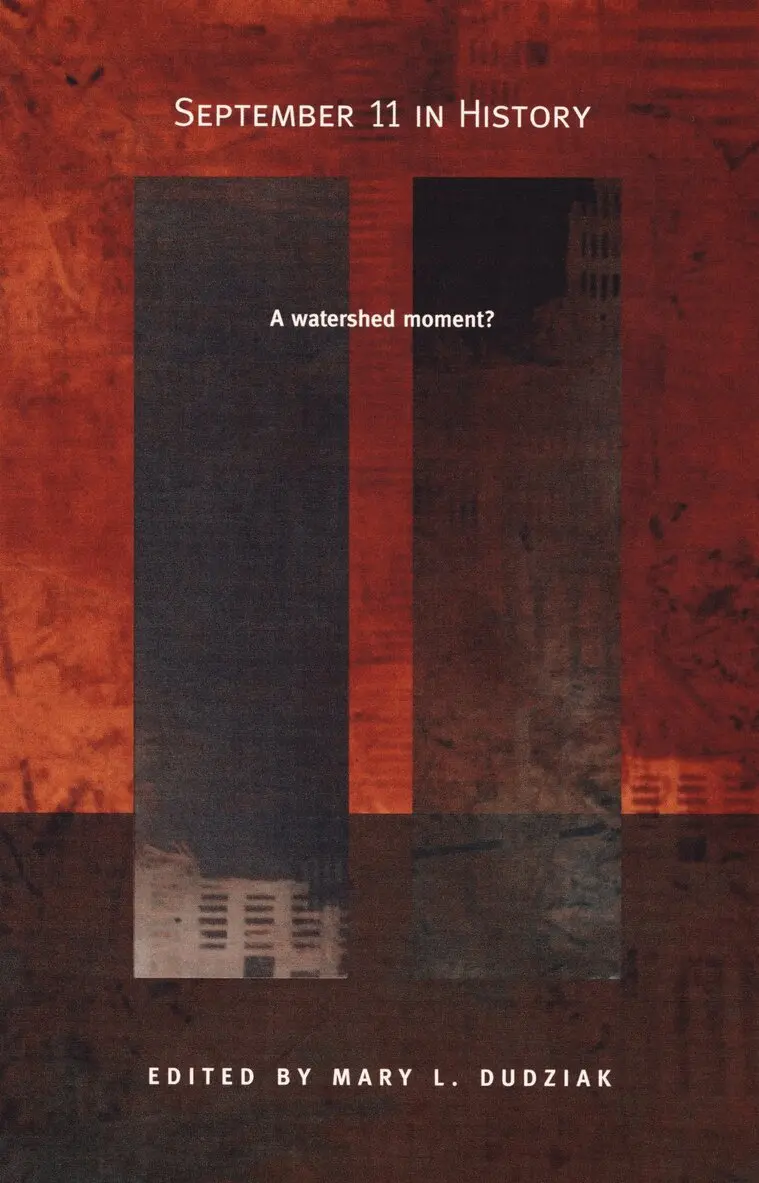
From a variety of perspectives, the contributors to this collection scrutinize claims about September 11, in terms of both their historical validity and their consequences. Essays range from an analysis of terms like “ground zero,” “homeland,” and “the axis of evil” to an argument that the U.S. naval base at Guantánamo Bay has become a site for acting out a repressed imperial history. Examining the effect of the attacks on Islamic self-identity, one contributor argues that Osama bin Laden enacted an interpretation of Islam on September 11 and asserts that progressive Muslims must respond to it. Other essays focus on the deployment of Orientalist tropes in categorizations of those who “look Middle Eastern,” the blurring of domestic and international law evident in a number of legal developments including the use of military tribunals to prosecute suspected terrorists, and the justifications for and consequences of American unilateralism. This collection ultimately reveals that everything did not change on September 11, 2001, but that some foundations of democratic legitimacy have been significantly eroded by claims that it did.
ContributorsKhaled Abou el FadlMary L. DudziakChristopher L. EisgruberLaurence R. HelferSherman A. JacksonAmy B. KaplanElaine Tyler MayLawrence G. SagerRuti G. TeitelLeti VolppMarilyn B. Young
409 kr
Läs direkt efter köp
In 1958, an African-American handyman named Jimmy Wilson was sentenced to die in Alabama for stealing two dollars. Shocking as this sentence was, it was overturned only after intense international attention and the interference of an embarrassed John Foster Dulles. Soon after the United States'' segregated military defeated a racist regime in World War II, American racism was a major concern of U.S. allies, a chief Soviet propaganda theme, and an obstacle to American Cold War goals throughout Africa, Asia, and Latin America. Each lynching harmed foreign relations, and "the Negro problem" became a central issue in every administration from Truman to Johnson. In what may be the best analysis of how international relations affected any domestic issue, Mary Dudziak interprets postwar civil rights as a Cold War feature. She argues that the Cold War helped facilitate key social reforms, including desegregation. Civil rights activists gained tremendous advantage as the government sought to polish its international image. But improving the nation''s reputation did not always require real change. This focus on image rather than substance--combined with constraints on McCarthy-era political activism and the triumph of law-and-order rhetoric--limited the nature and extent of progress. Archival information, much of it newly available, supports Dudziak''s argument that civil rights was Cold War policy. But the story is also one of people: an African-American veteran of World War II lynched in Georgia; an attorney general flooded by civil rights petitions from abroad; the teenagers who desegregated Little Rock''s Central High; African diplomats denied restaurant service; black artists living in Europe and supporting the civil rights movement from overseas; conservative politicians viewing desegregation as a communist plot; and civil rights leaders who saw their struggle eclipsed by Vietnam. Never before has any scholar so directly connected civil rights and the Cold War. Contributing mightily to our understanding of both, Dudziak advances--in clear and lively prose--a new wave of scholarship that corrects isolationist tendencies in American history by applying an international perspective to domestic affairs. In her new preface, Dudziak discusses the way the Cold War figures into civil rights history, and details this book''s origins, as one question about civil rights could not be answered without broadening her research from domestic to international influences on American history.
360 kr
Läs direkt efter köp
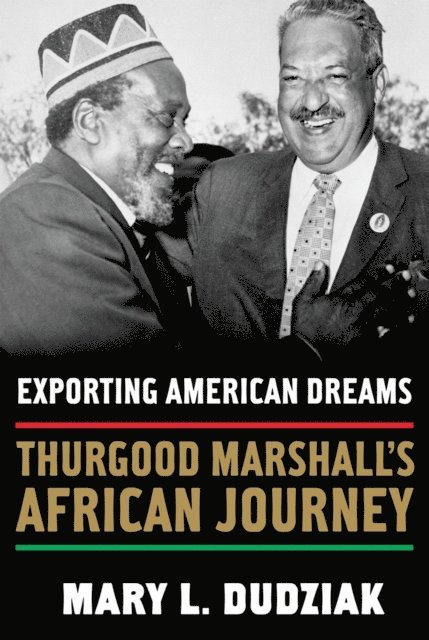
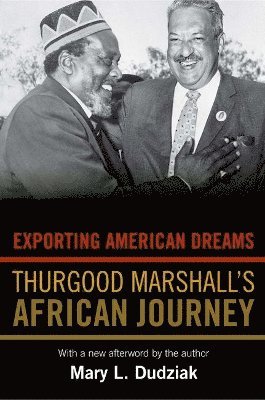
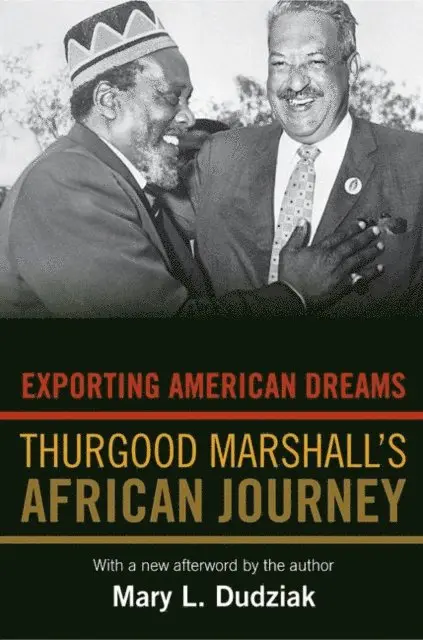
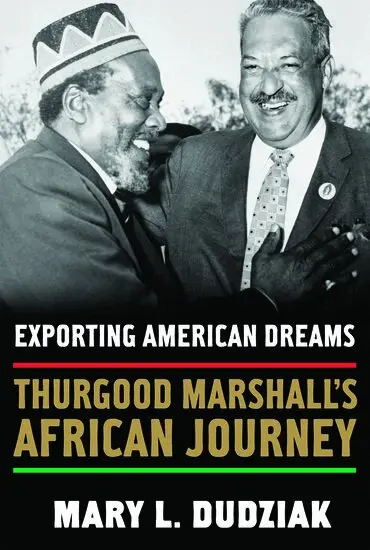
Mary Dudziak''s Exporting American Dreams tells the little-known story of Thurgood Marshall''s work with Kenyan leaders as they fought with the British for independence in the early 1960s. Not long after he led the legal team in Brown v. Board of Education, Marshall aided Kenya''s constitutional negotiations, as adversaries battled over rights and land--not with weapons, but with legal arguments. Set in the context of Marshall''s civil rights work in the United States, this transnational history sheds light on legal reform and social change in the midst of violent upheavals in Africa and America. While the struggle for rights on both continents played out on a global stage, it was a deeply personal journey for Marshall. Even as his belief in the equalizing power of law was challenged during his career as a Supreme Court justice, and in Kenya the new government sacrificed the rights he cherished, Kenya''s founding moment remained for him a time and place when all things had seemed possible.
369 kr
Skickas inom 7-10 vardagar
1 051 kr
Skickas inom 7-10 vardagar
299 kr
Tillfälligt slut
274 kr
Tillfälligt slut