707 kr
Skickas inom 10-15 vardagar
707 kr
Skickas inom 10-15 vardagar
2 515 kr
Skickas inom 10-15 vardagar
745 kr
Läs direkt efter köp
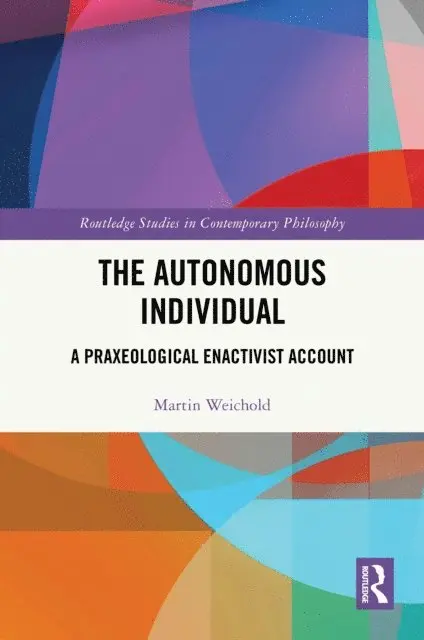
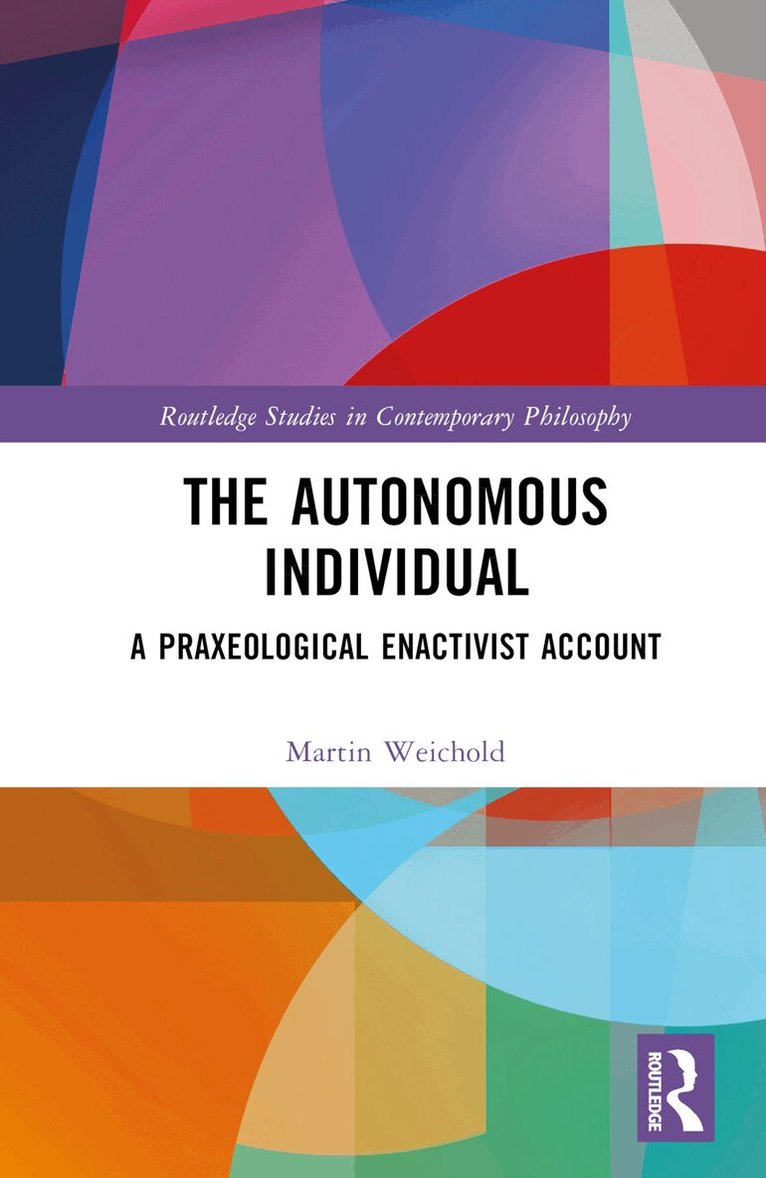
This book advances a new theory of what it means to be an autonomous individual with free will and an authentic self. It synthesizes the new “action turn†from 4E cognitive science with the new “practice turn†from the social sciences to develop a new perspective on our self-interpretation as autonomous individuals.
Our entire life is built upon one central foundation: the idea that we human beings are autonomous individuals. While this idea is presupposed in some academic fields, such as law and moral philosophy, it is challenged or denied in others. This book aims to move beyond debates about whether free will exists. Instead, it proposes that the idea that human beings are autonomous individuals is a culturally developed self-interpretation that is permanently enacted in social practices. Parts of it describe biological reality correctly, parts are social reality, and parts are mere fictions. This view – which the author calls "praxeological enactivism" – combines work from enactive cognitive science with practice theory from the social sciences. The book concludes by discussing the ethical advantages and dangers of the idea of the autonomous individual.
The Autonomous Individual will appeal to philosophers working on free will and autonomy, moral philosophy, and philosophy of social sciences, as well as scholars and advanced students in disciplines such as cognitive science, sociology, cultural theory, and philosophical anthropology.
740 kr
Läs direkt efter köp
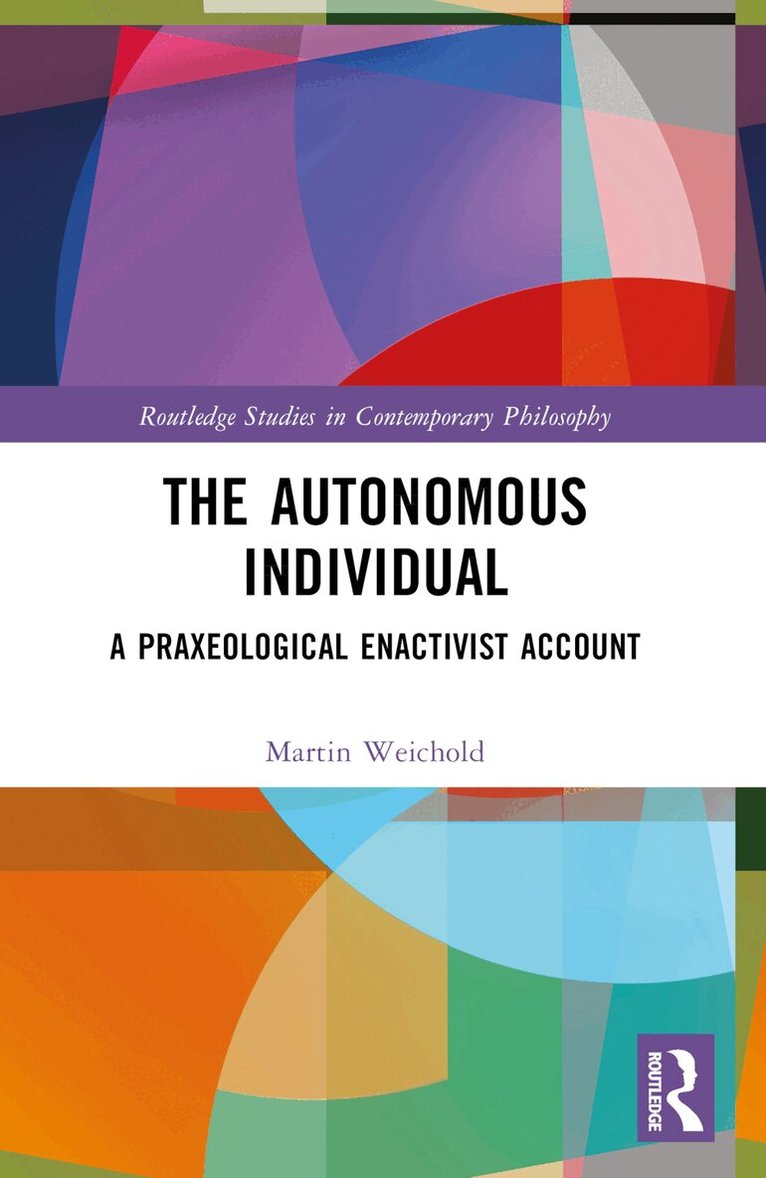
This book advances a new theory of what it means to be an autonomous individual with free will and an authentic self. It synthesizes the new “action turn†from 4E cognitive science with the new “practice turn†from the social sciences to develop a new perspective on our self-interpretation as autonomous individuals.
Our entire life is built upon one central foundation: the idea that we human beings are autonomous individuals. While this idea is presupposed in some academic fields, such as law and moral philosophy, it is challenged or denied in others. This book aims to move beyond debates about whether free will exists. Instead, it proposes that the idea that human beings are autonomous individuals is a culturally developed self-interpretation that is permanently enacted in social practices. Parts of it describe biological reality correctly, parts are social reality, and parts are mere fictions. This view – which the author calls "praxeological enactivism" – combines work from enactive cognitive science with practice theory from the social sciences. The book concludes by discussing the ethical advantages and dangers of the idea of the autonomous individual.
The Autonomous Individual will appeal to philosophers working on free will and autonomy, moral philosophy, and philosophy of social sciences, as well as scholars and advanced students in disciplines such as cognitive science, sociology, cultural theory, and philosophical anthropology.
745 kr
Läs direkt efter köp
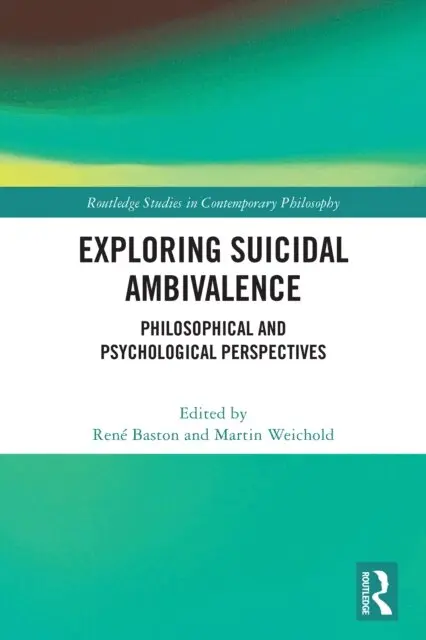
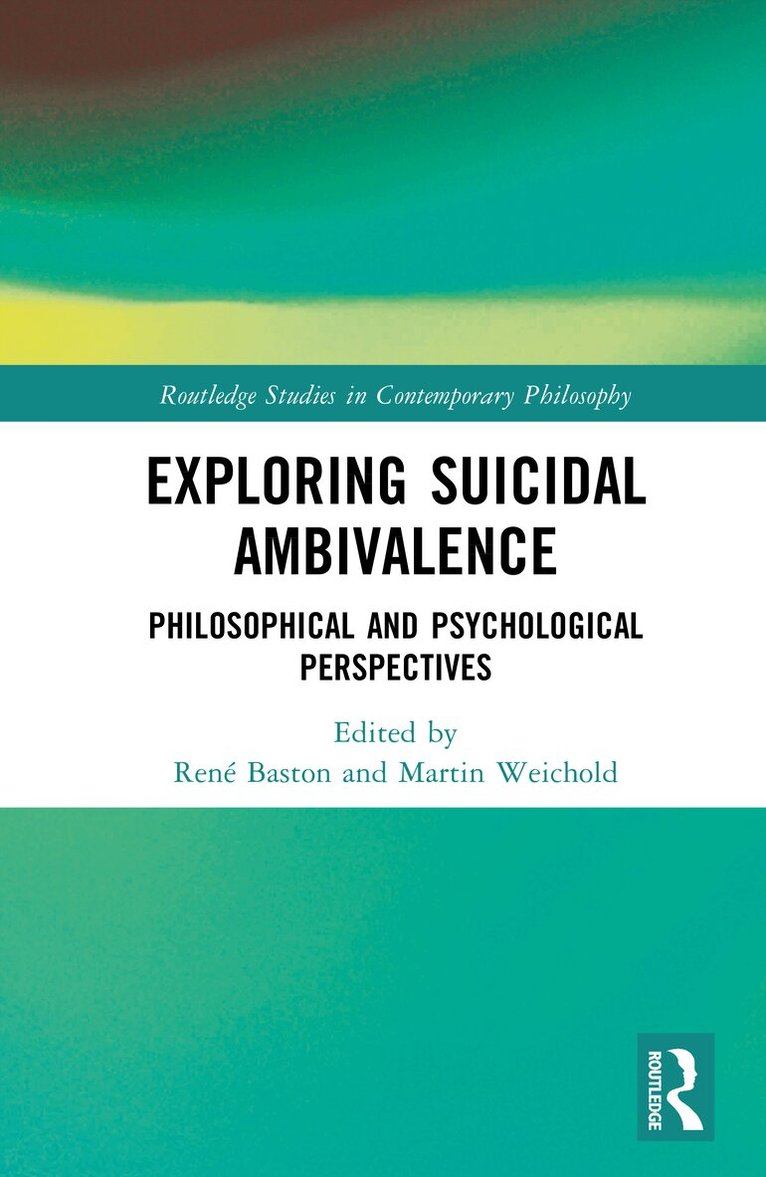
This volume offers a comprehensive interdisciplinary exploration of ambivalence in suicidal agency, a phenomenon that, despite its significance in clinical psychology, remains under-conceptualized.
Philosophers debate what ambivalence amounts to and whether ambivalence undermines practical rationality and agency, yet this discourse has rarely been applied to suicidal ambivalence. This volume examines the structural features of ambivalence in suicidal individuals, focusing, among other things, on the conflicting desires to end one''s life versus the desire to live. By analyzing these opposing mental states, it clarifies the psychological and philosophical dimensions of ambivalence and its impact on the transition from suicidal ideation to action. Additionally, it critically evaluates whether ambivalence reflects diminished rationality and whether suicidal ambivalence potentially justifies paternalistic interventions. Bridging psychology and philosophy, this volume provides a nuanced understanding of ambivalence in suicidal agency, with significant implications for clinical practice and ethical decision-making.
Exploring Suicidal Ambivalence will appeal to researchers and graduate students working in philosophy of mind, philosophy of psychology, clinical psychology, medical ethics, and psychiatry.
2 515 kr
Skickas inom 10-15 vardagar
1 791 kr
Skickas inom 7-10 vardagar
Das meiste, was wir Menschen tun, tun wir unreflektiert: Ob wir zielsicher die Türklinke beim Betreten eines Raumes ergreifen, mühelos den sozial angemessenen Abstand während eines Gesprächs einhalten oder spontan auf eine Person in Not zustürzen – überlegen oder bewusste Absichten fassen müssen wir dafür nicht. Doch zugleich verbirgt sich in diesem unreflektierten Handeln Beeindruckendes: eine ungeahnte Intelligenz und Rationalität des Alltäglichen. Dabei stellt sich in Bezug auf die Natur dieses Handelns eine Vielzahl von Problemen: Lässt sich unreflektiertes Handeln überhaupt erhellend mit Hilfe traditioneller volkspsychologischer Begriffe wie „Absicht“, „Wunsch“ oder „Überzeugung“ analysieren? Und sind Menschen auch für ihr unreflektiertes Handeln verantwortlich, wenn sie nicht mit ihren bewussten Absichten dahinterstehen? Zur überzeugenden Beantwortung dieser Fragen unternimmt diese Untersuchung eine grundlegende Neu-Konzeptualisierung menschlichen Handelns. Entsprechend ist sie nicht nur für die Philosophie des Geistes und Handelns von großer Relevanz, sondern auch für die begrifflichen Grundlagen von Psychologie und Kognitionswissenschaften.
1 799 kr
Läs direkt efter köp
Das meiste, was wir Menschen tun, tun wir unreflektiert: Ob wir zielsicher die Türklinke beim Betreten eines Raumes ergreifen, mühelos den sozial angemessenen Abstand während eines Gesprächs einhalten oder spontan auf eine Person in Not zustürzen – überlegen oder bewusste Absichten fassen müssen wir dafür nicht. Doch zugleich verbirgt sich in diesem unreflektierten Handeln Beeindruckendes: eine ungeahnte Intelligenz und Rationalität des Alltäglichen. Dabei stellt sich in Bezug auf die Natur dieses Handelns eine Vielzahl von Problemen: Lässt sich unreflektiertes Handeln überhaupt erhellend mit Hilfe traditioneller volkspsychologischer Begriffe wie „Absicht“, „Wunsch“ oder „Überzeugung“ analysieren? Und sind Menschen auch für ihr unreflektiertes Handeln verantwortlich, wenn sie nicht mit ihren bewussten Absichten dahinterstehen? Zur überzeugenden Beantwortung dieser Fragen unternimmt diese Untersuchung eine grundlegende Neu-Konzeptualisierung menschlichen Handelns. Entsprechend ist sie nicht nur für die Philosophie des Geistes und Handelns von großer Relevanz, sondern auch für die begrifflichen Grundlagen von Psychologie und Kognitionswissenschaften.
640 kr
Läs direkt efter köp