238 kr
Skickas
238 kr
Skickas
211 kr
Skickas inom 7-10 vardagar
150 kr
Skickas inom 7-10 vardagar
204 kr
348 kr
Skickas inom 7-10 vardagar
187 kr
Skickas inom 5-8 vardagar
515 kr
Skickas inom 5-8 vardagar
OUP OXFORD
458 kr
Skickas inom 5-8 vardagar
1 095 kr
Skickas inom 10-15 vardagar
1 095 kr
Skickas inom 10-15 vardagar
2 526 kr
Skickas inom 10-15 vardagar
1 342 kr
Skickas inom 7-10 vardagar
563 kr
Skickas inom 3-6 vardagar
Globality as an Unfinished Revolution
1 563 kr
Skickas inom 7-10 vardagar
Globality as an Unfinished Revolution
557 kr
Skickas inom 7-10 vardagar
325 kr
Skickas inom 7-10 vardagar
938 kr
Skickas inom 7-10 vardagar
334 kr
Skickas inom 7-10 vardagar
292 kr
Skickas inom 7-10 vardagar
292 kr
Skickas inom 7-10 vardagar
801 kr
Skickas inom 7-10 vardagar
267 kr
Skickas inom 7-10 vardagar
300 kr
Läs direkt efter köp
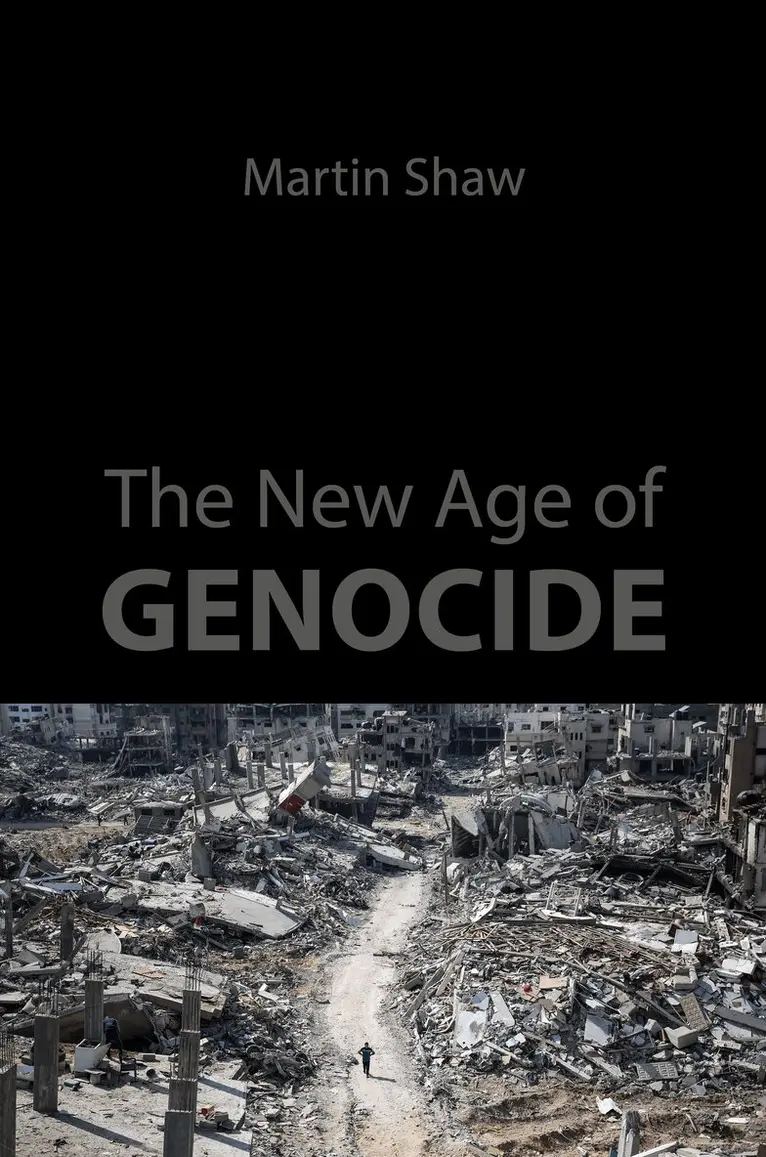
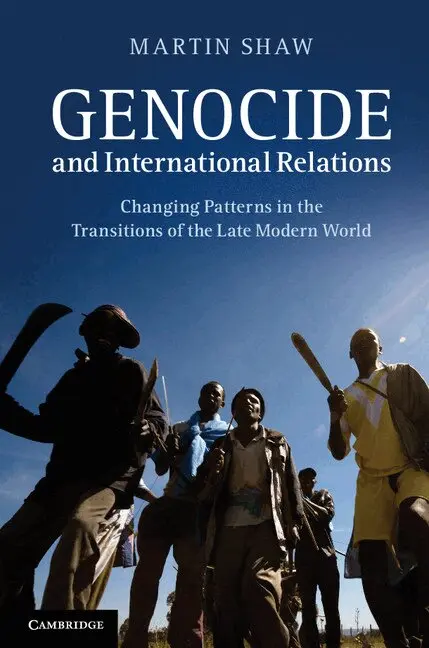
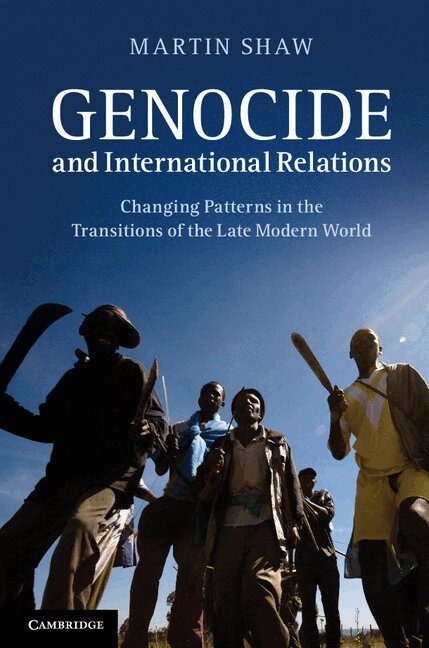
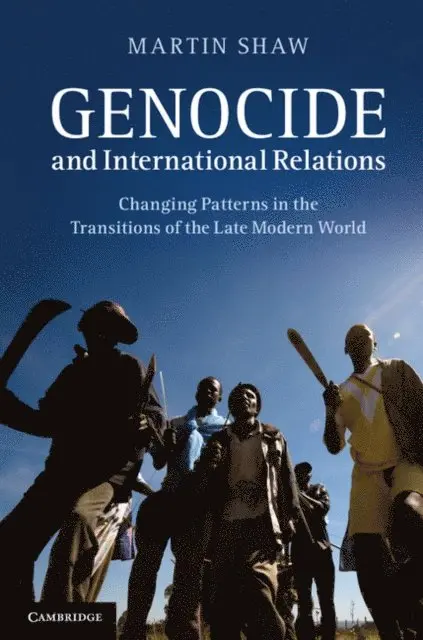
This fully revised edition of Martin Shaw’s classic, award-winning text proposes a way through the intellectual confusion surrounding genocide. In a thorough account of the idea’s history, Shaw considers its origins and development and its relationships to concepts like ethnic cleansing and politicide. Offering a radical critique of the existing literature on genocide, he argues that what distinguishes genocide from more legitimate warfare is that the ‘enemies’ targeted are groups and individuals of a civilian character. He vividly illustrates his argument with a wide range of historical examples - from the Holocaust to Rwanda and Palestine to Yugoslavia - and shows how the question ‘What is genocide?’ matters politically whenever populations are threatened by violence.
The second edition of this compelling book will continue to spark interest and vigorous debate, appealing to students and scholars across the social sciences and in international law.
317 kr
Läs direkt efter köp
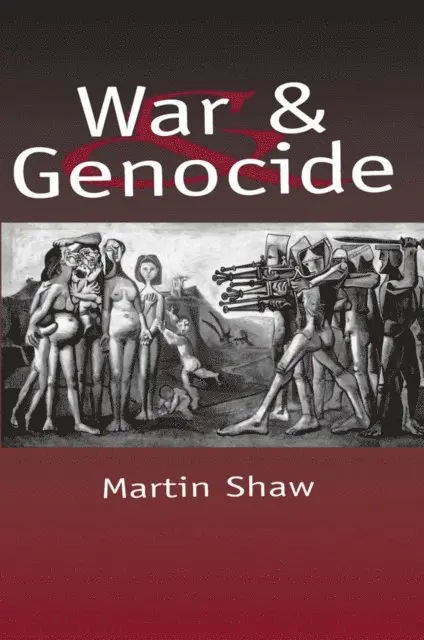
Most accounts of war and genocide treat them as separate phenomena. This book thoroughly examines the links between these two most inhuman of human activities. It shows that the generally legitimate business of war and the monstrous crime of genocide are closely related. This is not just because genocide usually occurs in the midst of war, but because genocide is a form of war directed against civilian populations. The book shows how fine the line has been, in modern history, between ‘degenerate war’ involving the mass destruction of civilian populations, and ‘genocide’, the deliberate destruction of civilian groups as such.
Written by one of the foremost sociological writers on war, War and Genocide has four main features:
an original argument about the meaning and causes of mass killing in the modern world; a guide to the main intellectual resources – military, political and social theories – necessary to understand war and genocide; summaries of the main historical episodes of slaughter, from the trenches of the First World War to the Nazi Holocaust and the killing fields of Cambodia, Bosnia and Rwanda; practical guides to further reading, courses and websites.This book examines war and genocide together with their opposites, peace and justice. It looks at them from the standpoint of victims as well as perpetrators. It is an important book for anyone wanting to understand – and overcome – the continuing salience of destructive forces in modern society.
484 kr
Skickas inom 7-10 vardagar
385 kr
Skickas inom 7-10 vardagar
190 kr
Skickas inom 7-10 vardagar
440 kr
Läs direkt efter köp
440 kr
Läs direkt efter köp
864 kr
Läs direkt efter köp
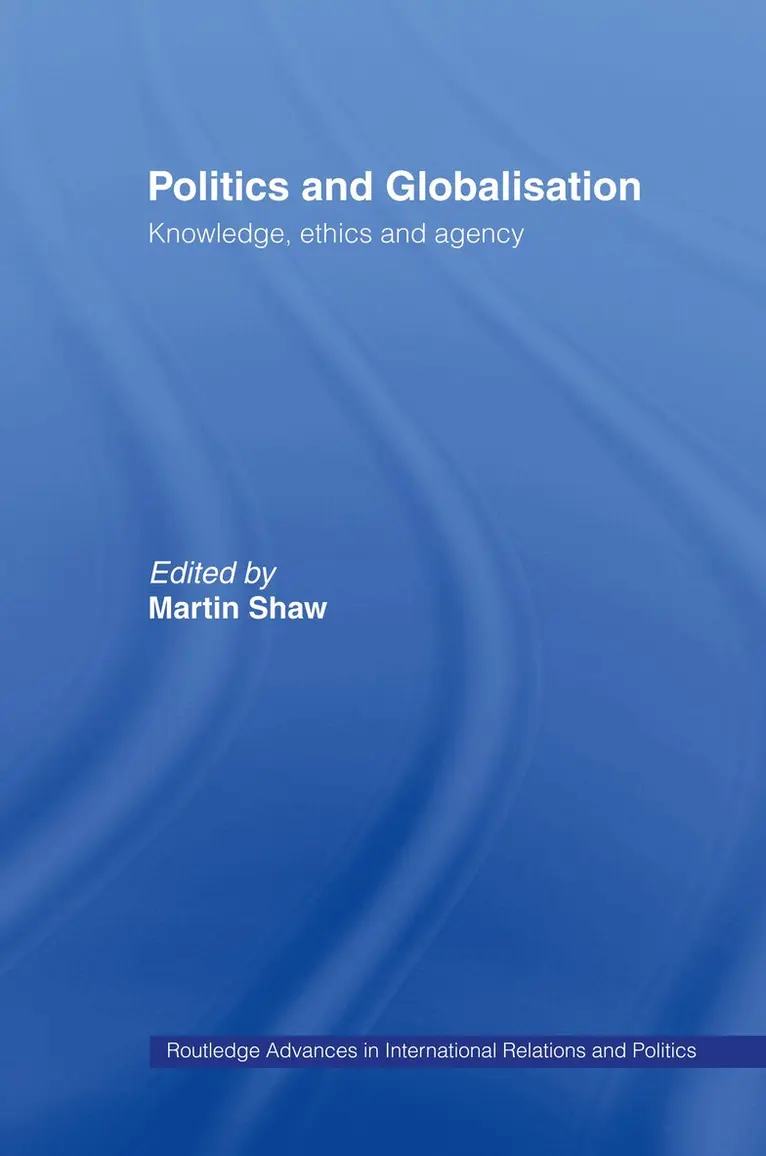
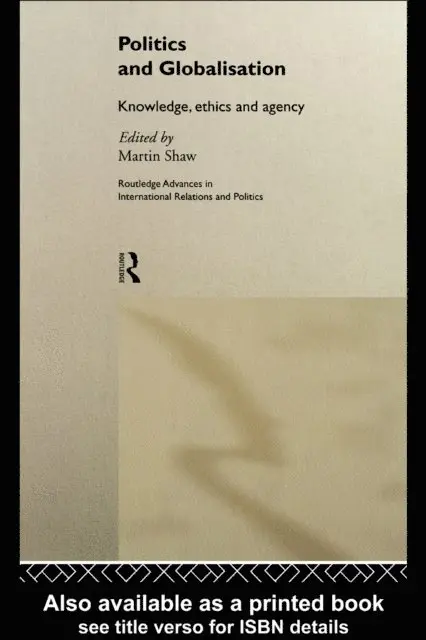
Globalisation is widely understood as a set of processes driven by technological, economic and cultural change. Few have successfully defined the changing character and role of politics in global change. Political institutions such as the nation-state have been seen as undermined by globalisation, or needing to respond to it. This book clarifies the tensions which global change has provoked in our understanding of politics. Politics and Globalisation suggests that globalisation is a process which is politically contested and even politically constituted. The volume presents five key intellectual and political contests in globalisation: · the extent and political significance of globalising changes in economy and society · how and how far the relations and forms of nation-state organisation are transformed · whether the given concepts and methods of political science as a discipline can be applied to global and regional politics, and whether they require radical reformulation; · the role and significance of ethical questions in global change · whether global change is constituted by, or denies, radical political agency