456 kr
Skickas
456 kr
Skickas
1 028 kr
390 kr
Skickas inom 7-10 vardagar
283 kr
Skickas
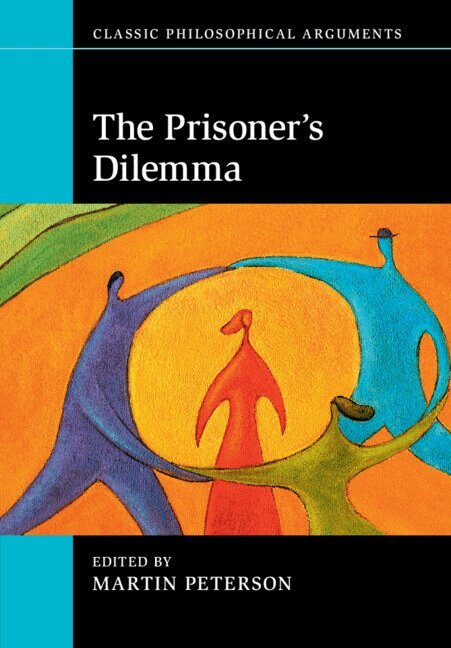
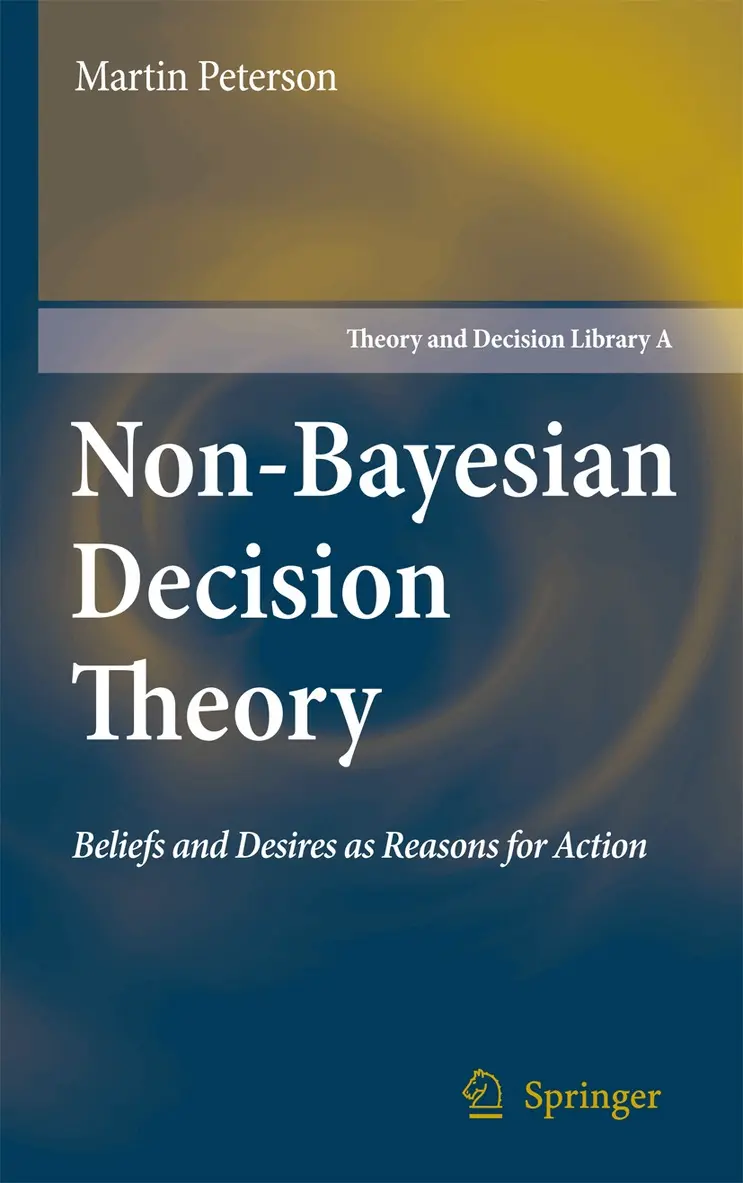
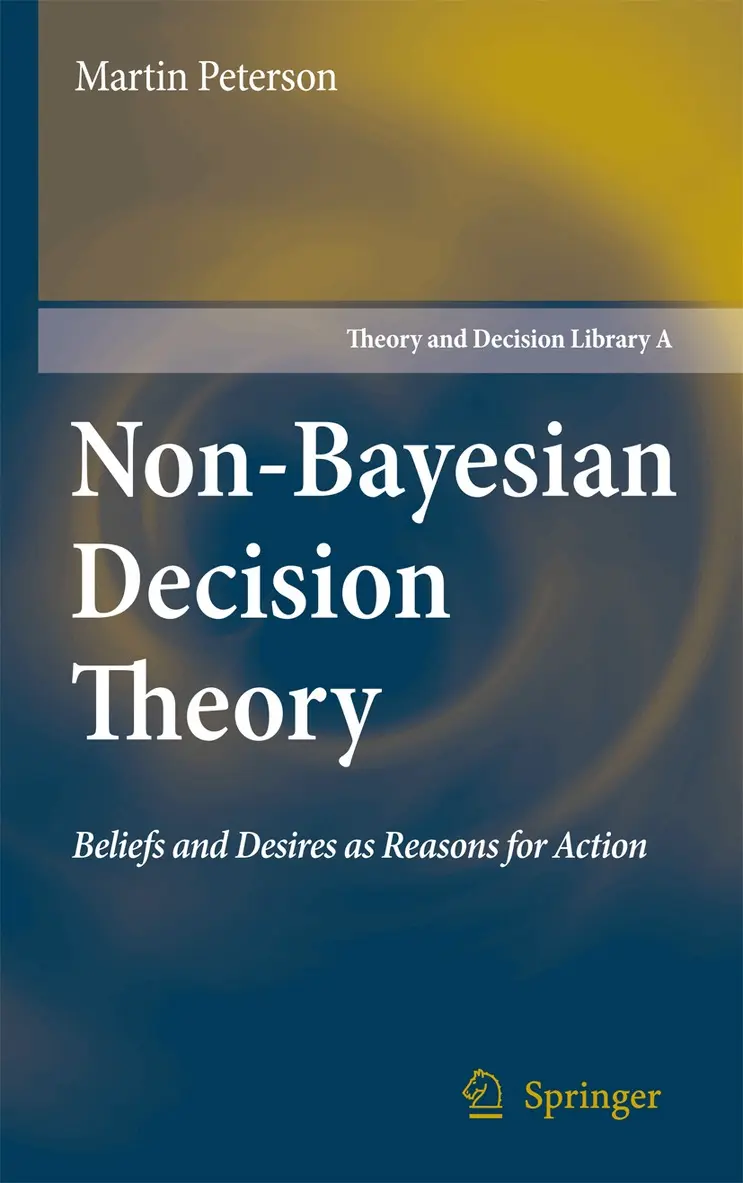
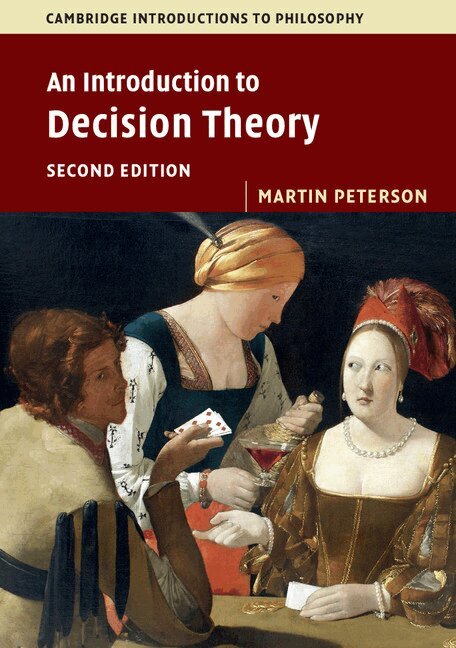
Should decisions be based on knowledge, defined—as Plato proposed—as true and justified beliefs? In a multicultural society there are frequently different and diverging views about what we know. Our choices are influenced by the alternatives we see, how they are described, and how we suppose that their consequences will affect us and our descendants. If we want to be able to predict preferences, we need to understand the importance of how the problems are presented and how our minds work.
The idea that the rational individual maximizes his or her expected utility when making a decision—derived from Frank Ramsey’s essay ‘Truth and probability’, published in 1931—is an important point of departure in this collection of essays. It comprises case studies of difficult decision-making when faced with challenges, such as nuclear strategy, the climate crisis and care of extremely preterm-born children, as well as perspectives on philosophical issues raised by making rational decisions.
42 kr
Läs direkt efter köp
1 720 kr
Skickas inom 7-10 vardagar
1 100 kr
Läs direkt efter köp
1 093 kr
Läs direkt efter köp
750 kr
Kommande
727 kr
Läs direkt efter köp
1 569 kr
Skickas inom 3-6 vardagar
971 kr
Skickas inom 7-10 vardagar
1 434 kr
Skickas inom 7-10 vardagar
1 219 kr
Skickas inom 7-10 vardagar
565 kr
Skickas inom 7-10 vardagar
447 kr
Skickas
472 kr
Läs direkt efter köp
482 kr
Läs direkt efter köp
473 kr
Läs direkt efter köp
473 kr
Läs direkt efter köp
1 090 kr
Skickas inom 10-15 vardagar
1 459 kr
Läs direkt efter köp
Beliefs and Desires as Reasons for Action
1 095 kr
Skickas inom 10-15 vardagar
Springer
10 082 kr
Skickas inom 10-15 vardagar
11 439 kr
Läs direkt efter köp
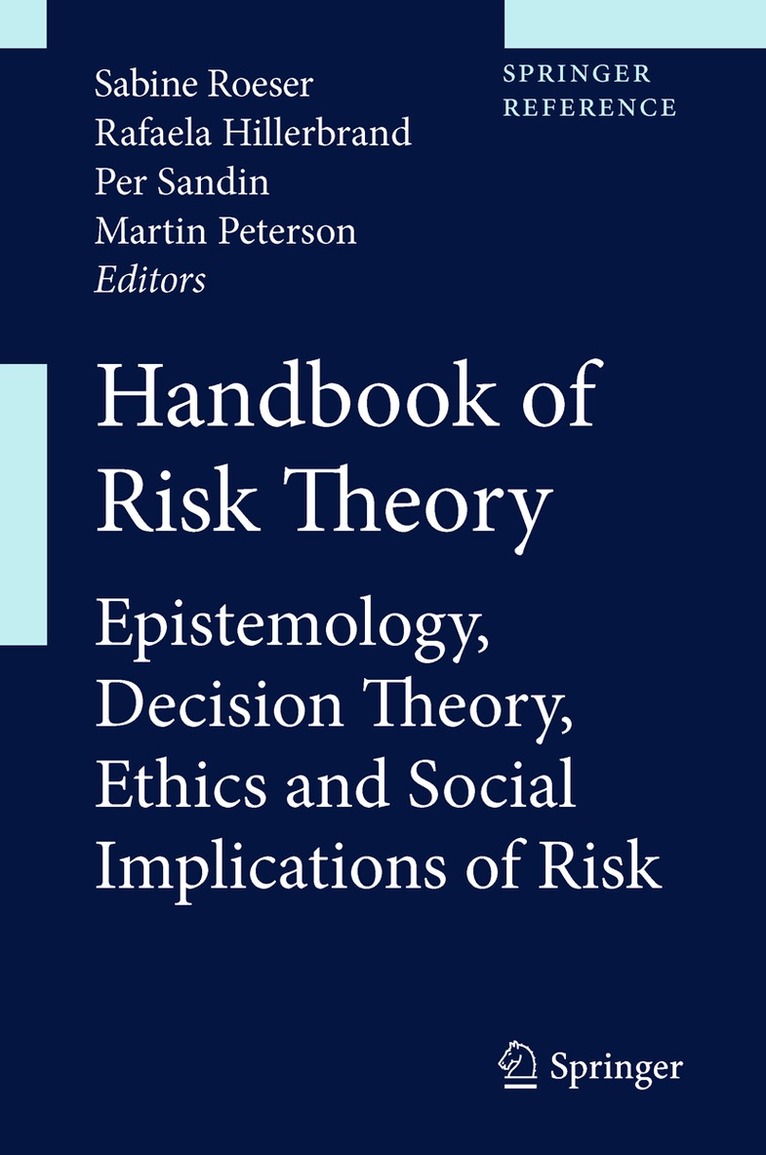
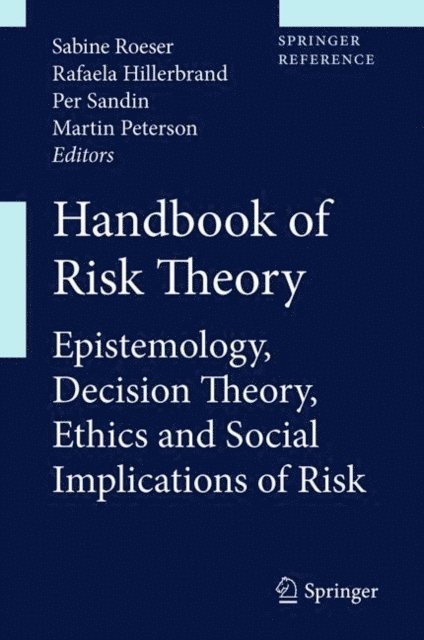
Risk has become one of the main topics in fields as diverse as engineering, medicine and economics, and it is also studied by social scientists, psychologists and legal scholars. But the topic of risk also leads to more fundamental questions such as: What is risk? What can decision theory contribute to the analysis of risk? What does the human perception of risk mean for society? How should we judge whether a risk is morally acceptable or not? Over the last couple of decades questions like these have attracted interest from philosophers and other scholars into risk theory.
This handbook provides for an overview into key topics in a major new field of research. It addresses a wide range of topics, ranging from decision theory, risk perception to ethics and social implications of risk, and it also addresses specific case studies. It aims to promote communication and information among all those who are interested in theoetical issues concerning risk and uncertainty.
This handbook brings together internationally leading philosophers and scholars from other disciplines who work on risk theory. The contributions are accessibly written and highly relevant to issues that are studied by risk scholars. We hope that the Handbook of Risk Theory will be a helpful starting point for all risk scholars who are interested in broadening and deepening their current perspectives.
603 kr
Skickas inom 10-15 vardagar
815 kr
Läs direkt efter köp