E-bok
PDF, Engelska, 19961 711 kr
Läs direkt efter köp
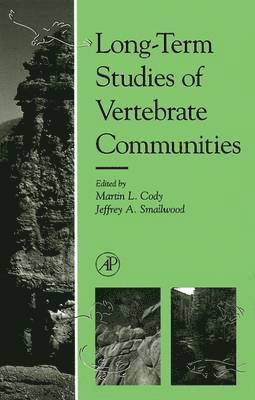
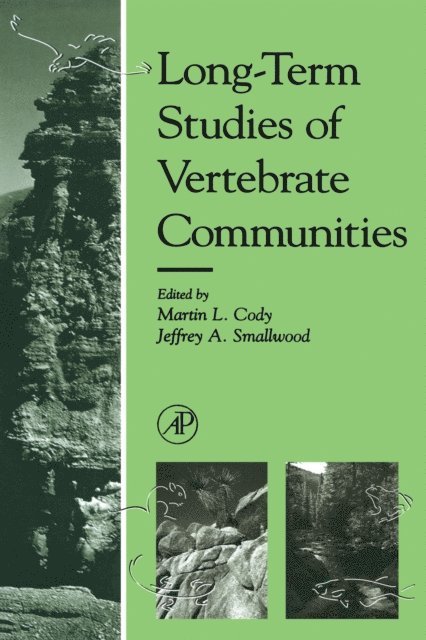
This unique book synthesizes the ongoing long-term community ecology studies of fish, amphibians, reptiles, birds, and mammals. The studies have been conducted from deserts to rainforests as well as in terrestrial, freshwater, and marine habitats and provide valuable insight that can be obtained only through persistent, diligent, and year-after-year investigation.Long-Term Studies of Vertebrate Communities is ideal for faculty, researchers, graduate students, and undergraduates in vertebrate biology, ecology, and evolutionary biology, including ecology, natural history, and systematics.- Provides unique perspectives of community stability and variation- Details the influence of natural and other perturbations on community structure- Includes synopses by well-known authors- Presents results from a broad range of vertebrate taxa- Studies were conducted at different latitudes and in different habitats