2 526 kr
Skickas inom 10-15 vardagar
2 526 kr
Skickas inom 10-15 vardagar
637 kr
Skickas inom 10-15 vardagar
2 601 kr
Skickas inom 10-15 vardagar
651 kr
Skickas inom 10-15 vardagar
2 497 kr
Skickas inom 10-15 vardagar
702 kr
Skickas inom 10-15 vardagar
4 331 kr
Skickas inom 10-15 vardagar
1 871 kr
Skickas inom 10-15 vardagar
380 kr
Skickas inom 10-15 vardagar
2 526 kr
Skickas inom 10-15 vardagar
3 834 kr
Skickas inom 3-6 vardagar
1 589 kr
Skickas inom 3-6 vardagar
2 582 kr
Skickas inom 11-20 vardagar
1 874 kr
Skickas inom 3-6 vardagar
857 kr
Skickas inom 10-15 vardagar
745 kr
Läs direkt efter köp
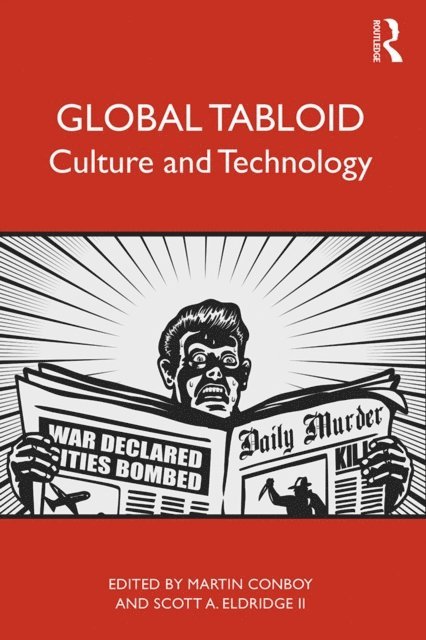
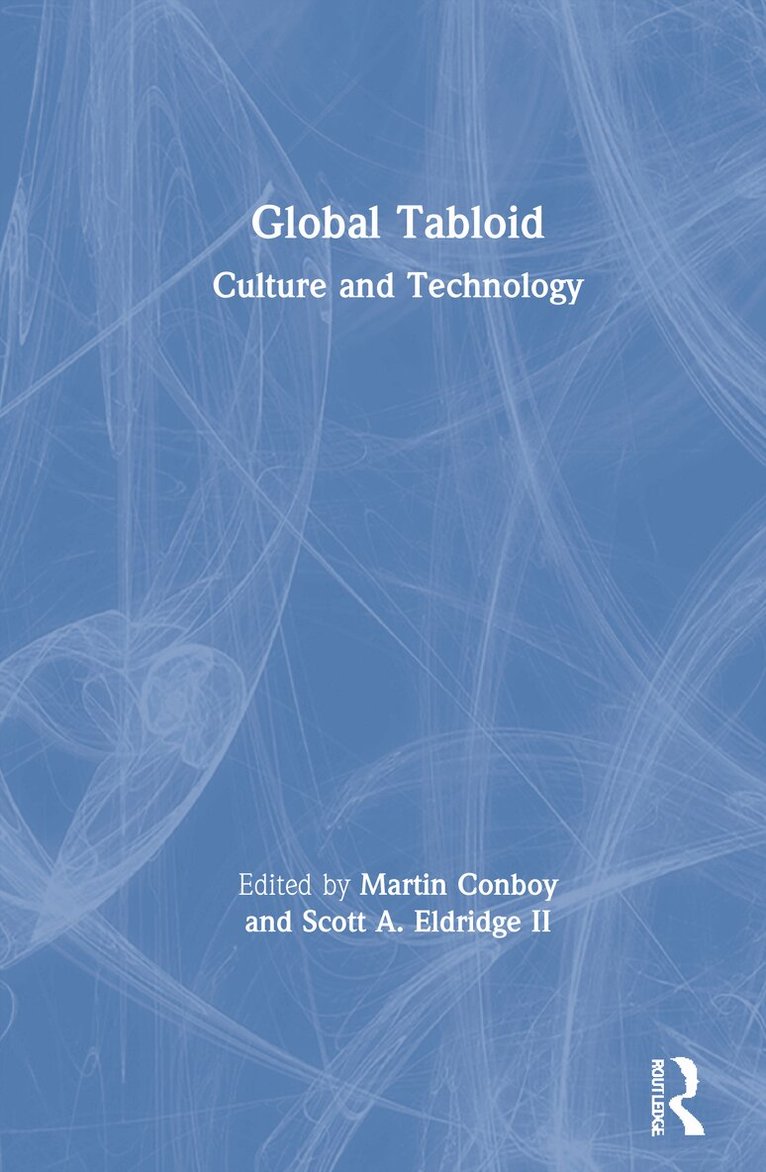
This edited collection brings together a range of contemporary expertise to discuss the development and impact of tabloid news around the world.
In thirteen chapters, Global Tabloid covers tabloid developments in Asia, Africa, the Americas, Australia, and both Eastern and Western Europe. It presents innovative research from eighteen expert contributors and editors who explore tabloidization as a phenomenon, and tabloids as a news form. With an awareness of historical dynamics where tabloids played a role in national news media systems, it brings the debates around tabloids as a cultural force up to date. The book addresses important questions about the contemporary nature of popular culture, the challenges it faces in the digital era, and its impact on a political world dominated by tabloid values. Going beyond national borders to consider global developments, the editors and contributors explore how the tabloids have permeated media culture more generally and how they are adapting to an increasingly digitalized media sphere.
This internationally focused critical study is a valuable resource for students and researchers in journalism, media, and cultural studies.
740 kr
Läs direkt efter köp
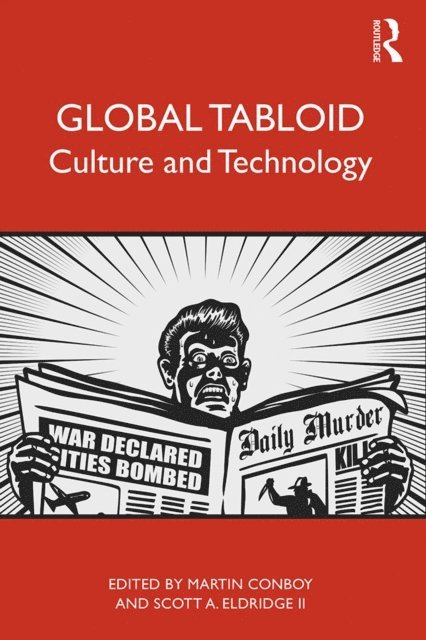
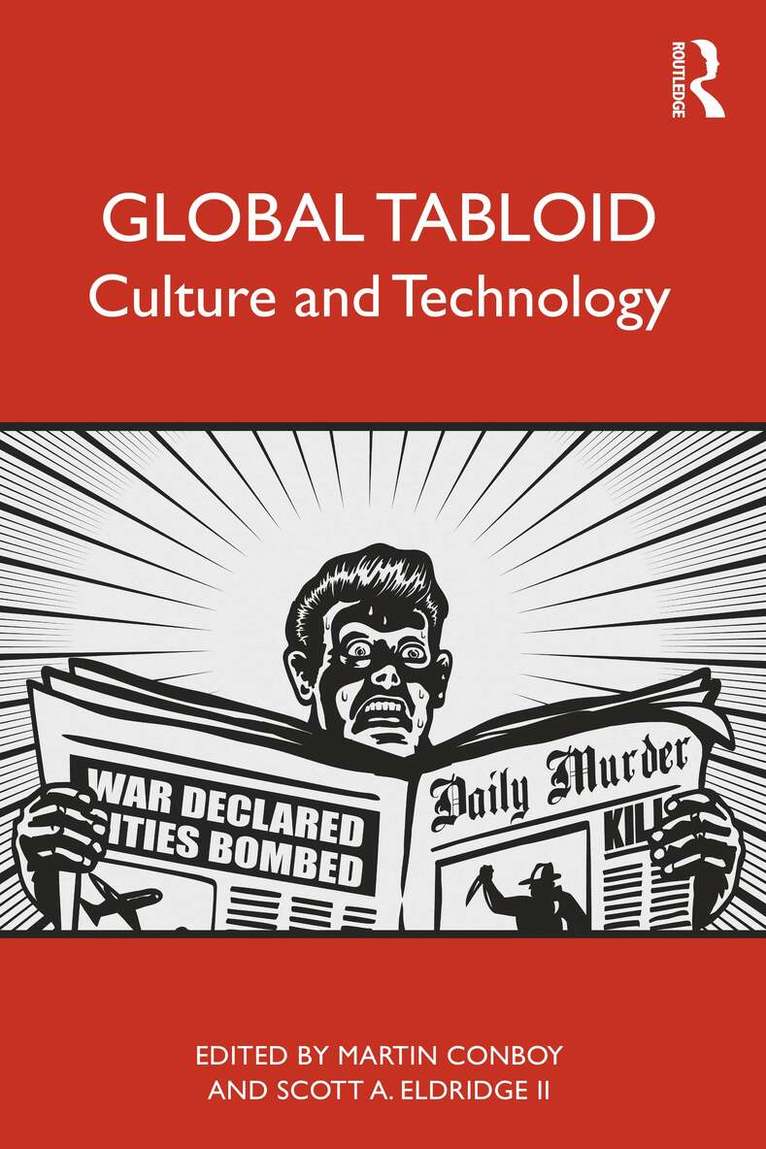
This edited collection brings together a range of contemporary expertise to discuss the development and impact of tabloid news around the world.
In thirteen chapters, Global Tabloid covers tabloid developments in Asia, Africa, the Americas, Australia, and both Eastern and Western Europe. It presents innovative research from eighteen expert contributors and editors who explore tabloidization as a phenomenon, and tabloids as a news form. With an awareness of historical dynamics where tabloids played a role in national news media systems, it brings the debates around tabloids as a cultural force up to date. The book addresses important questions about the contemporary nature of popular culture, the challenges it faces in the digital era, and its impact on a political world dominated by tabloid values. Going beyond national borders to consider global developments, the editors and contributors explore how the tabloids have permeated media culture more generally and how they are adapting to an increasingly digitalized media sphere.
This internationally focused critical study is a valuable resource for students and researchers in journalism, media, and cultural studies.
866 kr
Läs direkt efter köp
How Journalism Uses History examines the various ways in which journalism uses history and historical sources in order to better understand the relationships between journalists, historians and journalism scholars. It highlights the ambiguous overlap between the role of the historian and that of the journalist, and underlines that there no longer seems to be reason to accept that one begins only where the other ends.
With Journalism Studies as a developing subject area throughout the world, journalism history is becoming a particularly vivacious field. As such, How Journalism Uses History argues that, if historical study of this kind is to achieve its full potential, there needs to be a fuller and more consistent engagement with other academics studying the past: political, social and cultural historians in particular, but also scholars working in politics, sociology, literature and linguistics.
Contributors in this book discuss the core themes which inform history’s relationship with journalism from a wide range of geographical and methodological perspectives. They aim to create more ambitious conversations about using journalism both as a source for understanding the past, and for clarifying ideas about its role as constituent of the public sphere in using discourse and tradition to connect contemporary audiences with history.
This book was originally published as a special issue of Journalism Practice.
860 kr
Läs direkt efter köp
How Journalism Uses History examines the various ways in which journalism uses history and historical sources in order to better understand the relationships between journalists, historians and journalism scholars. It highlights the ambiguous overlap between the role of the historian and that of the journalist, and underlines that there no longer seems to be reason to accept that one begins only where the other ends.
With Journalism Studies as a developing subject area throughout the world, journalism history is becoming a particularly vivacious field. As such, How Journalism Uses History argues that, if historical study of this kind is to achieve its full potential, there needs to be a fuller and more consistent engagement with other academics studying the past: political, social and cultural historians in particular, but also scholars working in politics, sociology, literature and linguistics.
Contributors in this book discuss the core themes which inform history’s relationship with journalism from a wide range of geographical and methodological perspectives. They aim to create more ambitious conversations about using journalism both as a source for understanding the past, and for clarifying ideas about its role as constituent of the public sphere in using discourse and tradition to connect contemporary audiences with history.
This book was originally published as a special issue of Journalism Practice.
436 kr
Läs direkt efter köp
436 kr
Läs direkt efter köp
729 kr
Skickas inom 10-15 vardagar
2 209 kr
Skickas inom 10-15 vardagar
580 kr
Skickas inom 10-15 vardagar
245 kr
Skickas inom 7-10 vardagar
250 kr
Skickas inom 7-10 vardagar
981 kr
Läs direkt efter köp
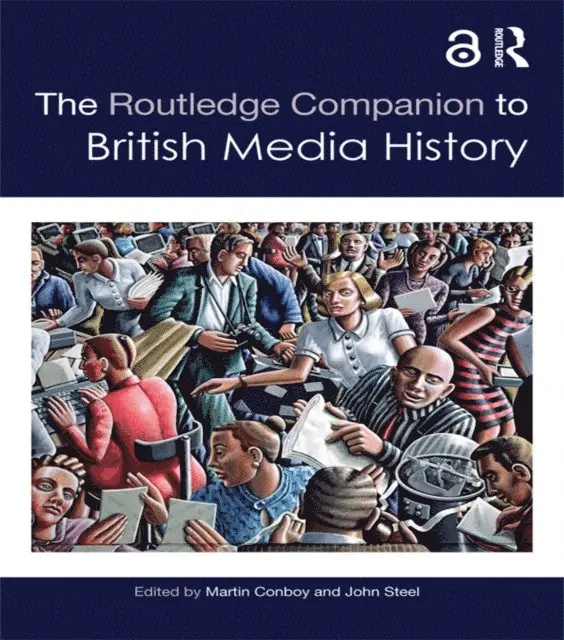
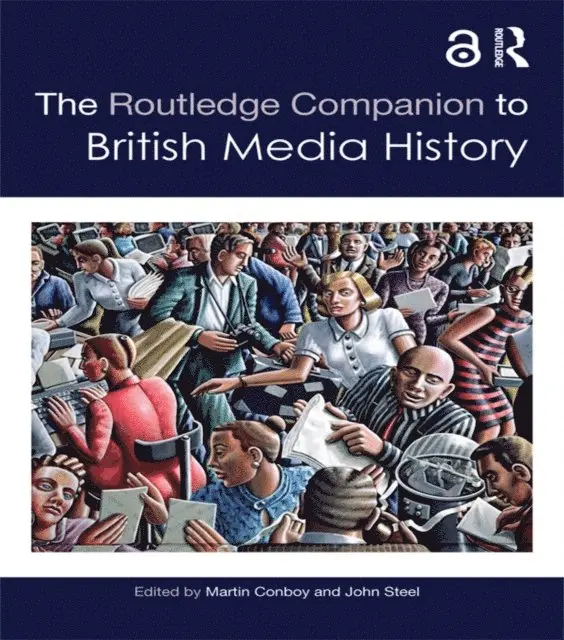
The Routledge Companion to British Media History provides a comprehensive exploration of how different media have evolved within social, regional and national contexts.
The 50 chapters in this volume, written by an outstanding team of internationally respected scholars, bring together current debates and issues within media history in this era of rapid change, and also provide students and researchers with an essential collection of comparable media histories.
The Routledge Companion to British Media History provides an essential guide to key ideas, issues, concepts and debates in the field.
Chapter 40 of this book is freely available as a downloadable Open Access PDF under a Creative Commons Attribution-Non Commercial-No Derivatives 3.0 license. https://www.routledgehandbooks.com/doi/10.4324/9781315756202.ch40
673 kr
Läs direkt efter köp
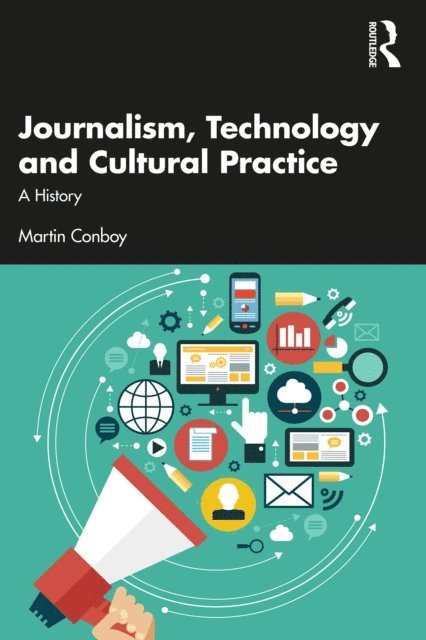
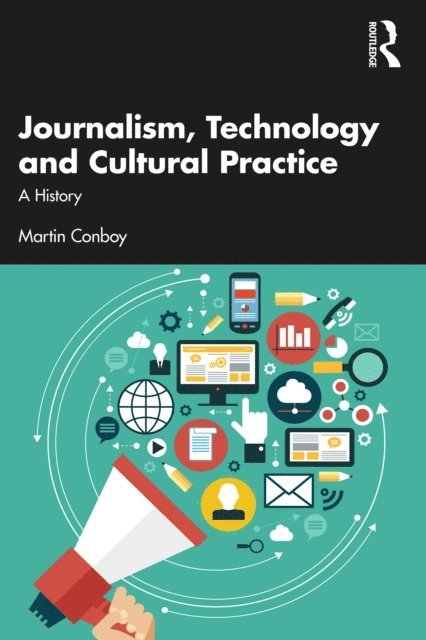
Taking a contextual and historical approach, Journalism, Technology and Cultural Practice provides an accessible introduction to the various stages of journalism’s adoption and exploitation of technology from print to digital.
This foundational text explains the cultural norms and practices that have developed within journalism, why the industry has evolved in the way it has, and what this may mean for the direction of journalistic practices in the future. Readers will examine key technological developments from printing, through radio and television, to contemporary digital developments, whilst also tracing the major cultural shifts empowered by these changes over time. Conboy additionally highlights how journalists have been actors in these processes and have had a central role in defining the culture of their practice.
Journalism, Technology and Cultural Practice is a valuable resource for students of Journalism/Media History and Journalism/Media and Society.