1 183 kr
Skickas inom 10-15 vardagar
1 183 kr
Skickas inom 10-15 vardagar
1 073 kr
Skickas inom 10-15 vardagar
1 021 kr
Skickas inom 10-15 vardagar
1 122 kr
Skickas
399 kr
Skickas inom 10-15 vardagar
450 kr
Läs direkt efter köp
The revolution in Nicaragua was unique in that a large percentage of the combatants were women. The Role of Female Combatants in the Nicaraguan Revolution and Counter Revolutionary War is a study of these women and those who fought in the Contra counter revolution on the Atlantic Coast.
This book is a qualitative study based on 85 interviews with female ex-combatants in the revolution and counter revolution from the 1960s to the end of the 1980s, as well as field observations in Nicaragua and the autonomous regions of the Atlantic Coast. It explores the reasons why women fought, the sacrifices they made, their treatment by male combatants, and their insights into the impact of the revolution and counter-revolution on today’s Nicaragua. The analytical approach draws from political psychology, social identity dynamics such as nationalism and indigenous identities, and the role of liberation theology in the willingness of the female revolutionaries to risk their lives.
Researchers and students of Gender Studies, Latin American and Latino Studies, and Political History will find this an illuminating account of the Nicaraguan Revolution and counter revolution, which until now has been rarely shared.
2 444 kr
Skickas inom 10-15 vardagar
1 397 kr
Läs direkt efter köp
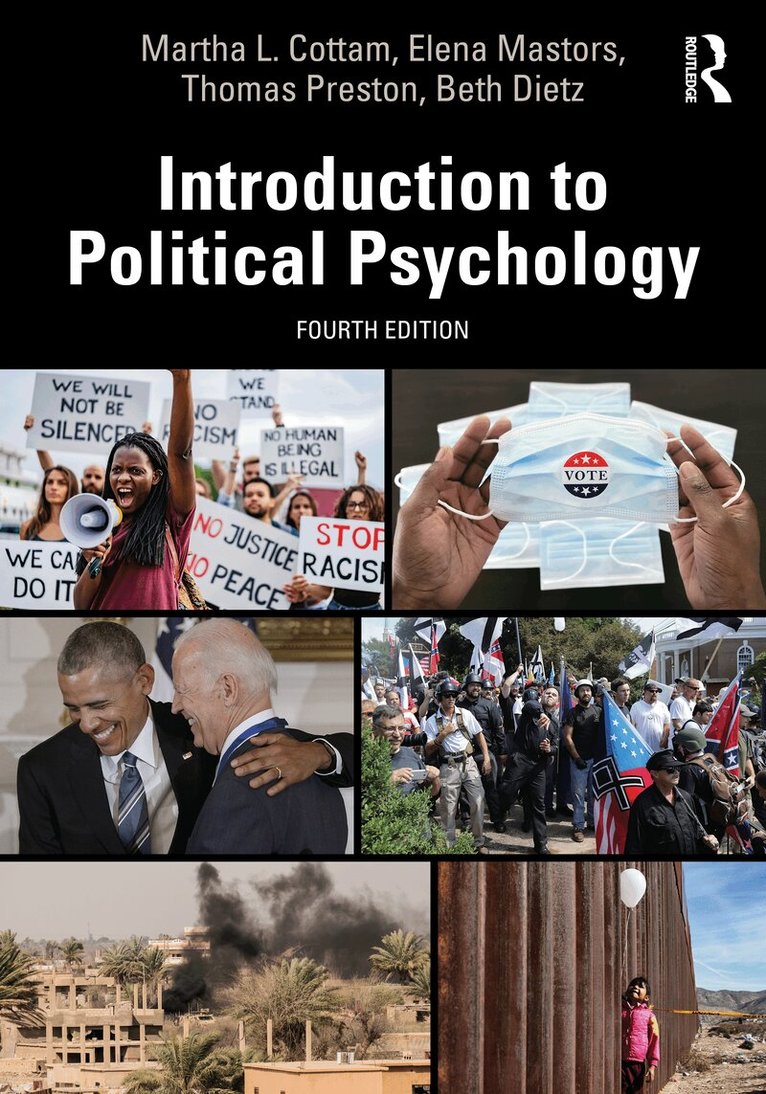
This fifth edition of Introduction to Political Psychology explores the many psychological patterns that influence individual political behavior. The authors introduce readers to a broad range of theories, concepts, and case studies of political activity, arguing that individuals are driven or motivated to act in accordance with personality characteristics, values, beliefs, and attachments to groups. The book explains many aspects of political behavior—whether seemingly pathological actions or normal decision-making practices, which sometimes work optimally, and sometimes fail.
Thoroughly updated throughout, the book examines patterns of political behavior in areas including leadership, group behavior, voting, race, nationalism, terrorism, and war. This edition features:
Detailed coverage of political polarization, and the psychology behind it; Up-to-date topics and case studies focused on the 2024 US election, the war in Ukraine, and the Israel–Palestine conflict, as well as social movements such as climate change activism, Black Lives Matter, and #MeToo; A robust suite of timesaving support material.Accessibly written and comprehensive in scope, it is an essential companion for all graduate and upper-level undergraduate students of psychology, political science, and political psychology. It will also be of interest to those in the policy-making community, especially those looking to learn more about the extent to which perceptions, personality, and group dynamics affect the policy-making arena.

1 397 kr
Läs direkt efter köp
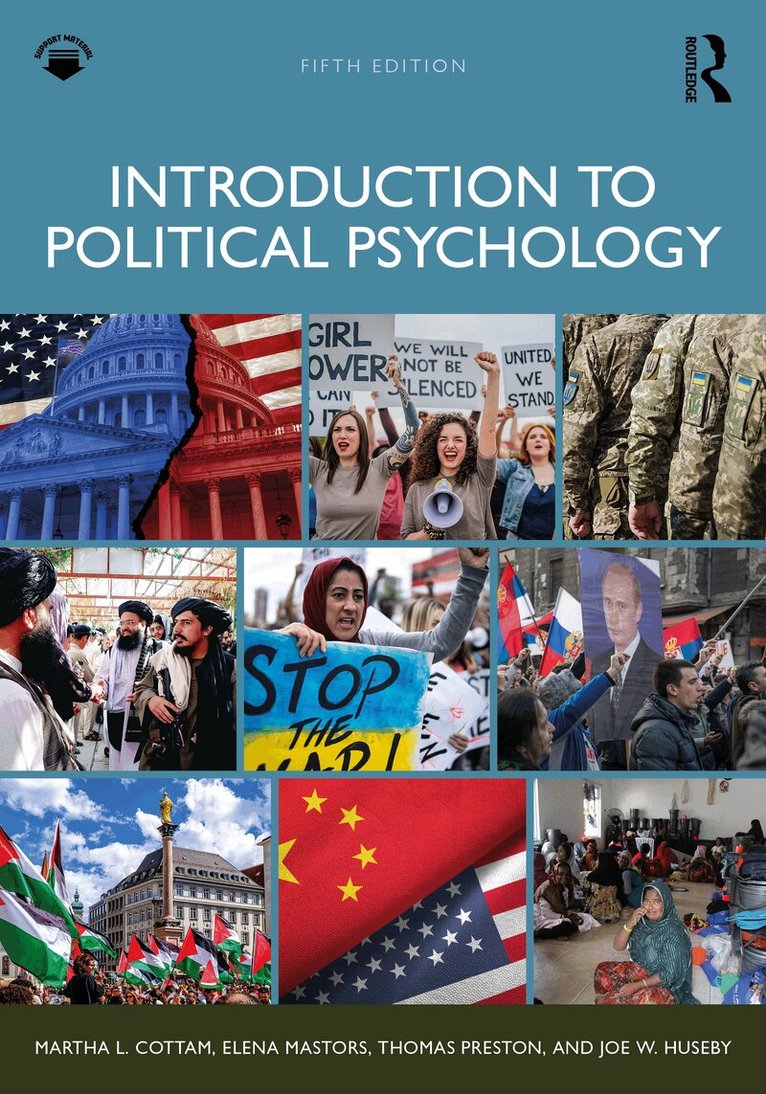
This fifth edition of Introduction to Political Psychology explores the many psychological patterns that influence individual political behavior. The authors introduce readers to a broad range of theories, concepts, and case studies of political activity, arguing that individuals are driven or motivated to act in accordance with personality characteristics, values, beliefs, and attachments to groups. The book explains many aspects of political behavior—whether seemingly pathological actions or normal decision-making practices, which sometimes work optimally, and sometimes fail.
Thoroughly updated throughout, the book examines patterns of political behavior in areas including leadership, group behavior, voting, race, nationalism, terrorism, and war. This edition features:
Detailed coverage of political polarization, and the psychology behind it; Up-to-date topics and case studies focused on the 2024 US election, the war in Ukraine, and the Israel–Palestine conflict, as well as social movements such as climate change activism, Black Lives Matter, and #MeToo; A robust suite of timesaving support material.Accessibly written and comprehensive in scope, it is an essential companion for all graduate and upper-level undergraduate students of psychology, political science, and political psychology. It will also be of interest to those in the policy-making community, especially those looking to learn more about the extent to which perceptions, personality, and group dynamics affect the policy-making arena.

736 kr
Skickas inom 10-15 vardagar