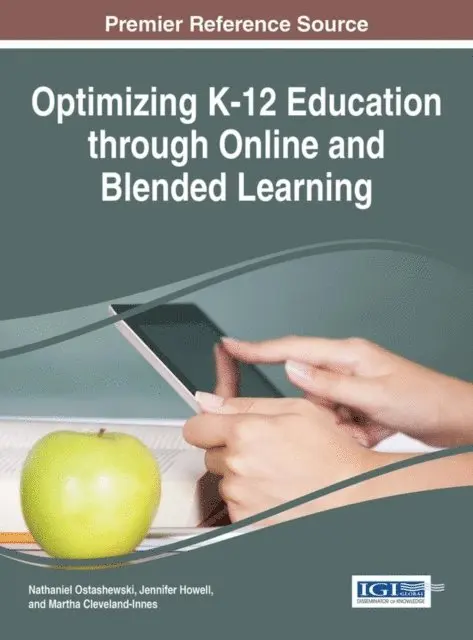
The integration of information and communication technologies in education is unavoidable, as an increasing percentage of educators embrace modern technology, others are faced with the decision to reevaluate their own pedagogical practices or become obsolete. To meet the needs of students, one must first define what stipulates a successful K-12 student, the best practices of online classrooms, the warning signs for low-performing students, and how to engage web-based students. Optimizing K-12 Education through Online and Blended Learning addresses the models, support, cases, and delivery of K-12 online education. Seeking to further the conversation about the most effective ways to integrate ICT into the classroom, this publication presents theoretical frameworks to support educators and administrators. This book is an essential collection of research for teachers, administrators, students of education, IT professionals, developers, and policy makers.
The integration of information and communication technologies in education is unavoidable, as an increasing percentage of educators embrace modern technology, others are faced with the decision to reevaluate their own pedagogical practices or become obsolete. To meet the needs of students, one must first define what stipulates a successful K-12 student, the best practices of online classrooms, the warning signs for low-performing students, and how to engage web-based students. Optimizing K-12 Education through Online and Blended Learning addresses the models, support, cases, and delivery of K-12 online education. Seeking to further the conversation about the most effective ways to integrate ICT into the classroom, this publication presents theoretical frameworks to support educators and administrators. This book is an essential collection of research for teachers, administrators, students of education, IT professionals, developers, and policy makers.
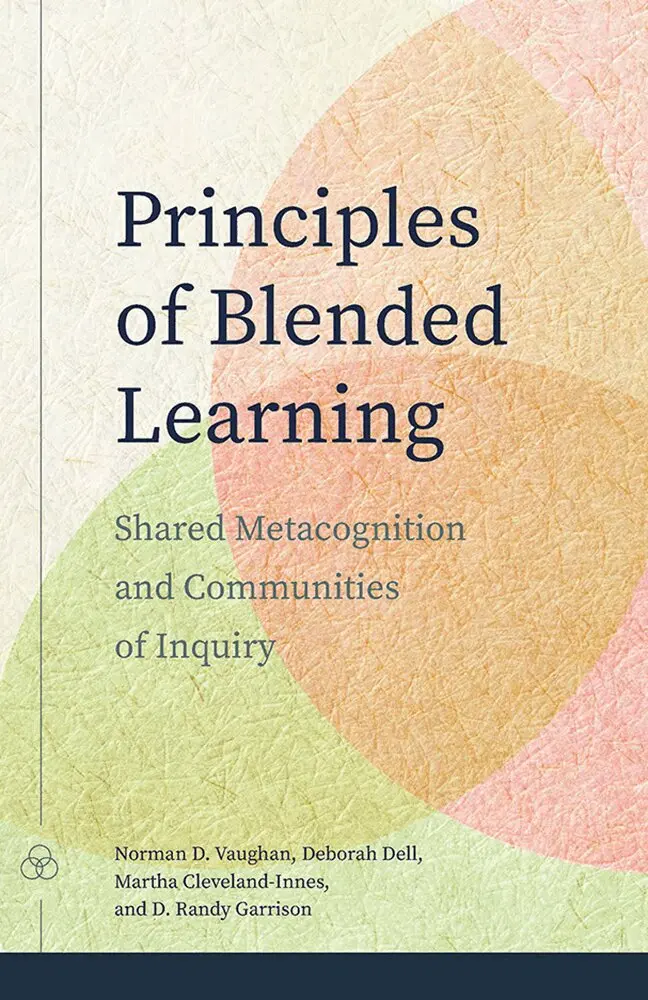
The rapid migration to remote instruction during the Covid-19 pandemic has expedited the need for more research, expertise, and practical guidelines for online and blended learning. A theoretical grounding of approaches and practices is imperative to support blended learning and sustain change across multiple levels in education organizations, from leadership to classroom. Principles of Blended Learning is a valuable framework that regards higher education as both a collaborative and individually constructivist learning experience. The framework considers the interdependent elements of social, cognitive, and teaching presence to create a meaningful learning experience. In this volume, the authors further explore and refine the blended learning principles presented in their first book, Teaching in Blended Learning Environments: Creating and Sustaining Communities of Inquiry, with an added focus on designing, facilitating, and directing collaborative blended learning environments by emphasizing the concept of shared metacognition.
Teaching in Blended Leaning Environments provides acoherent framework in which to explore the transformative concept ofblended learning. Blended learning can be defined as the organicintegration of thoughtfully selected and complementary face-to-face andonline approaches and technologies. A direct result of thetransformative innovation of virtual communication and online learningcommunities, blended learning environments have created new ways forteachers and students to engage, interact, and collaborate. The authorsargue that this new learning environment necessitates significant roleadjustments for instructors and generates a need to understand theaspects of teaching presence required of deep and meaningful learningoutcomes.Built upon the theoretical framework of the Community of Inquiry – the premise that higher education is both a collaborative andindividually constructivist learning experience – the authorspresent seven principles that provide a valuable set of tools forharnessing the opportunities for teaching and learning availablethrough technology. Focusing on teaching practices related to thedesign, facilitation, direction and assessment of blended learningexperiences, Teaching in Blended Learning Environmentsaddresses the growing demand for improved teaching in highereducation.