1 174 kr
Läs direkt efter köp
1 174 kr
Läs direkt efter köp
1 165 kr
Läs direkt efter köp
1 319 kr
Skickas inom 7-10 vardagar
2 526 kr
Skickas inom 10-15 vardagar
827 kr
Skickas inom 10-15 vardagar
2 324 kr
Skickas inom 10-15 vardagar
2 324 kr
Skickas inom 10-15 vardagar
690 kr
Skickas inom 10-15 vardagar
690 kr
Skickas inom 10-15 vardagar
883 kr
Läs direkt efter köp
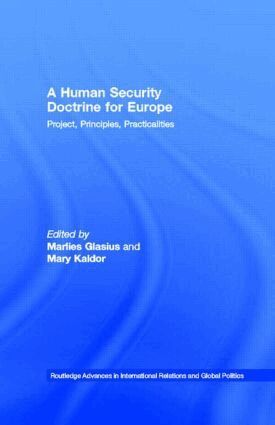
A Human Security Doctrine for Europe explores the actual needs of individual people in conflict areas, rather than using a conventional institutional or geo-political perspectives.
This new volume proposes that Europe should develop a new kind of human security capability that involves the military, the police and civilians all working together to enforce law rather than to fight wars. It argues that threats such as weapons of mass destruction or terrorism can only be countered if we address the insecurity of people in all parts of the world.
Many people in the world lead intolerably insecure lives. In large parts of Africa, the Balkans, Central Asia and the Middle East, men and women live in daily fear of violent attacks, kidnapping, rape, extortion, robbery or trafficking. The existence of large military apparatuses does not create security; indeed, as in Iraq, the use of regular military forces may only make things worse. This stimulating study includes:
two chapters setting out the changed global context and proposing new approaches to security five regional studies on the Balkans, the Great Lakes Region, the Middle East, the South Caucasus and West-Africa four studies on different aspects of EU security policy, including the legal setting, the role of women, operational principles and the role of the new member states four operational studies on capabilities, resources and institutional embeddingWritten by a diverse team of international experts, this book will of be of strong interest to students and researchers of security studies, peace studies, human rights and international relations.
864 kr
Läs direkt efter köp
A Human Security Doctrine for Europe explores the actual needs of individual people in conflict areas, rather than using a conventional institutional or geo-political perspectives.
This new volume proposes that Europe should develop a new kind of human security capability that involves the military, the police and civilians all working together to enforce law rather than to fight wars. It argues that threats such as weapons of mass destruction or terrorism can only be countered if we address the insecurity of people in all parts of the world.
Many people in the world lead intolerably insecure lives. In large parts of Africa, the Balkans, Central Asia and the Middle East, men and women live in daily fear of violent attacks, kidnapping, rape, extortion, robbery or trafficking. The existence of large military apparatuses does not create security; indeed, as in Iraq, the use of regular military forces may only make things worse. This stimulating study includes:
two chapters setting out the changed global context and proposing new approaches to security five regional studies on the Balkans, the Great Lakes Region, the Middle East, the South Caucasus and West-Africa four studies on different aspects of EU security policy, including the legal setting, the role of women, operational principles and the role of the new member states four operational studies on capabilities, resources and institutional embeddingWritten by a diverse team of international experts, this book will of be of strong interest to students and researchers of security studies, peace studies, human rights and international relations.
949 kr
Läs direkt efter köp
949 kr
Läs direkt efter köp
2 233 kr
Skickas inom 3-6 vardagar
Former Yugoslavia and Beyond
1 007 kr
Skickas inom 10-15 vardagar
1 342 kr
Läs direkt efter köp
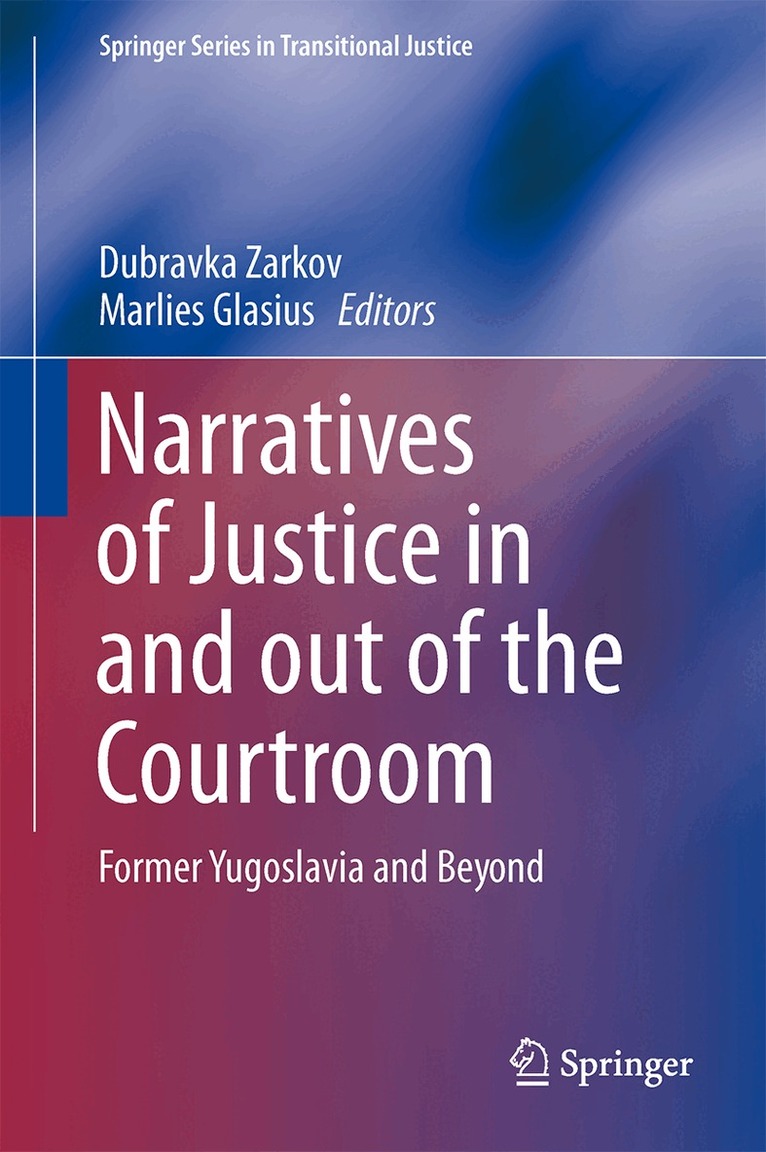
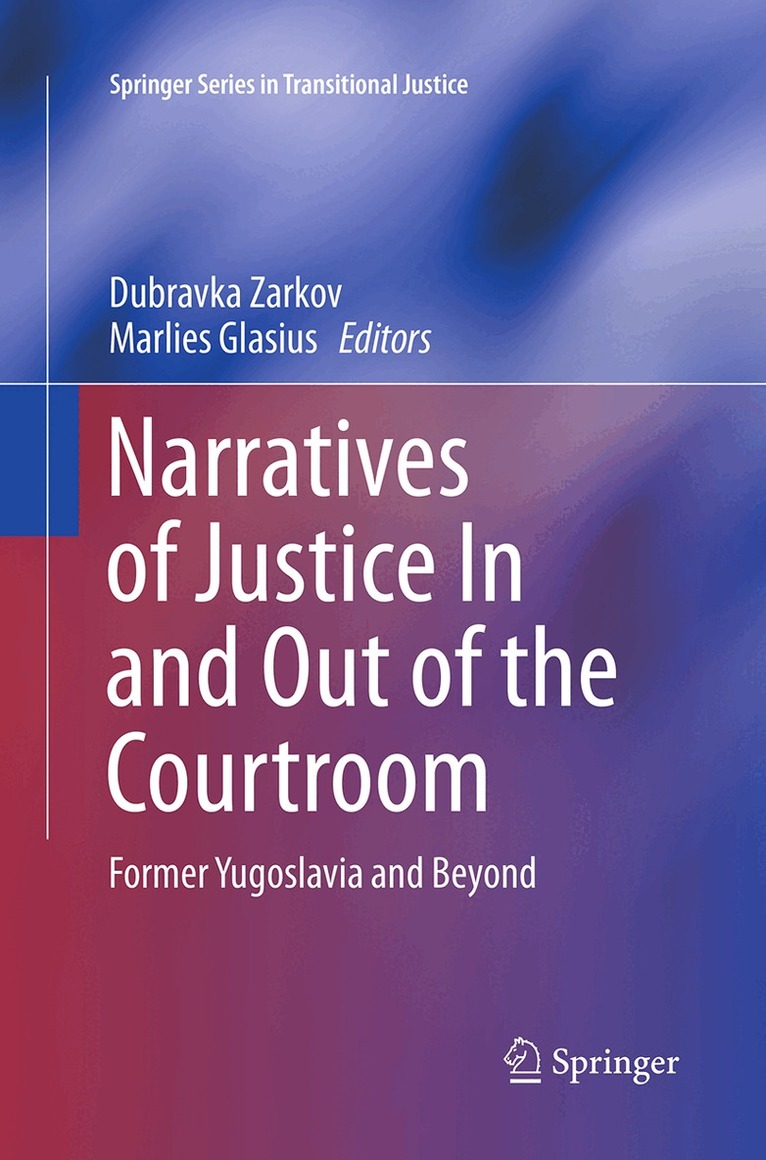
This volume considers the dynamic relations between the contemporary practices of international criminal tribunals and the ways in which competing histories, politics and discourses are re-imagined and re-constructed in the former Yugoslavia and beyond. There are two innovative aspects of the book - one is the focus on narratives of justice and their production, another is in its comparative perspective. While legal scholars have tended to analyze transitional justice and the international war tribunals in terms of their success or failure in establishing the facts of war crimes, this volume goes beyond mere facts and investigates how the courts create a symbolic space within which competing narratives of crimes, perpetrators and victims are produced, circulated and contested. It analyzes how international criminal law and the courts gather, and in turn produce, knowledge about societies in war, their histories and identities, and their relations to the wider world.
Moreover, the volume situates narratives of transitional justice in former Yugoslavia both within specific national spaces - such as Serbia, and Bosnia - and beyond the Yugoslav. In this way it also considers experiences from other countries and other times (post-World War II) to offer a sounding board for re-thinking the meanings of transitional justice and institutions within former Yugoslavia. Included in the volume''s coverage is a look at the Rwandan tribunals, the trials of Charles Taylor, Radovan Karadzic, the Srebrenica genocide, and other war crimes and criminals in the Yugoslav. Finally, it frames all of those narratives and experiences within the global dynamics of legal, social and geo-political transformations, making it an excellent resource for social science researchers, human rights activists, those interested in the former Yugoslavia and international relations, and legal scholars.
Former Yugoslavia and Beyond
1 003 kr
Skickas inom 10-15 vardagar
308 kr
Skickas inom 10-15 vardagar
312 kr
Skickas inom 10-15 vardagar
987 kr
Tillfälligt slut
796 kr
Tillfälligt slut