352 kr
Skickas
352 kr
Skickas
252 kr
Skickas inom 7-10 vardagar
New Ideological Patterns after the Orange Revolution
271 kr
Skickas
224 kr
Skickas inom 7-10 vardagar
3 721 kr
Skickas inom 3-6 vardagar
2 090 kr
Läs direkt efter köp
2 090 kr
Läs direkt efter köp
716 kr
Skickas inom 10-15 vardagar
725 kr
Skickas inom 10-15 vardagar
2 497 kr
Skickas inom 10-15 vardagar
745 kr
Skickas inom 10-15 vardagar
2 526 kr
Skickas inom 10-15 vardagar
754 kr
Skickas inom 10-15 vardagar
3 083 kr
Skickas inom 10-15 vardagar
915 kr
Skickas inom 10-15 vardagar
742 kr
Skickas inom 7-10 vardagar
706 kr
Skickas inom 7-10 vardagar
831 kr
Läs direkt efter köp
831 kr
Läs direkt efter köp
2 515 kr
Skickas inom 10-15 vardagar
883 kr
Läs direkt efter köp
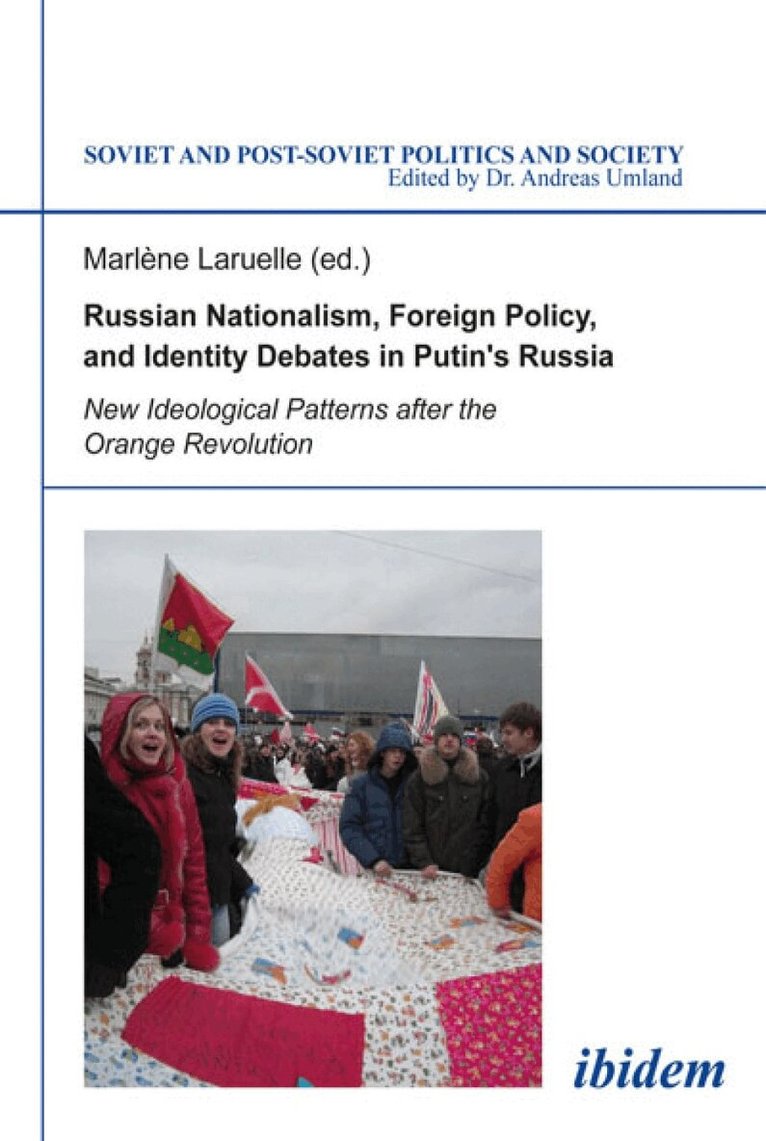
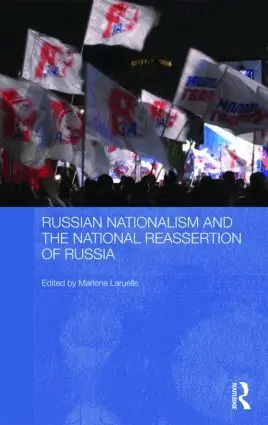
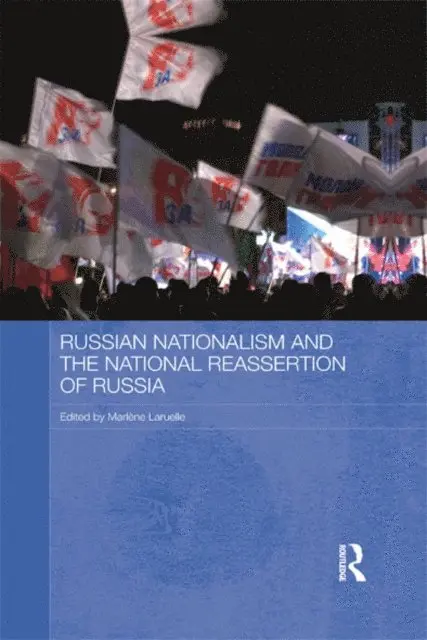
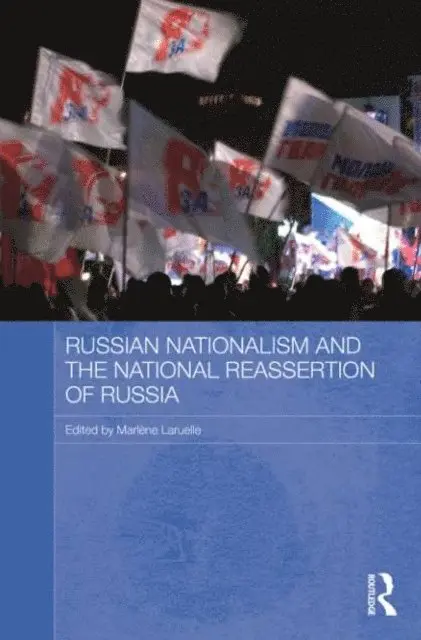
Military action in South Ossetia, growing tensions with the United States and NATO, and Russia''s relationship with the European Union demonstrate how the issue of Russian nationalism is increasingly at the heart of the international political agenda.This book considers a wide range of aspects of Russian nationalism, focussing on the Putin period. It discusses the development of Russian nationalism, including in the Soviet era, and examines how Russian nationalism grows out of – or is related to – ideology, culture, racism, religion and intellectual thinking, and demonstrates how Russian nationalism affects many aspects of Russian society, politics and foreign policy. This book examines the different socio-political phenomena which are variously defined as ‘nationalism’, ‘patriotism’ and ‘xenophobia’. As Russia reasserts itself in the world, with Russian nationalism as one of the key driving forces in this process, an understanding of Russian nationalism is essential for understanding the dynamics of contemporary international relations.
877 kr
Läs direkt efter köp
Military action in South Ossetia, growing tensions with the United States and NATO, and Russia''s relationship with the European Union demonstrate how the issue of Russian nationalism is increasingly at the heart of the international political agenda.This book considers a wide range of aspects of Russian nationalism, focussing on the Putin period. It discusses the development of Russian nationalism, including in the Soviet era, and examines how Russian nationalism grows out of – or is related to – ideology, culture, racism, religion and intellectual thinking, and demonstrates how Russian nationalism affects many aspects of Russian society, politics and foreign policy. This book examines the different socio-political phenomena which are variously defined as ‘nationalism’, ‘patriotism’ and ‘xenophobia’. As Russia reasserts itself in the world, with Russian nationalism as one of the key driving forces in this process, an understanding of Russian nationalism is essential for understanding the dynamics of contemporary international relations.
2 489 kr
Skickas inom 10-15 vardagar
902 kr
Skickas inom 10-15 vardagar
2 601 kr
Skickas inom 10-15 vardagar
1 066 kr
Läs direkt efter köp
1 043 kr
Läs direkt efter köp
849 kr
Läs direkt efter köp
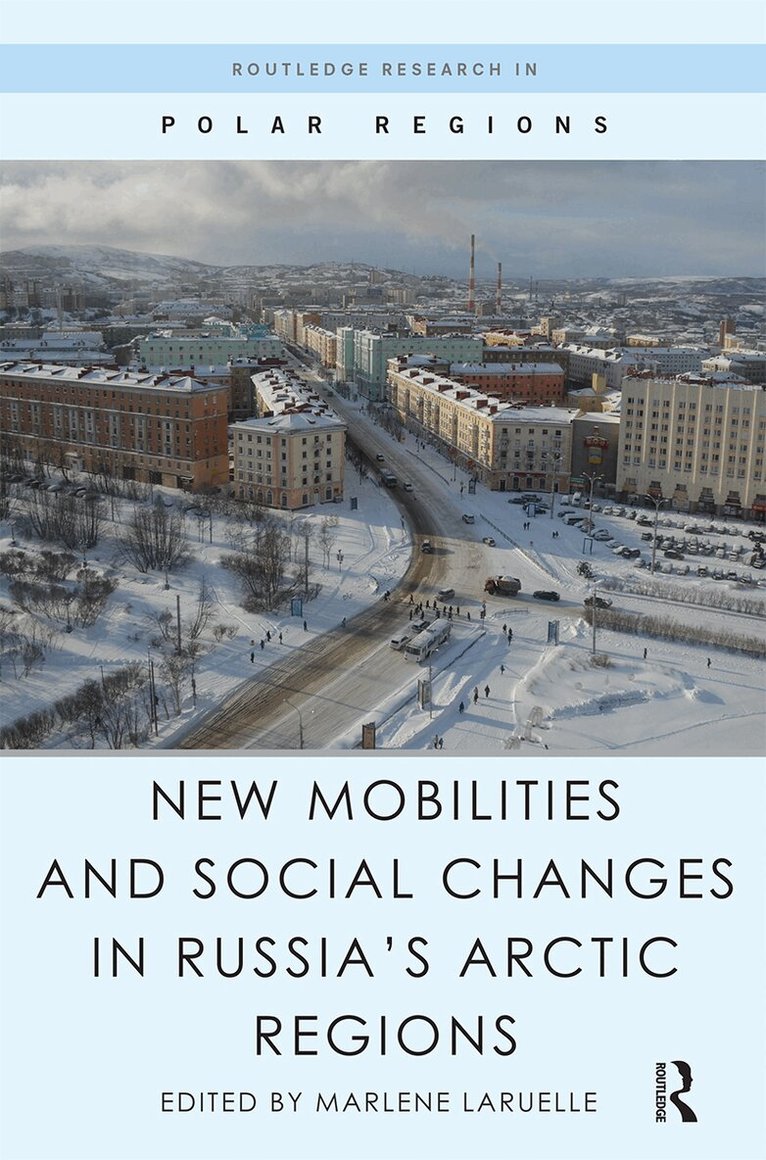
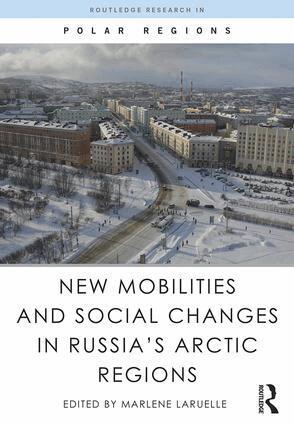
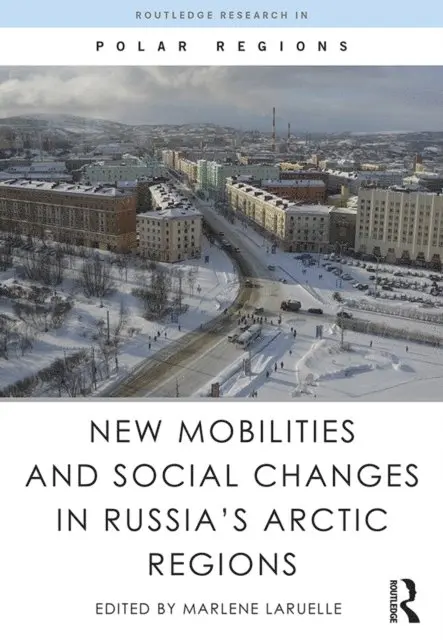
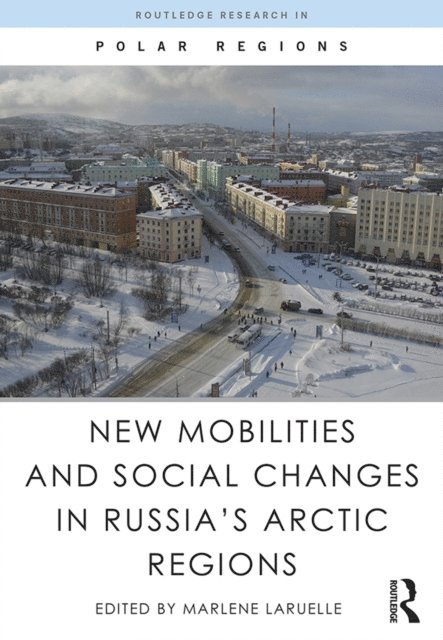
This book provides the first in-depth, multidisciplinary study of re-urbanization in Russia’s Arctic regions, with a specific focus on new mobility patterns, and the resulting birth of new urban Arctic identities in which newcomers and labor migrants form a rising part of. It is an invaluable reference for all those interested in current trends in circumpolar regions, showing how the Arctic region is becoming more diverse culturally, but also more integrated into globalized trends in terms of economic development, urban sustainability and migration.
864 kr
Läs direkt efter köp
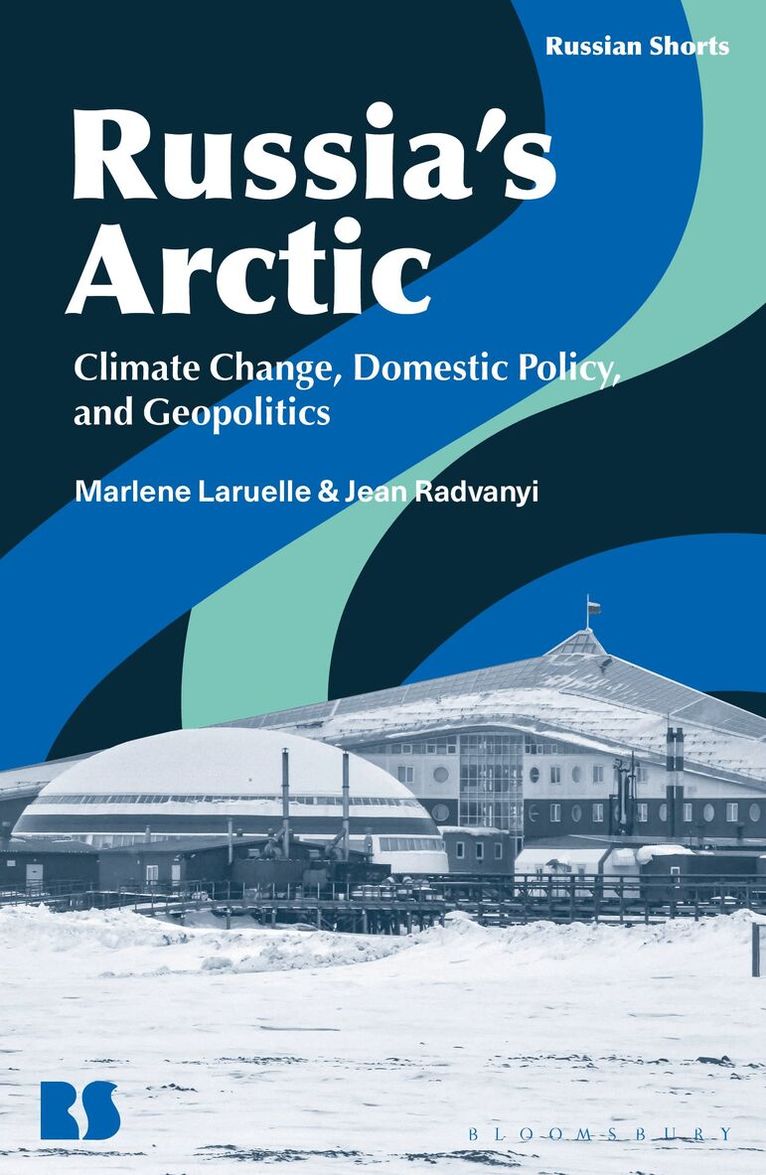
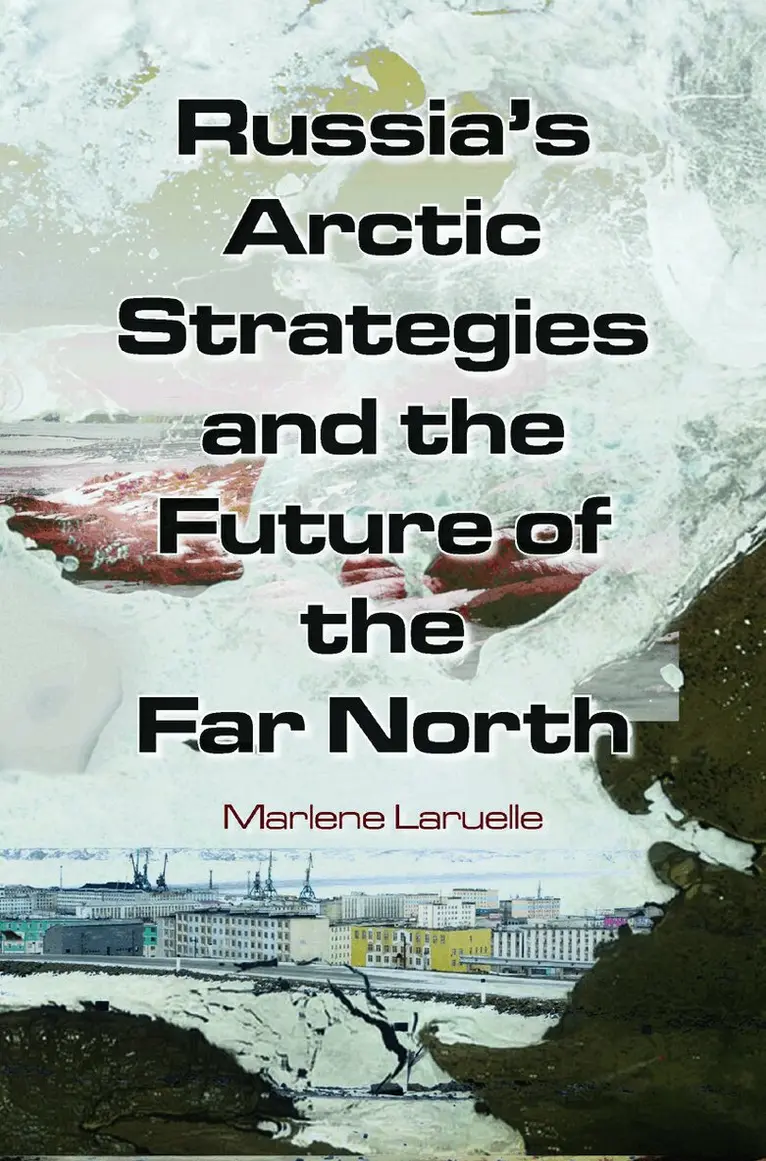
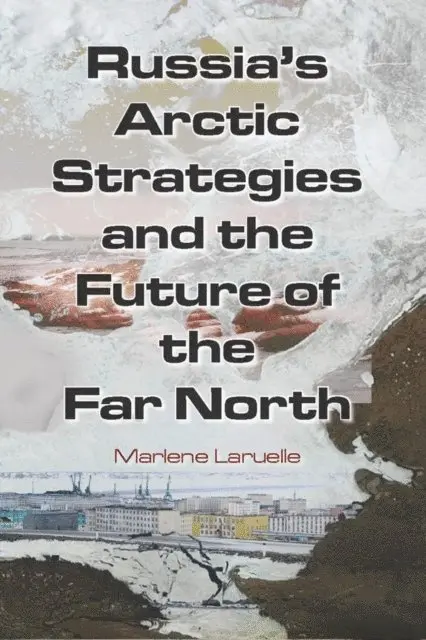
This book offers the first comprehensive examination of Russia''s Arctic strategy, ranging from climate change issues and territorial disputes to energy policy and domestic challenges. As the receding polar ice increases the accessibility of the Arctic region, rival powers have been manoeuvering for geopolitical and resource security. Geographically, Russia controls half of the Arctic coastline, 40 percent of the land area beyond the Circumpolar North, and three quarters of the Arctic population. In total, the sea and land surface area of the Russian Arctic is about 6 million square kilometres. Economically, as much as 20 percent of Russia''s GDP and its total exports is generated north of the Arctic Circle. In terms of resources, about 95 percent of its gas, 75 percent of its oil, 96 percent of its platinum, 90 percent of its nickel and cobalt, and 60 percent of its copper reserves are found in Arctic and Sub-Arctic regions. Add to this the riches of the continental shelf, seabed, and waters, ranging from rare earth minerals to fish stocks. After a spike of aggressive rhetoric when Russia planted its flag in the Arctic seabed in 2007, Moscow has attempted to strengthen its position as a key factor in developing an international consensus concerning a region where its relative advantages are manifest, despite its diminishing military, technological, and human capacities.