2 618 kr
Skickas inom 10-15 vardagar
2 618 kr
Skickas inom 10-15 vardagar
255 kr
Skickas inom 10-15 vardagar
708 kr
Läs direkt efter köp
519 kr
Skickas inom 3-6 vardagar
458 kr
Skickas inom 7-10 vardagar
537 kr
Läs direkt efter köp
650 kr
Läs direkt efter köp
Challenging the universalizing tendencies of postcolonial theory as it has developed in the Anglophone academy, the contributors are attentive to the crucial ways in which the histories of Latin American countries—with their creole elites, hybrid middle classes, subordinated ethnic groups, and complicated historical relationships with Spain and the United States—differ from those of other former colonies in the southern hemisphere. Yet, while acknowledging such differences, the volume suggests a host of provocative, critical connections to colonial and postcolonial histories around the world.
ContributorsThomas AbercrombieShahid AminJorge Cañizares-EsguerraPeter GuardinoAndrés GuerreroMarixa LassoJavier Morillo-AliceaJoanne RappaportMauricio Tenorio-TrilloMark Thurner
856 kr
Läs direkt efter köp
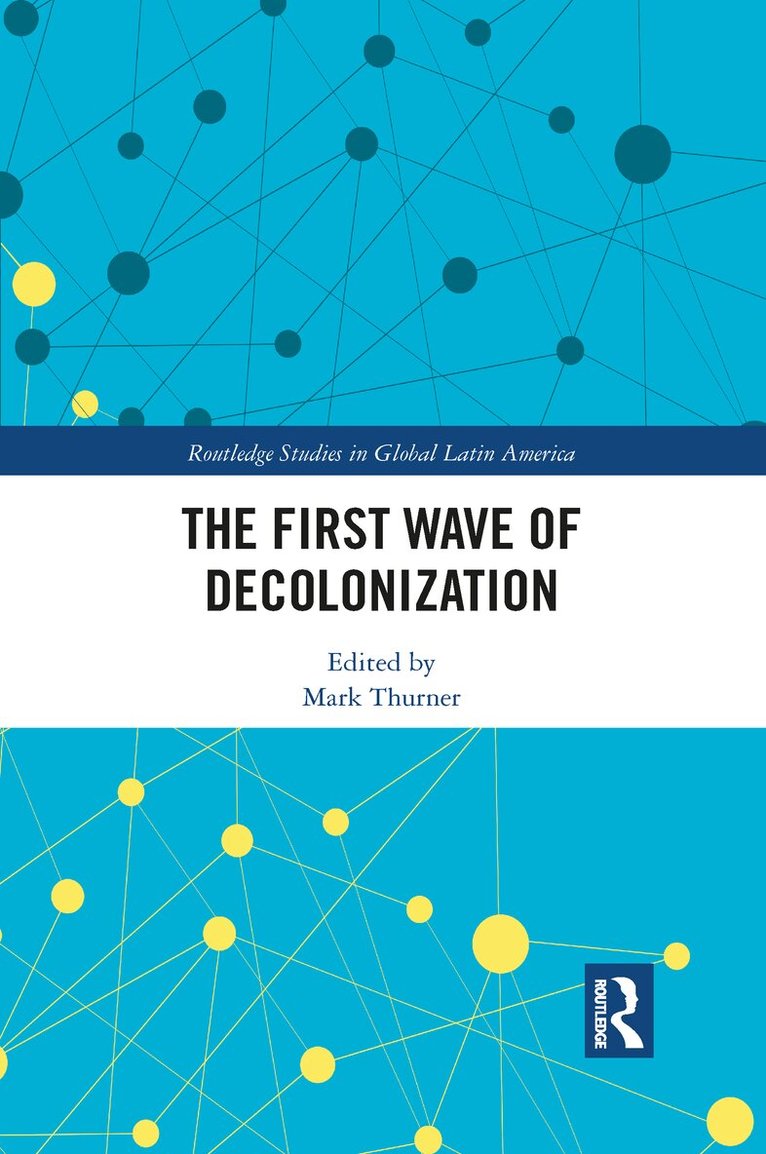
The global phenomenon of decolonization was born in the Americas in the late eighteenth and early nineteenth centuries. The First Wave of Decolonization is the first volume in any language to describe and analyze the scope and meanings of decolonization during this formative period. It demonstrates that the pioneers of decolonization were not twentieth-century Frenchmen or Algerians but nineteenth-century Peruvians and Colombians. In doing so, it vastly expands the horizons of decolonization, conventionally understood to be a post-war development emanating from Europe. The result is a provocative, new understanding of the global history of decolonization.

838 kr
Läs direkt efter köp
The global phenomenon of decolonization was born in the Americas in the late eighteenth and early nineteenth centuries. The First Wave of Decolonization is the first volume in any language to describe and analyze the scope and meanings of decolonization during this formative period. It demonstrates that the pioneers of decolonization were not twentieth-century Frenchmen or Algerians but nineteenth-century Peruvians and Colombians. In doing so, it vastly expands the horizons of decolonization, conventionally understood to be a post-war development emanating from Europe. The result is a provocative, new understanding of the global history of decolonization.

749 kr
Läs direkt efter köp
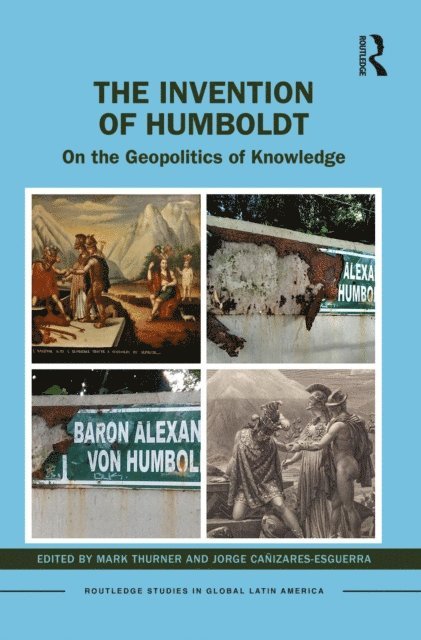
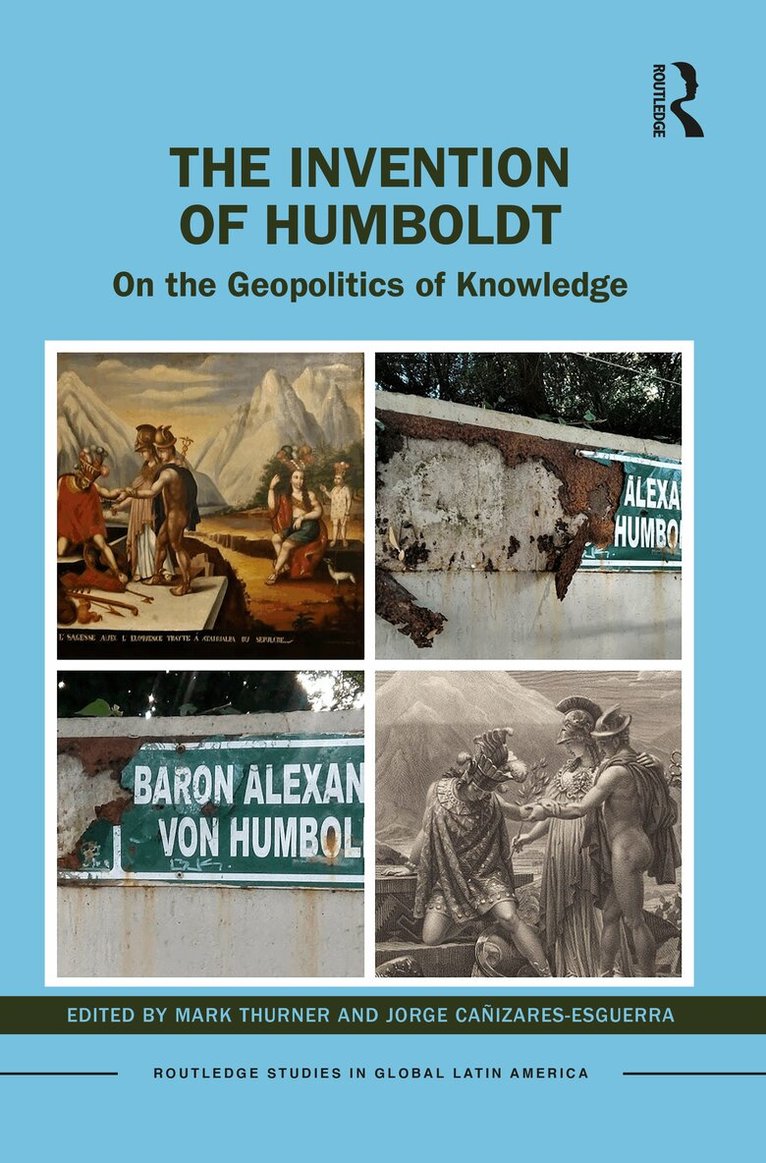
The Invention of Humboldt is a game-changing volume of essays by leading scholars of the Hispanic world that explodes many myths about Alexander von Humboldt and his world.
Rather than ‘follow in Humboldt’s footsteps,’ this book outlines the new critical horizon of post-Humboldtian Humboldt studies: the archaeology of all that lies buried under the Baron’s epistemological footprint. Contrary to the popular image of Humboldt as a solitary ‘adventurer’ and ‘hero of science’ surrounded by New World nature, The Invention of Humboldt demonstrates that the Baron’s opus and practice was largely derivative of the knowledge communities and archives of the Hispanic world. Although Humboldtian writing has invented a powerful cult that has served to erase the sources of his knowledge and practice, in truth Humboldt did not ‘invent nature,’ nor did he pioneer global science: he was the beneficiary of Iberian natural science and globalization. Nor was Humboldt a pioneering, ‘postcolonial’ cultural relativist. Instead, his anthropological views of the Americas were Orientalist and historicist and, in most ways, were less enlightened than those of his Creole contemporaries.
This book will reshape the landscape of Humboldt scholarship. It is essential reading for all those interested in Alexander von Humboldt, the Hispanic American enlightenment, and the global history of science and knowledge.
733 kr
Läs direkt efter köp
The Invention of Humboldt is a game-changing volume of essays by leading scholars of the Hispanic world that explodes many myths about Alexander von Humboldt and his world.
Rather than ‘follow in Humboldt’s footsteps,’ this book outlines the new critical horizon of post-Humboldtian Humboldt studies: the archaeology of all that lies buried under the Baron’s epistemological footprint. Contrary to the popular image of Humboldt as a solitary ‘adventurer’ and ‘hero of science’ surrounded by New World nature, The Invention of Humboldt demonstrates that the Baron’s opus and practice was largely derivative of the knowledge communities and archives of the Hispanic world. Although Humboldtian writing has invented a powerful cult that has served to erase the sources of his knowledge and practice, in truth Humboldt did not ‘invent nature,’ nor did he pioneer global science: he was the beneficiary of Iberian natural science and globalization. Nor was Humboldt a pioneering, ‘postcolonial’ cultural relativist. Instead, his anthropological views of the Americas were Orientalist and historicist and, in most ways, were less enlightened than those of his Creole contemporaries.
This book will reshape the landscape of Humboldt scholarship. It is essential reading for all those interested in Alexander von Humboldt, the Hispanic American enlightenment, and the global history of science and knowledge.
736 kr
Skickas inom 10-15 vardagar
643 kr
Skickas inom 10-15 vardagar
2 223 kr
Skickas inom 10-15 vardagar
733 kr
Skickas inom 10-15 vardagar
2 610 kr
Skickas inom 10-15 vardagar
838 kr
Läs direkt efter köp
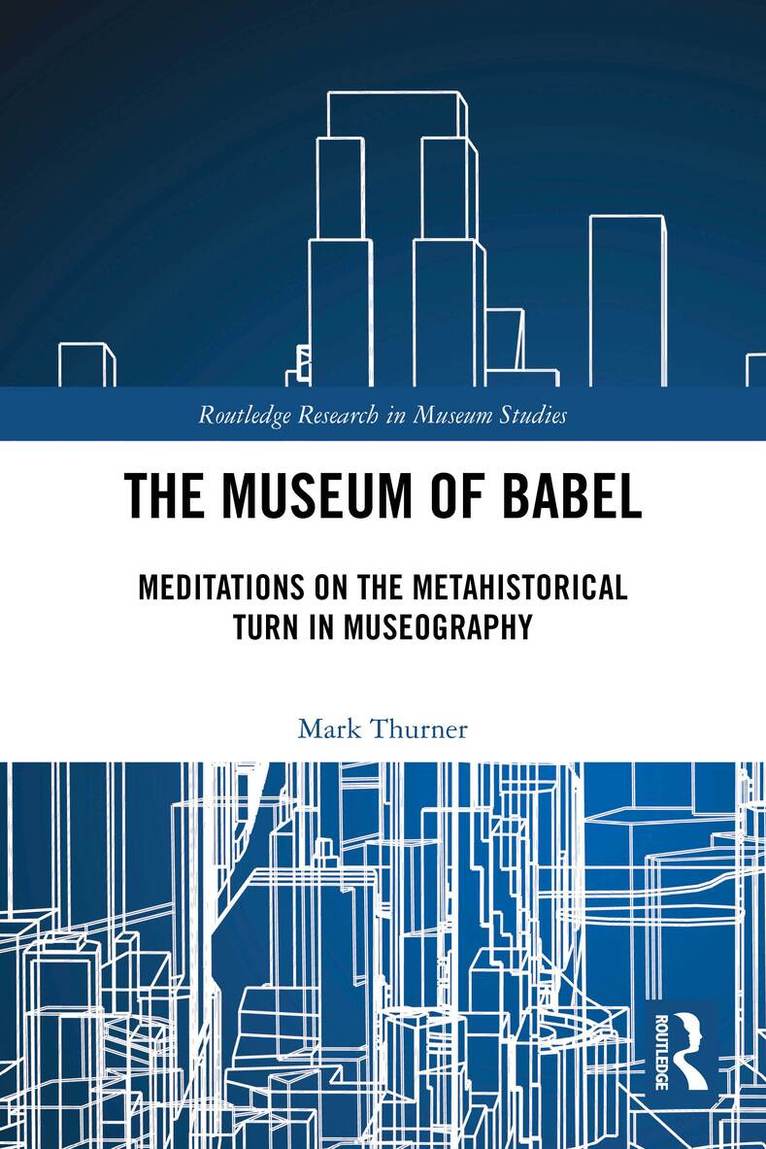
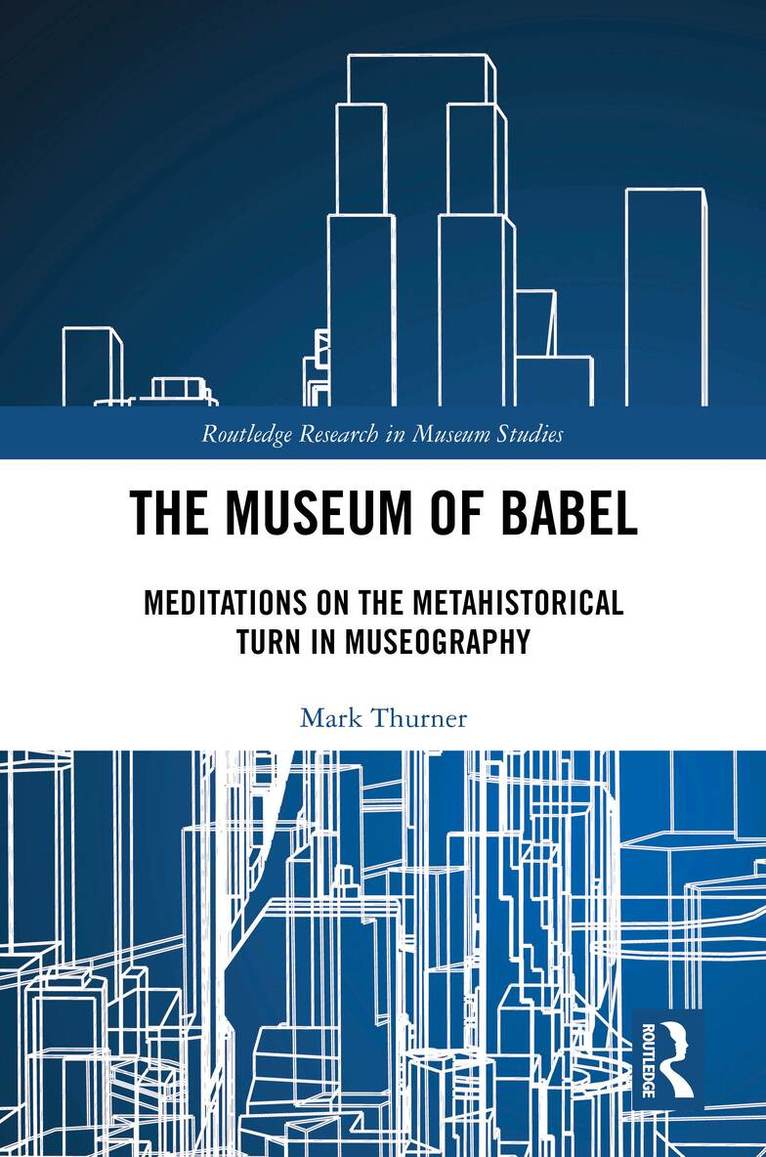
The Museum of Babel: Meditations on the Metahistorical Turn in Museography is a thought‑provoking, transatlantic reading of contemporary exhibits of the museum’s own past. Museums everywhere now exhibit ‘evocations’ of their own pasts, often in the form of refashioned, ancestral cabinets of curiosities. Moving beyond discussions of ‘the return to curiosity,’ Thurner calls this retrospective trend the metahistorical turn in museography. Providing engaging and lively meditations on exhibits of the museal past in art, natural history, archaeology, and anthropology museums, including the Prado, the Royal Cabinet of Natural History, the Ashmolean, the British Museum, the Louvre, Coimbra’s Science Museum, Brazil’s scorched Museu Nacional, Mexico’s Museum of Anthropology, Argentina’s Museo de la Plata, and the Venice Art Biennale, Thurner argues that the ongoing metahistorical turn in museography is exposing the museum’s true vocation, which is to be a museum of itself, or metamuseum.
In a word, The Museum of Babel is a provocative meditation on the museum’s true vocation. As such, it will be essential reading for museologists, curators, museum professionals, historians and philosophers of art and science, anthropologists, and students in an array of related fields, including museum studies, cultural studies, global studies, history, archaeology, anthropology, design, and art history.
850 kr
Läs direkt efter köp
1 371 kr
Skickas inom 7-10 vardagar
815 kr
Tillfälligt slut
1 320 kr
Tillfälligt slut
1 374 kr
Tillfälligt slut