1 756 kr
Läs direkt efter köp
1 756 kr
Läs direkt efter köp
1 331 kr
Läs direkt efter köp
667 kr
Läs direkt efter köp
1 331 kr
Läs direkt efter köp
1 744 kr
Läs direkt efter köp
3 508 kr
Skickas inom 7-10 vardagar
2 092 kr
Skickas inom 7-10 vardagar
2 210 kr
Skickas inom 5-8 vardagar
1 969 kr
Läs direkt efter köp
1 983 kr
Läs direkt efter köp
2 340 kr
Kommande
2 340 kr
Kommande
3 062 kr
Skickas inom 7-10 vardagar
809 kr
Skickas inom 7-10 vardagar
2 858 kr
Skickas inom 3-6 vardagar
642 kr
Läs direkt efter köp
2 571 kr
Skickas inom 10-15 vardagar
663 kr
Skickas inom 10-15 vardagar
2 601 kr
Skickas inom 10-15 vardagar
671 kr
Skickas inom 10-15 vardagar
1 979 kr
Skickas inom 7-10 vardagar
335 kr
Läs direkt efter köp
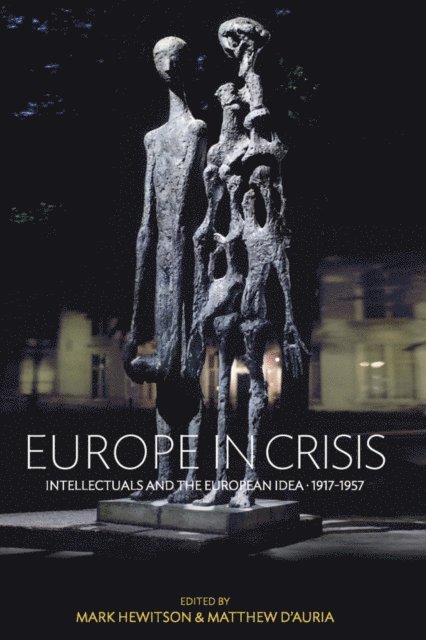
The period between 1917 and 1957, starting with the birth of the USSR and the American intervention in the First World War and ending with the Treaty of Rome, is of the utmost importance for contextualizing and understanding the intellectual origins of the European Community. During this time of ''crisis,'' many contemporaries, especially intellectuals, felt they faced a momentous decision which could bring about a radically different future. The understanding of what Europe was and what it should be was questioned in a profound way, forcing Europeans to react. The idea of a specifically European unity finally became, at least for some, a feasible project, not only to avoid another war but to avoid the destruction of the idea of European unity. This volume reassesses the relationship between ideas of Europe and the European project and reconsiders the impact of long and short-term political transformations on assumptions about the continent’s scope, nature, role and significance.
857 kr
Läs direkt efter köp
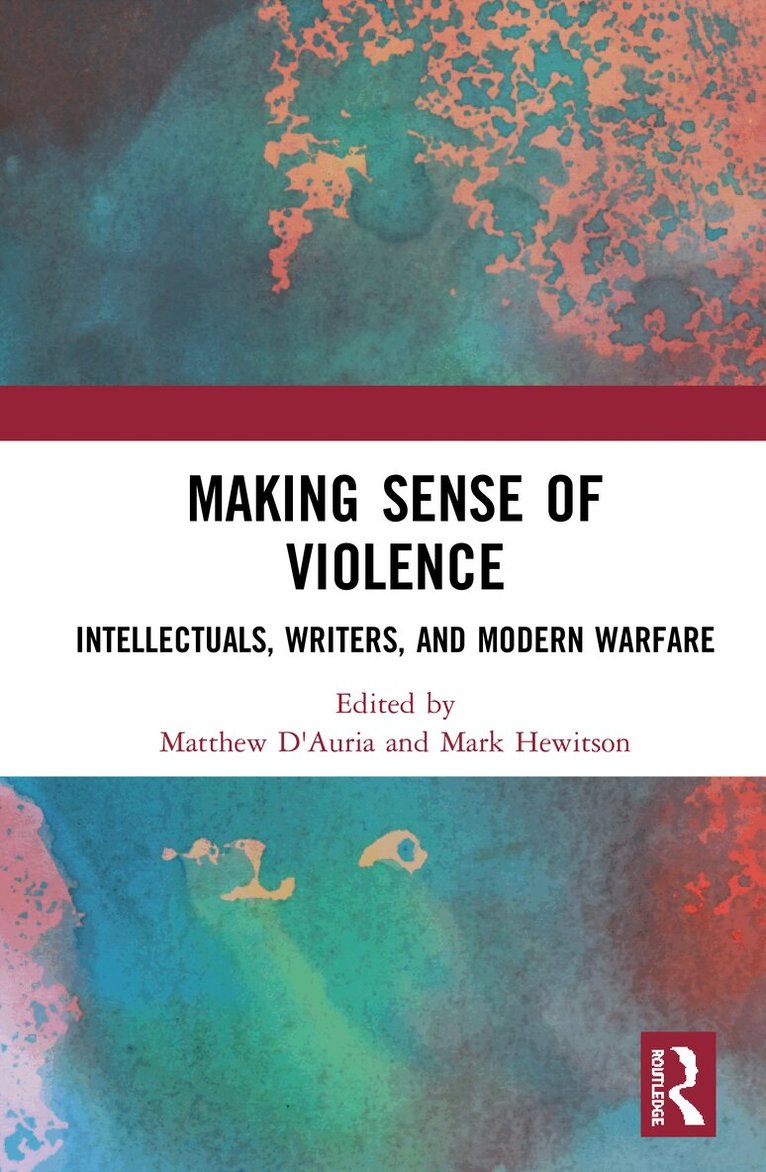
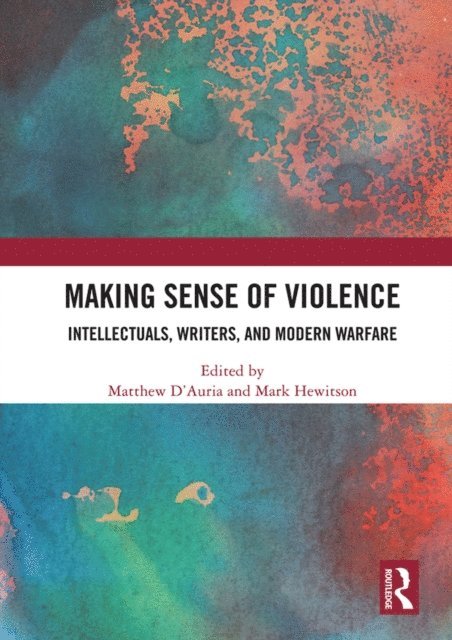
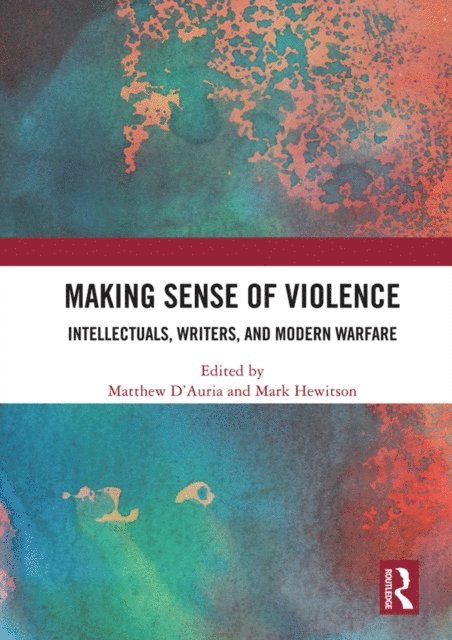
This book looks at the representations of modern war by analysing texts and examining the ways in which authors relate to the atrocious horrors of war.
Rejecting the assumption that violence is simply a denial of reason or, at best, a pathological form of collective sadism, this book considers it ‘a cultural act’ that needs to be understood as underpinned by a series of shared and accepted norms and values stemming from a society at a given moment of its history and shaped by its language. Traditional vocabulary and language seem inadequate to describe soldiers’ experience of modern warfare. The problem for writers is to depict and render intelligible a dramatically unprecedented reality through recourse to something familiar. For some historians and literary critics, the absurdity of the First World War has shaped our ironic and disenchanted reading of the entire twentieth century. Yet these ways of coping with the urge to communicate inexpressible feelings and emotions in most cases are not sufficient to overcome the incoherence of the sentiments felt and the events witnessed.
The contributors attempt to address the questions and issues that are posed by the highly ambiguous views, texts, and representations examined in this volume.
This book was originally published as a special issue of the journal European Review of History: Revue Européenne d’Histoire.
870 kr
Läs direkt efter köp
This book looks at the representations of modern war by analysing texts and examining the ways in which authors relate to the atrocious horrors of war.
Rejecting the assumption that violence is simply a denial of reason or, at best, a pathological form of collective sadism, this book considers it ‘a cultural act’ that needs to be understood as underpinned by a series of shared and accepted norms and values stemming from a society at a given moment of its history and shaped by its language. Traditional vocabulary and language seem inadequate to describe soldiers’ experience of modern warfare. The problem for writers is to depict and render intelligible a dramatically unprecedented reality through recourse to something familiar. For some historians and literary critics, the absurdity of the First World War has shaped our ironic and disenchanted reading of the entire twentieth century. Yet these ways of coping with the urge to communicate inexpressible feelings and emotions in most cases are not sufficient to overcome the incoherence of the sentiments felt and the events witnessed.
The contributors attempt to address the questions and issues that are posed by the highly ambiguous views, texts, and representations examined in this volume.
This book was originally published as a special issue of the journal European Review of History: Revue Européenne d’Histoire.
768 kr
Läs direkt efter köp
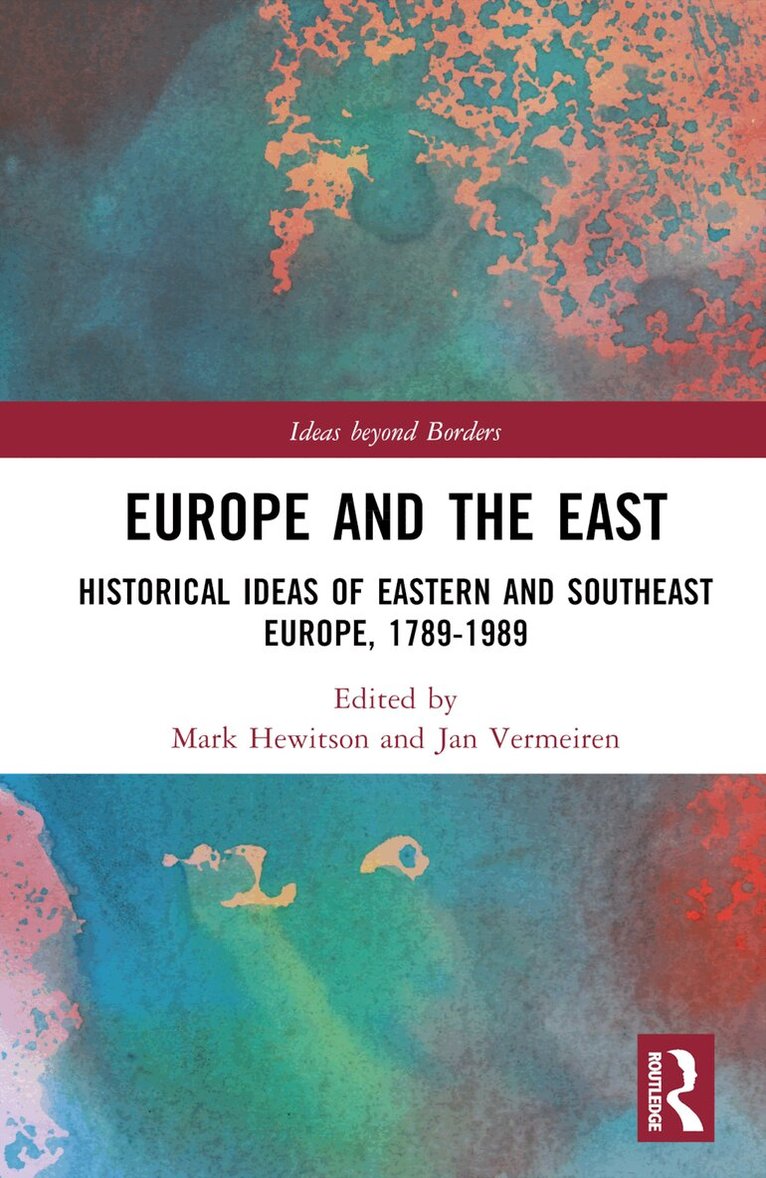
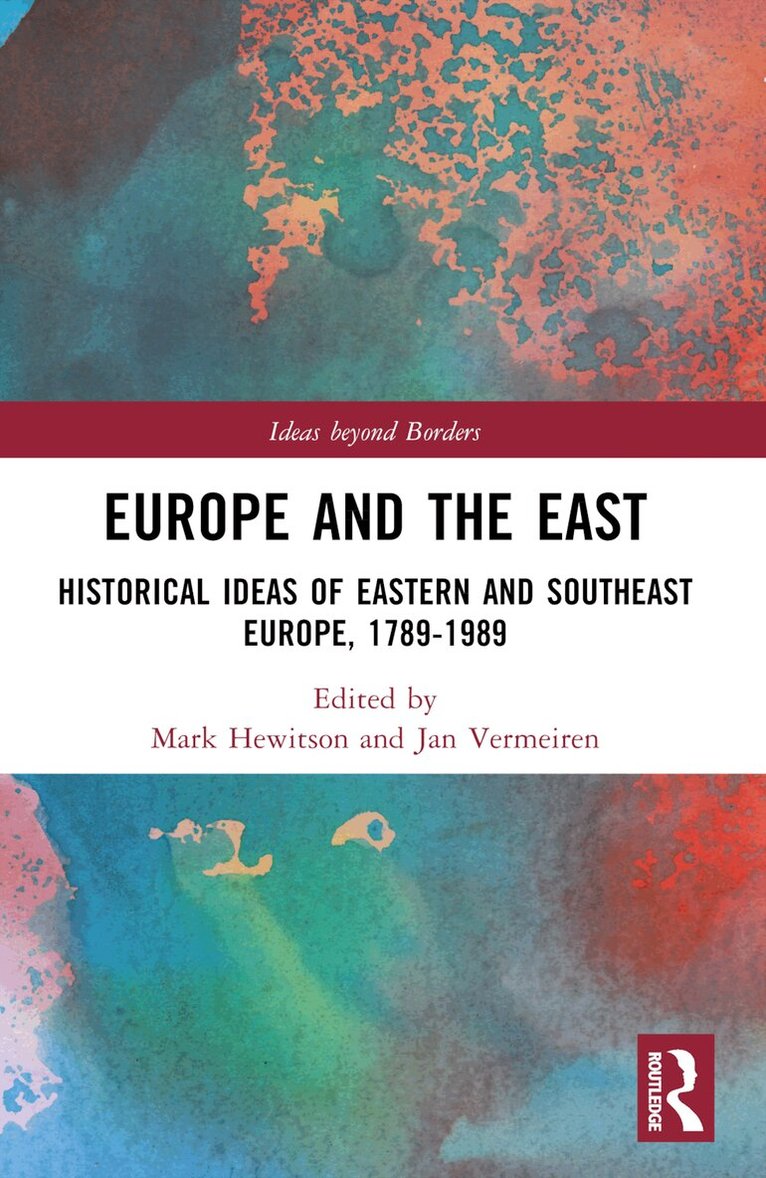
This volume investigates competing ideas, images, and stereotypes of a European ‘East’, exploring its role in defining European and national conceptions of self and other since the eighteenth century.
Through a set of original case studies, this collection explores the intersection between discourses about a more distant, exotic, or colonial ‘Orient’ with a more immediate ‘East’. The book considers this shifting, imaginary border from different points of view and demonstrates that the location, definition, and character of the ‘East’, often associated with socio-economic backwardness and other unfavourable attributes, depended on historical circumstances, political preferences, cultural assumptions, and geography. Spanning two centuries, this study analyses the ways that changing ideals and persistent clichéd attitudes have shaped the conversation about and interpretations of Eastern Europe.
Europe and the East will be essential reading for anyone interested in images and ideas of Europe, European identity, and conceptions of the ‘East’ in intellectual and cultural history.
779 kr
Läs direkt efter köp
This volume investigates competing ideas, images, and stereotypes of a European ‘East’, exploring its role in defining European and national conceptions of self and other since the eighteenth century.
Through a set of original case studies, this collection explores the intersection between discourses about a more distant, exotic, or colonial ‘Orient’ with a more immediate ‘East’. The book considers this shifting, imaginary border from different points of view and demonstrates that the location, definition, and character of the ‘East’, often associated with socio-economic backwardness and other unfavourable attributes, depended on historical circumstances, political preferences, cultural assumptions, and geography. Spanning two centuries, this study analyses the ways that changing ideals and persistent clichéd attitudes have shaped the conversation about and interpretations of Eastern Europe.
Europe and the East will be essential reading for anyone interested in images and ideas of Europe, European identity, and conceptions of the ‘East’ in intellectual and cultural history.
1 693 kr
Skickas inom 7-10 vardagar
582 kr
Skickas inom 7-10 vardagar
559 kr
Läs direkt efter köp
571 kr
Läs direkt efter köp