Hydrophilic Interaction Chromatography
A Guide for Practitioners
1 358 kr
Skickas inom 7-10 vardagar
A Guide for Practitioners
1 358 kr
Skickas inom 7-10 vardagar
1 478 kr
Skickas inom 7-10 vardagar
1 492 kr
Skickas inom 7-10 vardagar
1 727 kr
Läs direkt efter köp
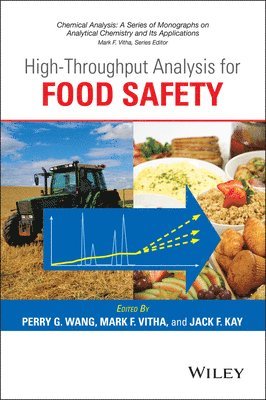
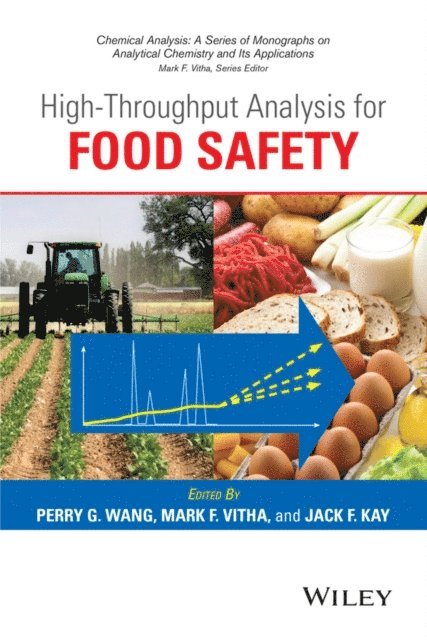
MEETS FSMA REQUIREMENTS WITH THE LATEST ADVANCES IN HIGH-THROUGHPUT SCREENING
High-Throughput Analysis for Food Safety addresses the fundamental concepts involved in the rapid screening for contaminants, including residual veterinary drugs, proteins, metals, hormones, pesticides, and adulterants. Addressing the need for—and requirements of—rapid screening tests, the book includes discussions of regulations and compliance issues from perspectives of both domestic and global industry and government contributors. The latest developments and most common techniques are focused on, with an emphasis on the applicability of both stand-alone mass spectrometry methods and coupled techniques. Beginning with a review of high-throughput analysis basics, the authors conduct a full exploration of mass spectrometry applications allowing readers to:
Survey GC-MS, LC-MS, stand-alone MS, and tandem MS methods in foodanalysis and contaminant screening Review quality control standards, method validation, and ongoing analyticalcontrol Examine the current methods used to detect veterinary medicinal productresidues in food, as well as future directionsRecentRecent incidents around the globe have turned the food industry toward high-throughput analysis, and the Food Safety Modernization Act has made it a legal requirement in the US. This resource provides an in-depth discussion of the latest advances in methods and instrumentation.
1 672 kr
Läs direkt efter köp
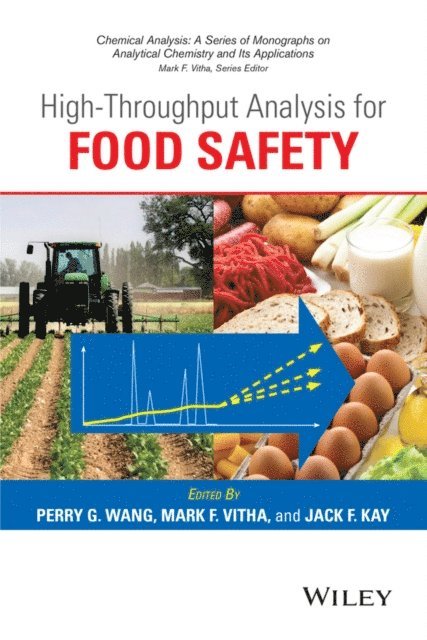
MEETS FSMA REQUIREMENTS WITH THE LATEST ADVANCES IN HIGH-THROUGHPUT SCREENING
High-Throughput Analysis for Food Safety addresses the fundamental concepts involved in the rapid screening for contaminants, including residual veterinary drugs, proteins, metals, hormones, pesticides, and adulterants. Addressing the need for—and requirements of—rapid screening tests, the book includes discussions of regulations and compliance issues from perspectives of both domestic and global industry and government contributors. The latest developments and most common techniques are focused on, with an emphasis on the applicability of both stand-alone mass spectrometry methods and coupled techniques. Beginning with a review of high-throughput analysis basics, the authors conduct a full exploration of mass spectrometry applications allowing readers to:
Survey GC-MS, LC-MS, stand-alone MS, and tandem MS methods in foodanalysis and contaminant screening Review quality control standards, method validation, and ongoing analyticalcontrol Examine the current methods used to detect veterinary medicinal productresidues in food, as well as future directionsRecentRecent incidents around the globe have turned the food industry toward high-throughput analysis, and the Food Safety Modernization Act has made it a legal requirement in the US. This resource provides an in-depth discussion of the latest advances in methods and instrumentation.
1 231 kr
Skickas inom 7-10 vardagar
1 417 kr
Läs direkt efter köp
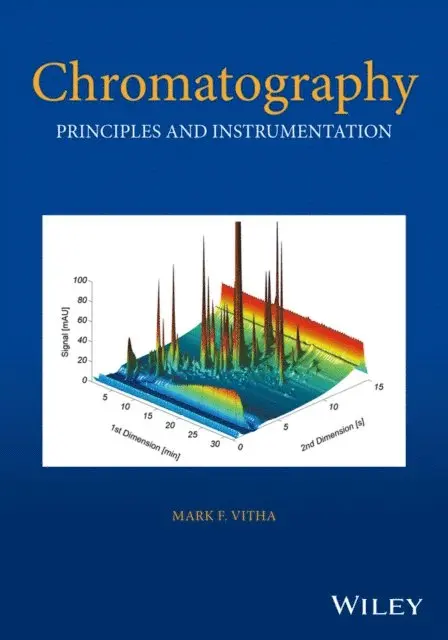
Provides students and practitioners with a solid grounding in the theory of chromatography, important considerations in its application, and modern instrumentation.
Highlights the primary variables that practitioners can manipulate, and how those variables influence chromatographic separations Includes multiple figures that illustrate the application of these methods to actual, complex chemical samples Problems are embedded throughout the chapters as well as at the end of each chapter so that students can check their understanding before continuing on to new sections Each section includes numerous headings and subheadings, making it easy for faculty and students to refer to and use the information within each chapter selectively The focused, concise nature makes it useful for a modular approach to analytical chemistry courses1 387 kr
Läs direkt efter köp
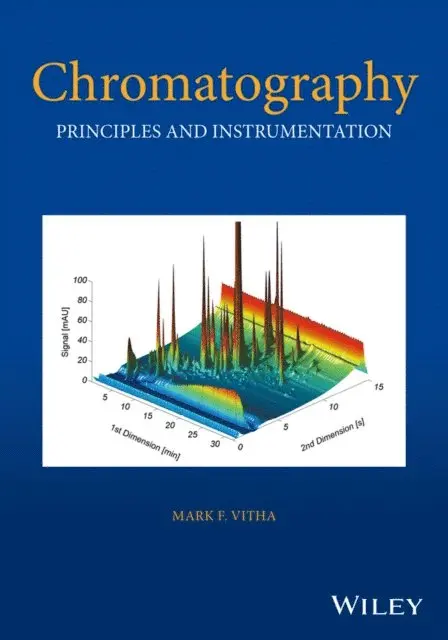
Provides students and practitioners with a solid grounding in the theory of chromatography, important considerations in its application, and modern instrumentation.
Highlights the primary variables that practitioners can manipulate, and how those variables influence chromatographic separations Includes multiple figures that illustrate the application of these methods to actual, complex chemical samples Problems are embedded throughout the chapters as well as at the end of each chapter so that students can check their understanding before continuing on to new sections Each section includes numerous headings and subheadings, making it easy for faculty and students to refer to and use the information within each chapter selectively The focused, concise nature makes it useful for a modular approach to analytical chemistry courses1 482 kr
Läs direkt efter köp
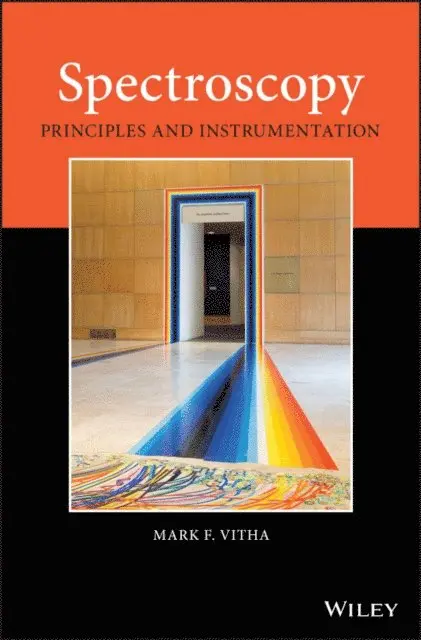
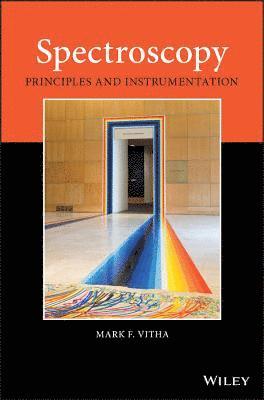
Provides students and practitioners with a comprehensive understanding of the theory of spectroscopy and the design and use of spectrophotometers
In this book, you will learn the fundamental principles underpinning molecular spectroscopy and the connections between those principles and the design of spectrophotometers.
Spectroscopy, along with chromatography, mass spectrometry, and electrochemistry, is an important and widely-used analytical technique. Applications of spectroscopy include air quality monitoring, compound identification, and the analysis of paintings and culturally important artifacts. This book introduces students to the fundamentals of molecular spectroscopy – including UV-visible, infrared, fluorescence, and Raman spectroscopy – in an approachable and comprehensive way. It goes beyond the basics of the subject and provides a detailed look at the interplay between theory and practice, making it ideal for courses in quantitative analysis, instrumental analysis, and biochemistry, as well as courses focused solely on spectroscopy. It is also a valuable resource for practitioners working in laboratories who regularly perform spectroscopic analyses.
Spectroscopy: Principles and Instrumentation:
Provides extensive coverage of principles, instrumentation, and applications of molecular spectroscopy Facilitates a modular approach to teaching and learning about chemical instrumentation Helps students visualize the effects that electromagnetic radiation in different regions of the spectrum has on matter Connects the fundamental theory of the effects of electromagnetic radiation on matter to the design and use of spectrophotometers Features numerous figures and diagrams to facilitate learning Includes several worked examples and companion exercises throughout each chapter so that readers can check their understanding Offers numerous problems at the end of each chapter to allow readers to apply what they have learned Includes case studies that illustrate how spectroscopy is used in practice, including analyzing works of art, studying the kinetics of enzymatic reactions, detecting explosives, and determining the DNA sequence of the human genome Complements Chromatography: Principles and InstrumentationThe book is divided into five chapters that cover the Fundamentals of Spectroscopy, UV-visible Spectroscopy, Fluorescence/Luminescence Spectroscopy, Infrared Spectroscopy, and Raman Spectroscopy. Each chapter details the theory upon which the specific techniques are based, provides ways for readers to visualize the molecular-level effects of electromagnetic radiation on matter, describes the design and components of spectrophotometers, discusses applications of each type of spectroscopy, and includes case studies that illustrate specific applications of spectroscopy.
Each chapter is divided into multiple sections using headings and subheadings, making it easy for readers to work through the book and to find specific information relevant to their interests. Numerous figures, exercises, worked examples, and end-of-chapter problems reinforce important concepts and facilitate learning.
Spectroscopy: Principles and Instrumentation is an excellent text that prepares undergraduate students and practitioners to operate in modern laboratories.
1 482 kr
Läs direkt efter köp
Provides students and practitioners with a comprehensive understanding of the theory of spectroscopy and the design and use of spectrophotometers
In this book, you will learn the fundamental principles underpinning molecular spectroscopy and the connections between those principles and the design of spectrophotometers.
Spectroscopy, along with chromatography, mass spectrometry, and electrochemistry, is an important and widely-used analytical technique. Applications of spectroscopy include air quality monitoring, compound identification, and the analysis of paintings and culturally important artifacts. This book introduces students to the fundamentals of molecular spectroscopy – including UV-visible, infrared, fluorescence, and Raman spectroscopy – in an approachable and comprehensive way. It goes beyond the basics of the subject and provides a detailed look at the interplay between theory and practice, making it ideal for courses in quantitative analysis, instrumental analysis, and biochemistry, as well as courses focused solely on spectroscopy. It is also a valuable resource for practitioners working in laboratories who regularly perform spectroscopic analyses.
Spectroscopy: Principles and Instrumentation:
Provides extensive coverage of principles, instrumentation, and applications of molecular spectroscopy Facilitates a modular approach to teaching and learning about chemical instrumentation Helps students visualize the effects that electromagnetic radiation in different regions of the spectrum has on matter Connects the fundamental theory of the effects of electromagnetic radiation on matter to the design and use of spectrophotometers Features numerous figures and diagrams to facilitate learning Includes several worked examples and companion exercises throughout each chapter so that readers can check their understanding Offers numerous problems at the end of each chapter to allow readers to apply what they have learned Includes case studies that illustrate how spectroscopy is used in practice, including analyzing works of art, studying the kinetics of enzymatic reactions, detecting explosives, and determining the DNA sequence of the human genome Complements Chromatography: Principles and InstrumentationThe book is divided into five chapters that cover the Fundamentals of Spectroscopy, UV-visible Spectroscopy, Fluorescence/Luminescence Spectroscopy, Infrared Spectroscopy, and Raman Spectroscopy. Each chapter details the theory upon which the specific techniques are based, provides ways for readers to visualize the molecular-level effects of electromagnetic radiation on matter, describes the design and components of spectrophotometers, discusses applications of each type of spectroscopy, and includes case studies that illustrate specific applications of spectroscopy.
Each chapter is divided into multiple sections using headings and subheadings, making it easy for readers to work through the book and to find specific information relevant to their interests. Numerous figures, exercises, worked examples, and end-of-chapter problems reinforce important concepts and facilitate learning.
Spectroscopy: Principles and Instrumentation is an excellent text that prepares undergraduate students and practitioners to operate in modern laboratories.
1 287 kr
Skickas inom 7-10 vardagar
1 706 kr
Läs direkt efter köp
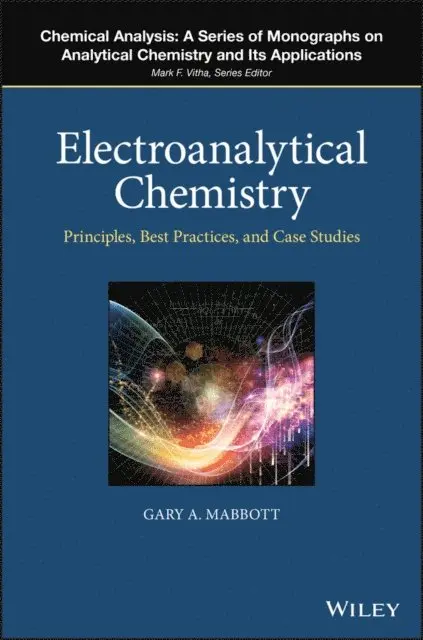
Provides a strong foundation in electrochemical principles and best practices
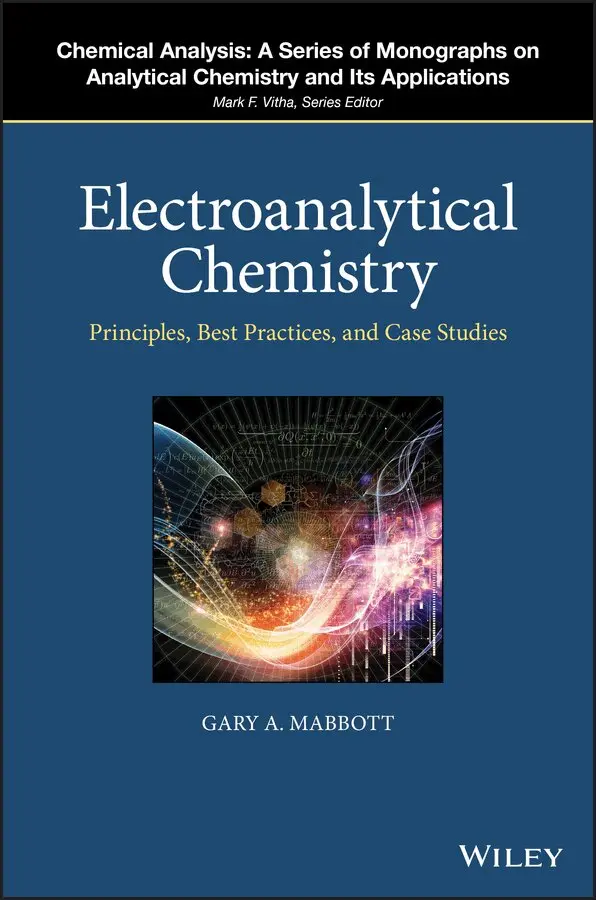
Written for undergraduate majors in chemistry and chemical engineering, this book teaches the basic principles of electroanalytical chemistry and illustrates best practices through the use of case studies of organic reactions and catalysis using voltammetric methods and of the measurement of clinical and environmental analytes by potentiometric techniques. It provides insight beyond the field of analysis as students address problems arising in many areas of science and technology. The book also emphasizes electrochemical phenomena and conceptual models to help readers understand the influence of experimental conditions and the interpretation of results for common potentiometric and voltammetric methods.
Electroanalytical Chemistry: Principles, Best Practices, and Case Studies begins by introducing some basic concepts in electrical phenomena. It then moves on to a chapter that examines the potentiometry of oxidation-reduction processes, followed by another on the potentiometry of ion selective electrodes. Other sections look at: applications of ion selective electrodes; controlled potential methods; case studies in controlled potential methods; and instrumentation. The book also features several appendixes covering: Ionic Strength, Activity and Activity Coefficients; The Nicolsky-Eisenman Equation; The Henderson Equation for Liquid Junction Potentials; Selected Standard Electrode Potentials; and The Nernst Equation Derivation.
Introduces the principles of modern electrochemical sensors and instrumental chemical analysis using potentiometric and voltammetric methods Develops conceptual models underlying electrochemical phenomena and useful equations Illustrates best practice with short case studies of organic reaction mechanisms using voltammetry and quantitative analysis with ion selective electrodes Offers instructors the opportunity to select focus areas and tailor the book to their course by providing a collection of shorter texts, each dedicated to a single field Intended as one of a series of modules for teaching undergraduate courses in instrumental chemical analysisElectroanalytical Chemistry: Principles, Best Practices, and Case Studies is an ideal textbook for undergraduate majors in chemistry and chemical engineering taking instrumental analysis courses. It would also benefit professional chemists who need an introduction to potentiometry or voltammetry.
1 532 kr
Skickas inom 11-20 vardagar
1 743 kr
Läs direkt efter köp
Provides a strong foundation in electrochemical principles and best practices
Written for undergraduate majors in chemistry and chemical engineering, this book teaches the basic principles of electroanalytical chemistry and illustrates best practices through the use of case studies of organic reactions and catalysis using voltammetric methods and of the measurement of clinical and environmental analytes by potentiometric techniques. It provides insight beyond the field of analysis as students address problems arising in many areas of science and technology. The book also emphasizes electrochemical phenomena and conceptual models to help readers understand the influence of experimental conditions and the interpretation of results for common potentiometric and voltammetric methods.
Electroanalytical Chemistry: Principles, Best Practices, and Case Studies begins by introducing some basic concepts in electrical phenomena. It then moves on to a chapter that examines the potentiometry of oxidation-reduction processes, followed by another on the potentiometry of ion selective electrodes. Other sections look at: applications of ion selective electrodes; controlled potential methods; case studies in controlled potential methods; and instrumentation. The book also features several appendixes covering: Ionic Strength, Activity and Activity Coefficients; The Nicolsky-Eisenman Equation; The Henderson Equation for Liquid Junction Potentials; Selected Standard Electrode Potentials; and The Nernst Equation Derivation.
Introduces the principles of modern electrochemical sensors and instrumental chemical analysis using potentiometric and voltammetric methods Develops conceptual models underlying electrochemical phenomena and useful equations Illustrates best practice with short case studies of organic reaction mechanisms using voltammetry and quantitative analysis with ion selective electrodes Offers instructors the opportunity to select focus areas and tailor the book to their course by providing a collection of shorter texts, each dedicated to a single field Intended as one of a series of modules for teaching undergraduate courses in instrumental chemical analysisElectroanalytical Chemistry: Principles, Best Practices, and Case Studies is an ideal textbook for undergraduate majors in chemistry and chemical engineering taking instrumental analysis courses. It would also benefit professional chemists who need an introduction to potentiometry or voltammetry.
John Wiley and Sons Ltd
1 784 kr
Tillfälligt slut