1 207 kr
Skickas inom 7-10 vardagar
1 207 kr
Skickas inom 7-10 vardagar
2 633 kr
Skickas inom 7-10 vardagar
2 633 kr
Skickas inom 7-10 vardagar
913 kr
Läs direkt efter köp
827 kr
Läs direkt efter köp
1 281 kr
Skickas inom 7-10 vardagar
1 125 kr
Läs direkt efter köp
3 281 kr
Skickas inom 7-10 vardagar
2 285 kr
Läs direkt efter köp
2 415 kr
Skickas inom 7-10 vardagar
2 100 kr
Läs direkt efter köp
1 655 kr
Läs direkt efter köp
2 629 kr
Skickas inom 7-10 vardagar
1 881 kr
Skickas inom 7-10 vardagar
1 678 kr
Läs direkt efter köp
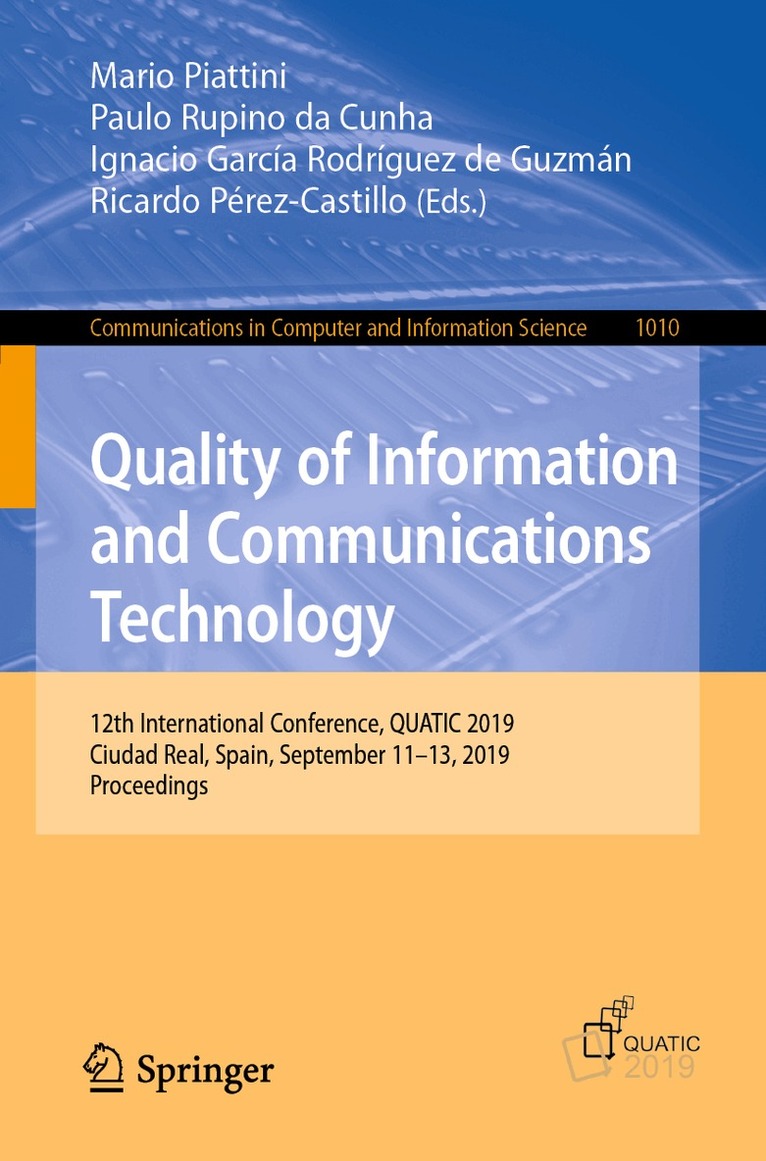
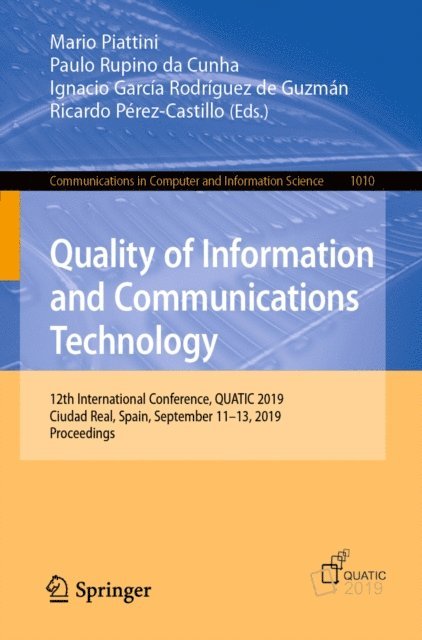
12th International Conference, QUATIC 2019, Ciudad Real, Spain, September 11–13, 2019, Proceedings
858 kr
Skickas inom 10-15 vardagar
1 067 kr
Läs direkt efter köp
This book constitutes the refereed proceedings of the 12th International Conference on the Quality of Information and Communications Technology, QUATIC 2019, held in Ciudad Real, Spain, in September 2019.
The 19 full papers and 6 short papers were carefully reviewed and selected from 66 submissions. The papers are organized in topical sections: security & privacy, requirements engineering, business processes, evidence-based software engineering, process improvement and assessment, model-driven engineering & software maintenance, data science & services, and verification and validation.
1 524 kr
Skickas inom 10-15 vardagar
2 005 kr
Läs direkt efter köp
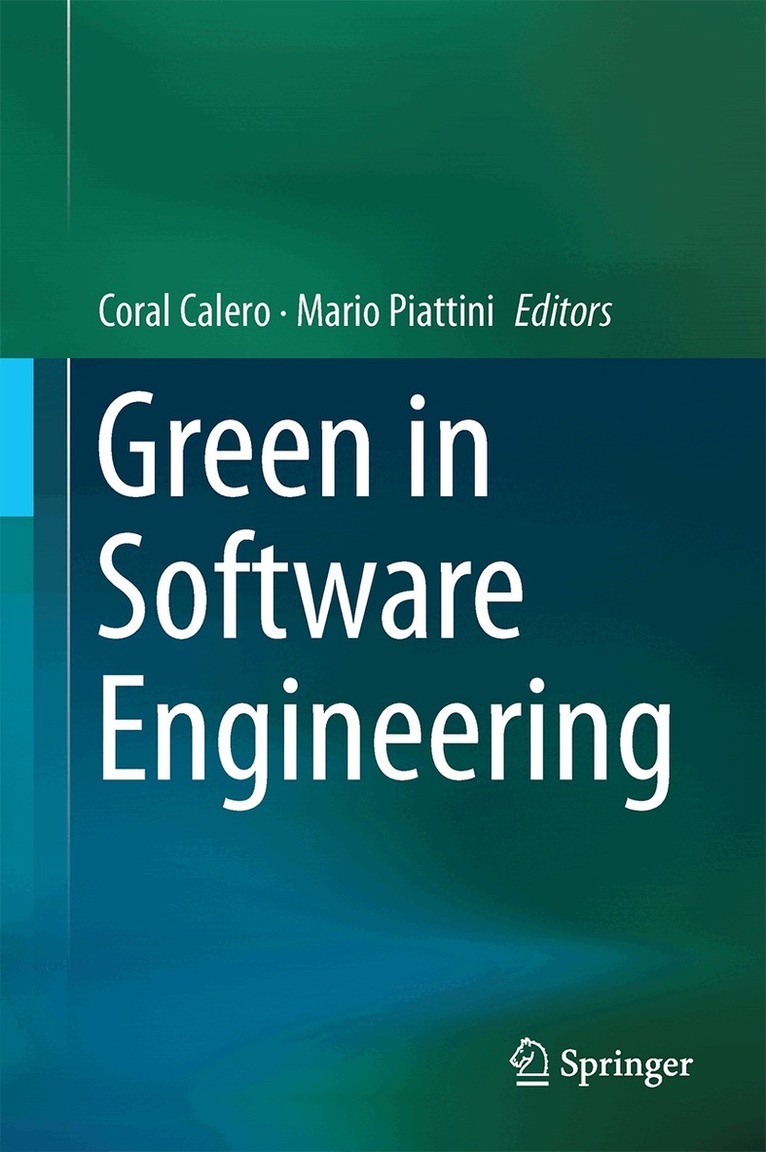
This book focuses on software sustainability, regarded in terms of how software is or can be developed while taking into consideration environmental, social, and economic dimensions. The sixteen chapters cover various related issues ranging from technical aspects like energy-efficient programming techniques, formal proposals related to energy efficiency measurement, patterns to build energy-efficient software, the role of developers on energy efficient software systems and tools for detecting and refactoring code smells/energy bugs; to human aspects like its impact on software sustainability or the adaptation of ACM/IEEE guidelines for student and professional education and; and an economics-driven architectural evaluation for sustainability. Also aspects as the elements of governance and management that organizations should consider when implementing, assessing and improving Green IT or the relationship between software sustainability and the Corporate Social Responsibility of software companies are included. The chapters are complemented by usage scenarios and experience reports on several domains as cloud applications, agile development or e-Health, among others. As a whole, the chapters provide a complete overview of the various issues related to sustainable software development.
The target readership for this book includes CxOs, (e.g. Chief Information Officers, Chief Executive Officers, Chief Technology Officers, etc.) software developers, software managers, auditors, business owners, and quality professionals. It is also intended for students of software engineering and information systems, and software researchers who want to know the state of the art regarding software sustainability.
1 524 kr
Skickas inom 10-15 vardagar
1 312 kr
Skickas inom 10-15 vardagar
1 772 kr
Läs direkt efter köp
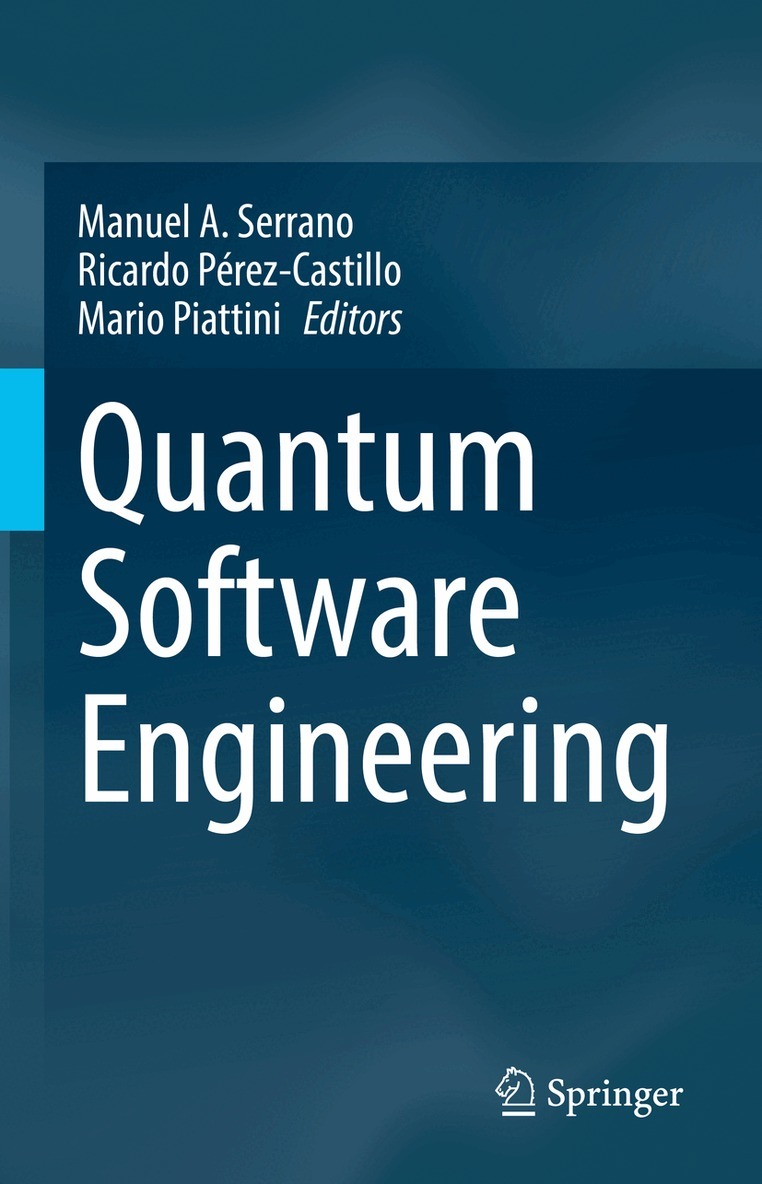
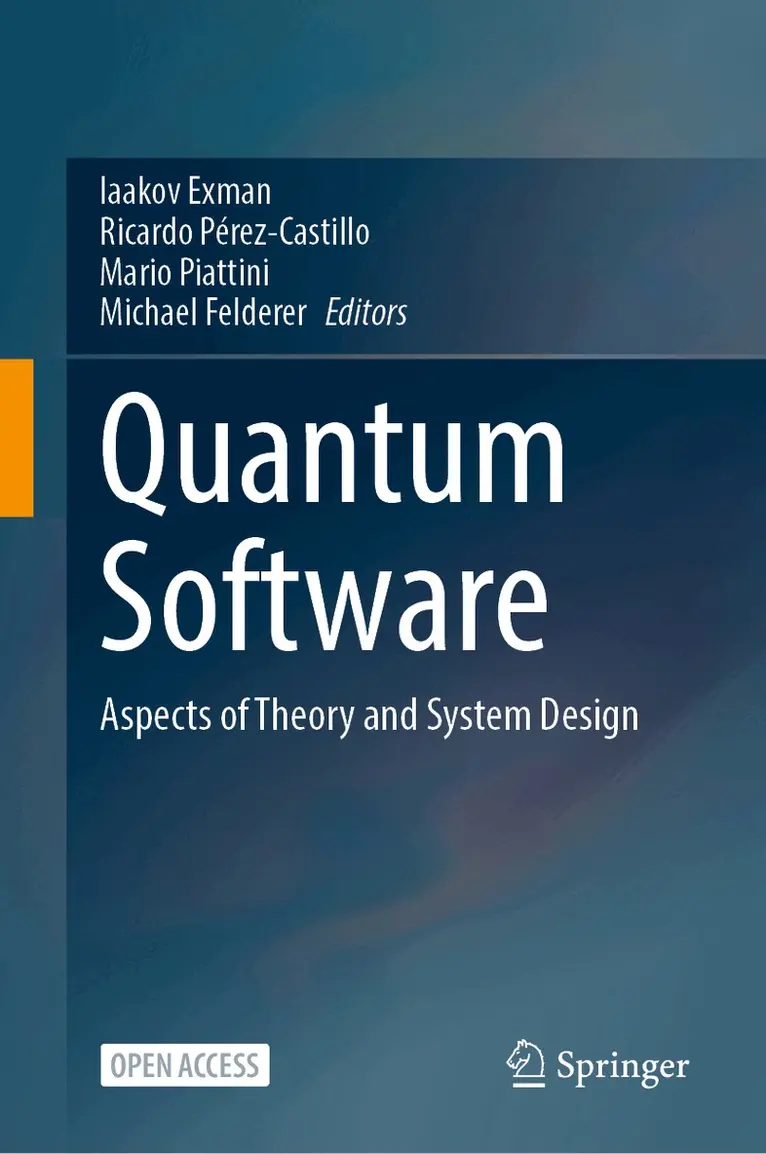
This book presents a set of software engineering techniques and tools to improve the productivity and assure the quality in quantum software development. Through the collaboration of the software engineering community with the quantum computing community new architectural paradigms for quantum-enabled computing systems will be anticipated and developed.
The book starts with a chapter that introduces the main concepts and general foundations related to quantum computing. This is followed by a number of chapters dealing with the quantum software engineering methods and techniques. Topics like the Talavera Manifesto for quantum software engineering, frameworks for hybrid systems, formal methods for quantum software engineering, quantum software modelling languages, and reengineering for quantum software are covered in this part. A second set of chapters then deals with quantum software environments and tools, detailing platforms like QuantumPath®, Classiq as well as quantum software frameworks for deep learning.
Overall, the book aims at academic researchers and practitioners involved in the creation of quantum information systems and software platforms. It is assumed that readers have a background in traditional software engineering and information systems.
1 312 kr
Skickas inom 10-15 vardagar
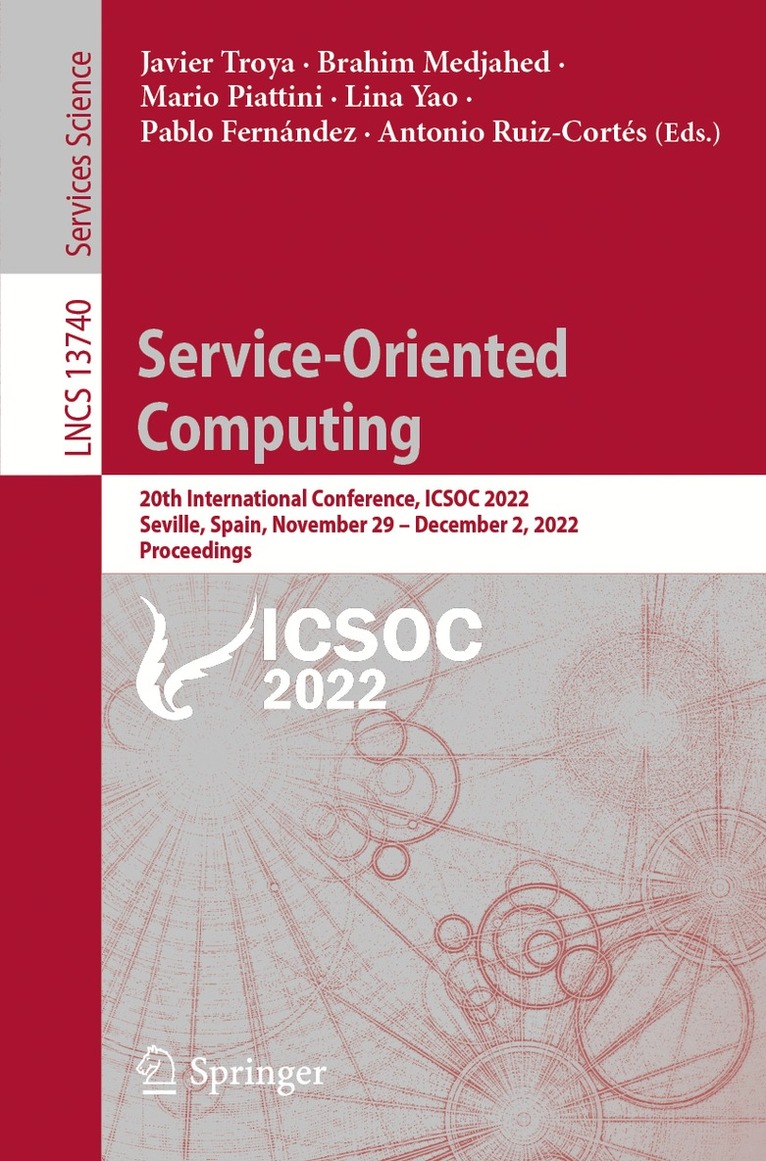
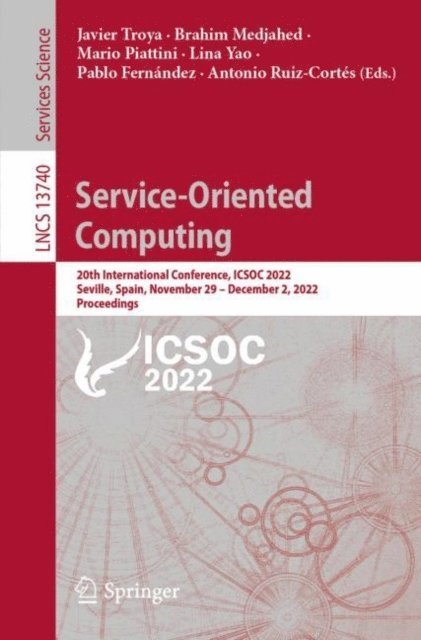
20th International Conference, ICSOC 2022, Seville, Spain, November 29 – December 2, 2022, Proceedings
1 127 kr
Skickas inom 10-15 vardagar
1 492 kr
Läs direkt efter köp
The 29 full, 15 short, and 4 vision papers included in this volume were carefully reviewed and selected from 221 submissions. They were organized in topical sections named: service modeling and mining; quality of service; microservices; service personalization, recommendation, and crowdsourcing; blockchain; IoT and green computing; services for cloud, edge, and fog computing; artificial intelligence and machine learning for service computing; vision papers.
1 747 kr
Skickas inom 10-15 vardagar
2 274 kr
Läs direkt efter köp
This book presents a set of models, methods, and techniques that allow the successful implementation of data governance (DG) in an organization and reports real experiences of data governance in different public and private sectors.
To this end, this book is composed of two parts. Part I on “Data Governance Fundamentals” begins with an introduction to the concept of data governance that stresses that DG is not primarily focused on databases, clouds, or other technologies, but that the DG framework must be understood by business users, systems personnel, and the systems themselves alike. Next, chapter 2 addresses crucial topics for DG, such as the evolution of data management in organizations, data strategy and policies, and defensive and offensive approaches to data strategy. Chapter 3 then details the central role that human resources play in DG, analysing the key responsibilities of the different DG-related roles and boards, while chapter 4 discusses the most common barriers to DG in practice. Chapter 5 summarizes the paradigm shifts in DG from control to value creation. Subsequently chapter 6 explores the needs, characteristics and key functionalities of DG tools, before this part ends with a chapter on maturity models for data governance. Part II on “Data Governance Applied” consists of five chapters which review the situation of DG in different sectors and industries. Details about DG in the banking sector, public administration, insurance companies, healthcare and telecommunications each are presented in one chapter.
The book is aimed at academics, researchers and practitioners (especially CIOs, Data Governors, or Data Stewards) involved in DG. It can also serve as a reference for courses on data governance in information systems.

1 747 kr
Skickas inom 10-15 vardagar
549 kr
Skickas inom 10-15 vardagar
1 239 kr
Skickas inom 10-15 vardagar