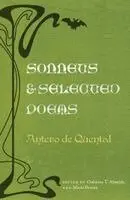
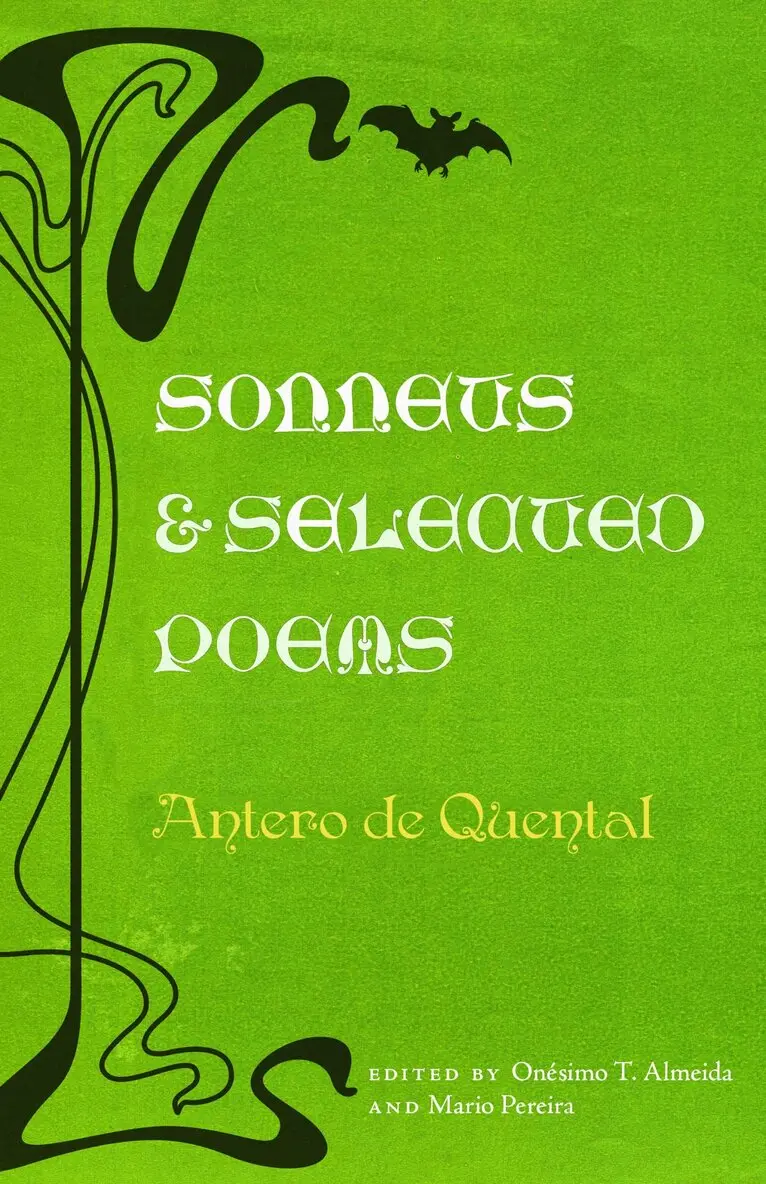
Grappling with metaphysical questions of suffering, death, and infinity, Antero de Quental’s sonnets have been widely celebrated by writers and intellectuals around the world, with Fernando Pessoa calling him “one of the greatest poets of the nineteenth century.” Irreverent and nonconformist, Antero became the ideologue and moving spirit behind the group of progressive intellectuals known as the Generation of 1870 who rebelled against tradition and attempted to reverse Portugal’s intellectual stagnation. This is the first bilingual (Portuguese-English) edition of Antero's sonnets and poems, as well as the first to assemble the translations by Aubrey F. G. Bell, Roy Campbell, Richard Garnett, George Monteiro, S. Griswold Morley, Fernando Pessoa, Edgar Prestage, and Richard Zenith in a single volume.
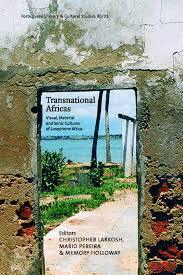
This issue of Portuguese Literary & Cultural Studies focuses on the visual, material, and sonic cultures of Lusophone Africa from the precolonial period to the contemporary moment and seeks to complicate current understandings of Lusophone Africa that are based on colonial and postindependence national borders.
Grappling with metaphysical questions of suffering, death, and infinity, Antero de Quental's sonnets have been widely celebrated by writers and intellectuals around the world, with Fernando Pessoa calling him "one of the greatest poets of the nineteenth century." Irreverent and nonconformist, de Quental became the ideologue and moving spirit behind the group of progressive intellectuals known as the Generation of 1870 who rebelled against tradition and attempted to reverse Portugal's intellectual stagnation. This is the first bilingual (Portuguese-English) edition of de Quental's sonnets and poems, as well as the first to assemble the translations by Aubrey F. G. Bell, Roy Campbell, Richard Garnett, George Monteiro, S. Griswold Morley, Fernando Pessoa, and Edgar Prestage in a single volume.