2 870 kr
Skickas inom 10-15 vardagar
2 870 kr
Skickas inom 10-15 vardagar
1 347 kr
Skickas inom 10-15 vardagar
1 911 kr
Skickas inom 10-15 vardagar
677 kr
Skickas inom 10-15 vardagar
779 kr
Läs direkt efter köp
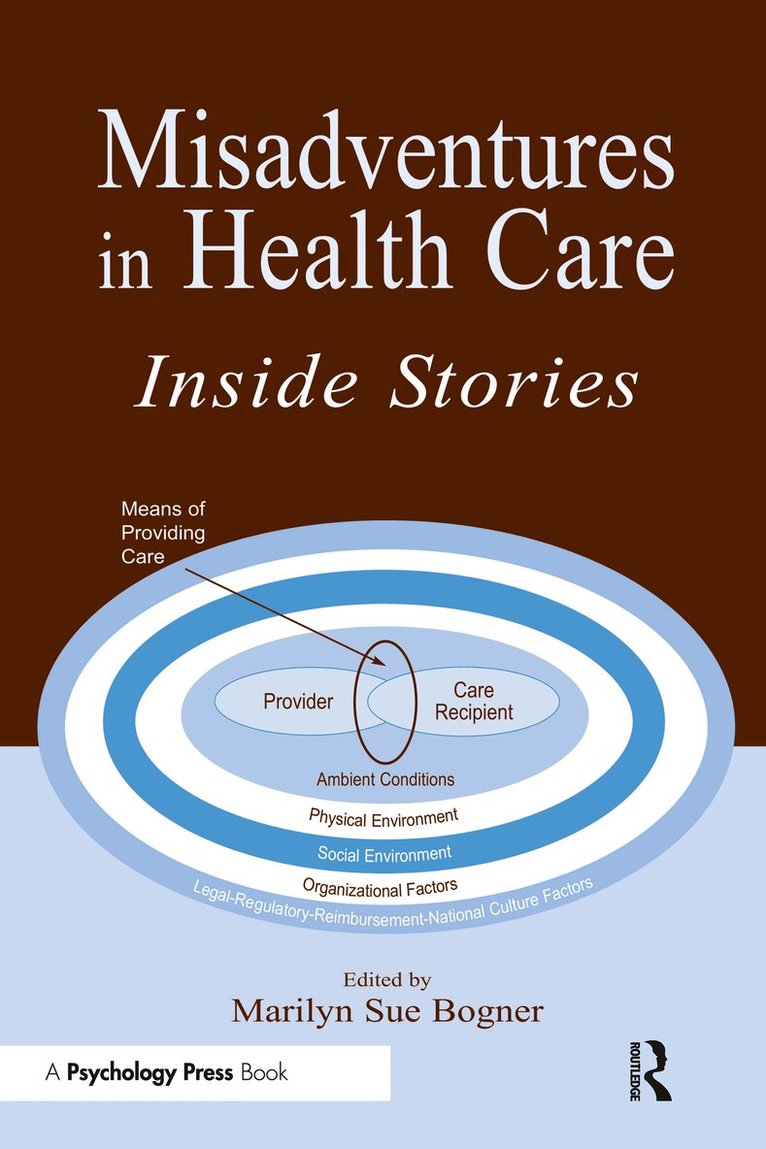
Misadventures in Health Care: Inside Stories presents an alternative approach to attributing the cause of medical error solely to the health care provider. That alternative, the systems approach, pursues why an incident occurs in terms of factors in the context of care that affect the care provider to induce an error. The basis for this approach is the fact that an error is an act, an act is behavior, and behavior is a function of the person interacting with the environment. Eleven vignettes illustrate the importance of the systems approach by describing health care incidents from the perspective of the care providers--the perspective that can identify the factors that actually affect the provider. These stories provide general readers with opportunities to apply their knowledge in analyzing incidents to identify error-inducing factors. This book is important reading for policymakers, researchers and practitioners in law and in all medical specialties, and professionals in the social sciences, human factors, and engineering. In addition to sensitizing the reader to the importance of contextual factors in error, Misadventures in Health Care is a case study reference to supplement texts in professional schools such as law and medicine, as well as the full range of academic disciplines. It also is important reading for the general public because it presents an approach for addressing a very pressing social problem-- that of misadventures in health care.
785 kr
Läs direkt efter köp
Misadventures in Health Care: Inside Stories presents an alternative approach to attributing the cause of medical error solely to the health care provider. That alternative, the systems approach, pursues why an incident occurs in terms of factors in the context of care that affect the care provider to induce an error. The basis for this approach is the fact that an error is an act, an act is behavior, and behavior is a function of the person interacting with the environment. Eleven vignettes illustrate the importance of the systems approach by describing health care incidents from the perspective of the care providers--the perspective that can identify the factors that actually affect the provider. These stories provide general readers with opportunities to apply their knowledge in analyzing incidents to identify error-inducing factors. This book is important reading for policymakers, researchers and practitioners in law and in all medical specialties, and professionals in the social sciences, human factors, and engineering. In addition to sensitizing the reader to the importance of contextual factors in error, Misadventures in Health Care is a case study reference to supplement texts in professional schools such as law and medicine, as well as the full range of academic disciplines. It also is important reading for the general public because it presents an approach for addressing a very pressing social problem-- that of misadventures in health care.
1 124 kr
Läs direkt efter köp
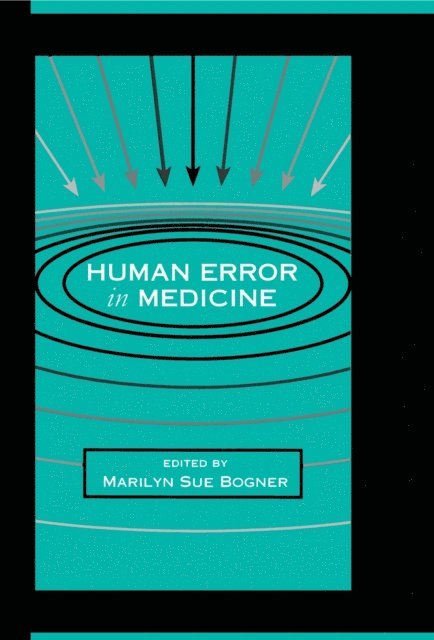
This edited collection of articles addresses aspects of medical care in which human error is associated with unanticipated adverse outcomes. For the purposes of this book, human error encompasses mismanagement of medical care due to: * inadequacies or ambiguity in the design of a medical device or institutional setting for the delivery of medical care; * inappropriate responses to antagonistic environmental conditions such as crowding and excessive clutter in institutional settings, extremes in weather, or lack of power and water in a home or field setting; * cognitive errors of omission and commission precipitated by inadequate information and/or situational factors -- stress, fatigue, excessive cognitive workload. The first to address the subject of human error in medicine, this book considers the topic from a problem oriented, systems perspective; that is, human error is considered not as the source of the problem, but as a flag indicating that a problem exists. The focus is on the identification of the factors within the system in which an error occurs that contribute to the problem of human error. As those factors are identified, efforts to alleviate them can be instituted and reduce the likelihood of error in medical care. Human error occurs in all aspects of human activity and can have particularly grave consequences when it occurs in medicine. Nearly everyone at some point in life will be the recipient of medical care and has the possibility of experiencing the consequences of medical error. The consideration of human error in medicine is important because of the number of people that are affected, the problems incurred by such error, and the societal impact of such problems. The cost of those consequences to the individuals involved in medical error, both in the health care providers'' concern and the patients'' emotional and physical pain, the cost of care to alleviate the consequences of the error, and the cost to society in dollars and in lost personal contributions, mandates consideration of ways to reduce the likelihood of human error in medicine. The chapters were written by leaders in a variety of fields, including psychology, medicine, engineering, cognitive science, human factors, gerontology, and nursing. Their experience was gained through actual hands-on provision of medical care and/or research into factors contributing to error in such care. Because of the experience of the chapter authors, their systematic consideration of the issues in this book affords the reader an insightful, applied approach to human error in medicine -- an approach fortified by academic discipline.
1 116 kr
Läs direkt efter köp
This edited collection of articles addresses aspects of medical care in which human error is associated with unanticipated adverse outcomes. For the purposes of this book, human error encompasses mismanagement of medical care due to: * inadequacies or ambiguity in the design of a medical device or institutional setting for the delivery of medical care; * inappropriate responses to antagonistic environmental conditions such as crowding and excessive clutter in institutional settings, extremes in weather, or lack of power and water in a home or field setting; * cognitive errors of omission and commission precipitated by inadequate information and/or situational factors -- stress, fatigue, excessive cognitive workload. The first to address the subject of human error in medicine, this book considers the topic from a problem oriented, systems perspective; that is, human error is considered not as the source of the problem, but as a flag indicating that a problem exists. The focus is on the identification of the factors within the system in which an error occurs that contribute to the problem of human error. As those factors are identified, efforts to alleviate them can be instituted and reduce the likelihood of error in medical care. Human error occurs in all aspects of human activity and can have particularly grave consequences when it occurs in medicine. Nearly everyone at some point in life will be the recipient of medical care and has the possibility of experiencing the consequences of medical error. The consideration of human error in medicine is important because of the number of people that are affected, the problems incurred by such error, and the societal impact of such problems. The cost of those consequences to the individuals involved in medical error, both in the health care providers'' concern and the patients'' emotional and physical pain, the cost of care to alleviate the consequences of the error, and the cost to society in dollars and in lost personal contributions, mandates consideration of ways to reduce the likelihood of human error in medicine. The chapters were written by leaders in a variety of fields, including psychology, medicine, engineering, cognitive science, human factors, gerontology, and nursing. Their experience was gained through actual hands-on provision of medical care and/or research into factors contributing to error in such care. Because of the experience of the chapter authors, their systematic consideration of the issues in this book affords the reader an insightful, applied approach to human error in medicine -- an approach fortified by academic discipline.