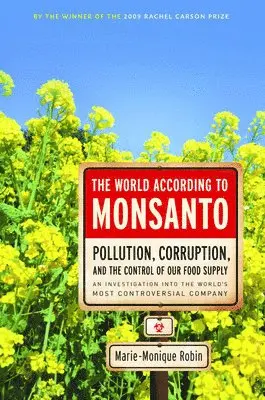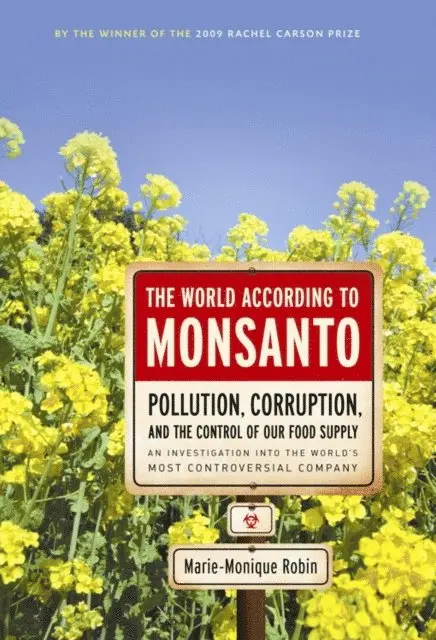
An investigation of the massive agribusiness company, from a winner of the Rachel Carson Prize: "Well supported by wide-ranging scientific evidence." —Kirkus Reviews The result of a remarkable three-year-long investigation that took award-winning journalist and documentary filmmaker Marie-Monique Robin across four continents, The World According to Monsanto tells the little-known yet shocking story of this agribusiness giant—the world''s leading producer of GMOs (genetically modified organisms)—and how its new "green" face is no less malign than its PCB- and Agent Orange–soaked past. Robin reports that, following its long history of manufacturing hazardous chemicals and lethal herbicides, Monsanto is now marketing itself as a "life sciences" company, seemingly convinced about the virtues of sustainable development. However, Monsanto now controls the majority of the yield of the world''s genetically modified corn and soy—ingredients found in more than 95 percent of American households—and its alarming legal and political tactics to maintain this monopoly are the subject of worldwide concern. Released alongside the documentary film of the same name, The World According to Monsanto is sure to change the way we think about food safety and the corporate control of our food supply.
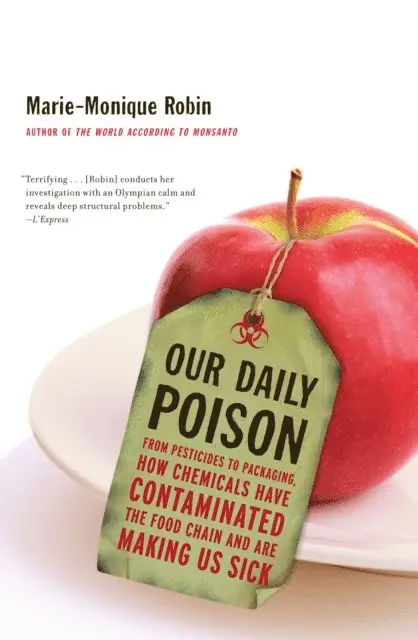
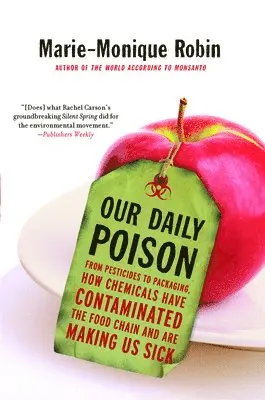
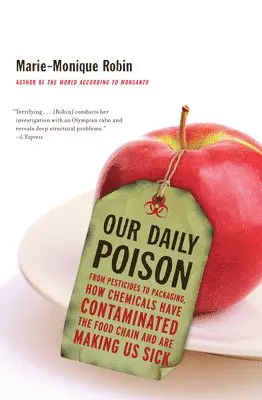
"An enlightening and deeply disturbing account" of the dangerous chemicals that have infiltrated our food, by the Rachel Carson Prize–winning journalist (Booklist). Our Daily Poison is "a gripping and urgent book" for anyone concerned about democracy, corporate power, or public health (Raj Patel, author of Stuffed and Starved). In it, award-winning journalist and filmmaker Marie-Monique Robin travels across North America, Europe, and Asia to document the shocking array of chemicals we encounter in our daily lives—from the pesticides that blanket our crops to the additives and plastics that contaminate our food—and their effects on our health over time. Following the trail of the synthetic molecules in our environment and our food, Robin traces the ugly history of industrial chemical production, as well as the shoddy regulatory system for chemical products that still operates today. Using scientific studies, expert testimony, and interviews with farmworkers suffering from acute chronic poisoning, Robin demonstrates how corporate interests—and our own ignorance—may be costing us our lives. "What Rachel Carson''s groundbreaking Silent Spring did for the environmental movement, Robin is doing for awareness of toxins in the food chain." —Publishers Weekly "This may be one of the most important books of the year." —Kirkus Reviews "Full of facts, stories, and wisdom." —The Huffington Post
The result of a rigorous two-year investigation that took Robin across three continents, Our Daily Poison documents the many ways in which we encounter a shocking array of chemicals in our everyday lives - from the pesticides that blanket our crops to the additives and plastics that contaminate our food - and their effects on our bodies over time. Gathering as evidence scientific studies, testimonies of international regulatory agencies and interviews with farm workers suffering from acute chronic poisoning, Robin makes a compelling case for outrage and action.
The World According To Monsanto tells the shocking story of how the new green face of the world's leading producer of GMOs (genetically modified organisms) is no less malign than its PCB - and Agent Orange - soaked past. Award-winning journalist and documentary filmaker Marie-Monique Robin uncovers the disturbing practices of the multinational agribusiness corporation Monsanto - who control the majority of the world's genetically modified corn and soy yield. Robin's investigation is an explosive expose on the world's most influential agricultural corporation.
The result of a rigorous two-year investigation that took Robin across three continents, Our Daily Poison documents the many ways in which we encounter a shocking array of chemicals in our everyday lives - from the pesticides that blanket our crops to the additives and plastics that contaminate our food - and their effects on our bodies over time. Gathering as evidence scientific studies, testimonies of international regulatory agencies and interviews with farm workers suffering from acute chronic poisoning, Robin makes a compelling case for outrage and action.