216 kr
Skickas inom 7-10 vardagar
216 kr
Skickas inom 7-10 vardagar
432 kr
Läs direkt efter köp
250 kr
Skickas inom 7-10 vardagar
309 kr
Skickas inom 7-10 vardagar
269 kr
Skickas inom 7-10 vardagar
Honored by Library Journal as an "Amazing Poetry Title"
“Extraordinary how in a single poem from 2013 Kingsley Tufts Poetry Award winner Boruch slides 1800s London barber-surgeons and the dissection of murderers only (condemned to hell anyway) to the observation, ‘Future or past, it's all we ever think about.' The first part of this sharp, surprising book captures our inescapable but slippery physicality in the world, the second the breakdown of the cadaver of a 99-year-old woman—told from her perspective, rather jauntily."—Library Journal
“Boruch displays a quietly gymnastic intellect in the examinations of art, the body, and the human condition."—American Poets
"Marianne Boruch's work has the wonderful, commanding power of true attention: she sees and considers with intensity."—The Washington Post
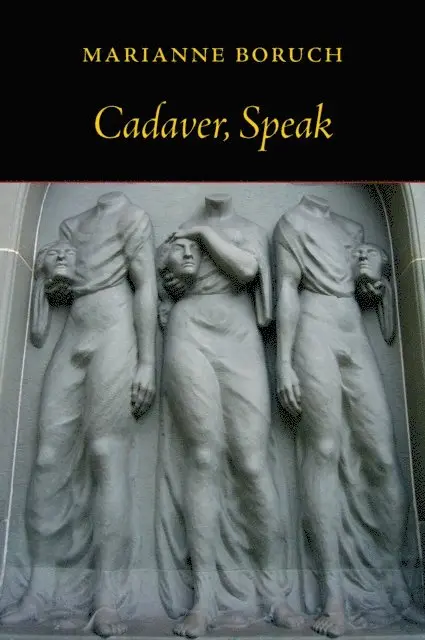
"Some books begin as a dare to the self," notes poet Marianne Boruch. Inspired by life-study drawing classes and direct work in a cadaver lab, Boruch's latest book looks at what the body holds, and examines living through bodies deceased.
Marianne Boruch is the author of seven collections of poetry including The Book of Hours (Copper Canyon Press), two volumes of essays, and a memoir. In 2013 she won the Kingsley Tufts Poetry Award. She lives in West Lafayette, Indiana.
257 kr
Skickas inom 7-10 vardagar
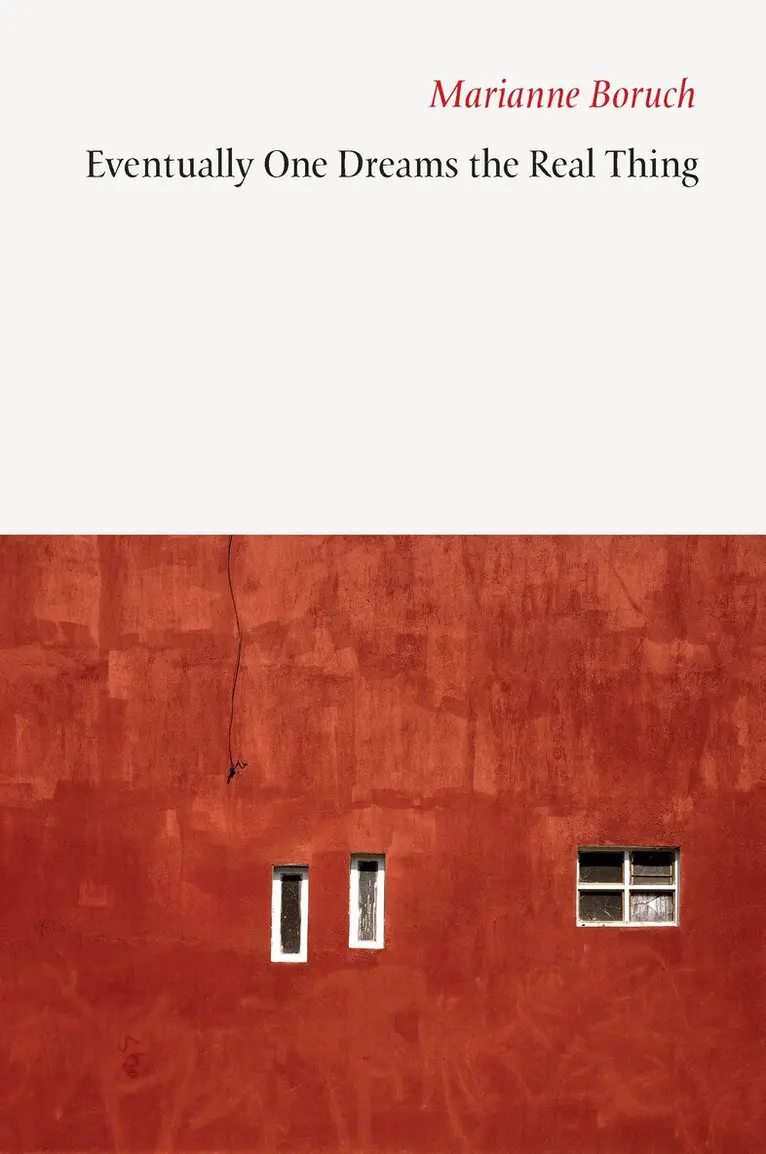
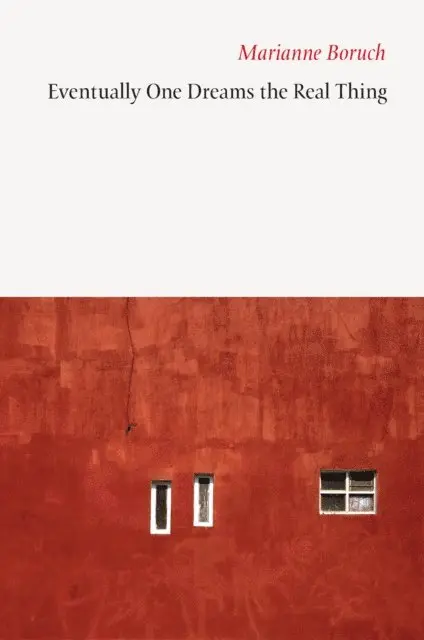
A starred review in Library Journal says this about Eventually One Dreams the Real Thing: “Only a poet as accomplished as Boruch could make such beautiful verse while leading us through the everyday, of life's subtle, steady shiftings (‘the bird's hunger, seeking shape'). If the opening image of a pool filled with cruelly dredged up roses bespeaks quiet assent (‘I stood before them the way an animal/ accepts sun'), the next poem turns immediately to progress (and hence progression) as a modern invention beyond the heaven-and-hell alternatives; finally, the poet concedes, ‘I lose track of my transitions.' In fact, transition defines us. Here, a static painting gives way to ‘between and among,' a simple typeface never yields a perfect copy, and even in a medieval score, two exquisite quavers are connected by a slur. Highly recommended."
"Marianne Boruch's work has the wonderful, commanding power of true attention: She sees and considers with intensity."—The Washington Post
"Boruch refuses to see more than there is in things—but her patience, her willingness to wait for the film of familiarity to slip, allows her to see what is there with a jeweler's sense of facet and flaw."—Poetry
In her tenth volume of poetry, Marianne Boruch displays a historical omnipresence, as she converses with Dickinson, envisions Turner painting, and empathizes with Arthur Conan Doyle. She looks unabashedly at the brutality of recent history, from drone warfare to the disaster in New Orleans from Hurricane Katrina. Poems that turn her gaze towards childhood, nature, animals, and her own poetics are patches of light in the collection's chiaroscuro.
From "Before and Every After":
Eventually one dreams the real thing.
The cave as it was, what we paid to straddlea skinny box-turned-seat down the middle, narrow boatmade special for the state park, the wet, the tricky
passing into rock and underground river.
A single row of strangers faced front, each of usbehind another closeas dominoes to fall or we were angels lined uppolitely, pre-flight…
Marianne Boruch is the author of ten collections of poetry. She is the 2013 recipient of the Kingsley Tufts Poetry Award, and has taught at Purdue University since the inception of their MFA program. She lives in West Lafayette, Indiana.

172 kr
Skickas inom 7-10 vardagar
216 kr
Skickas inom 7-10 vardagar
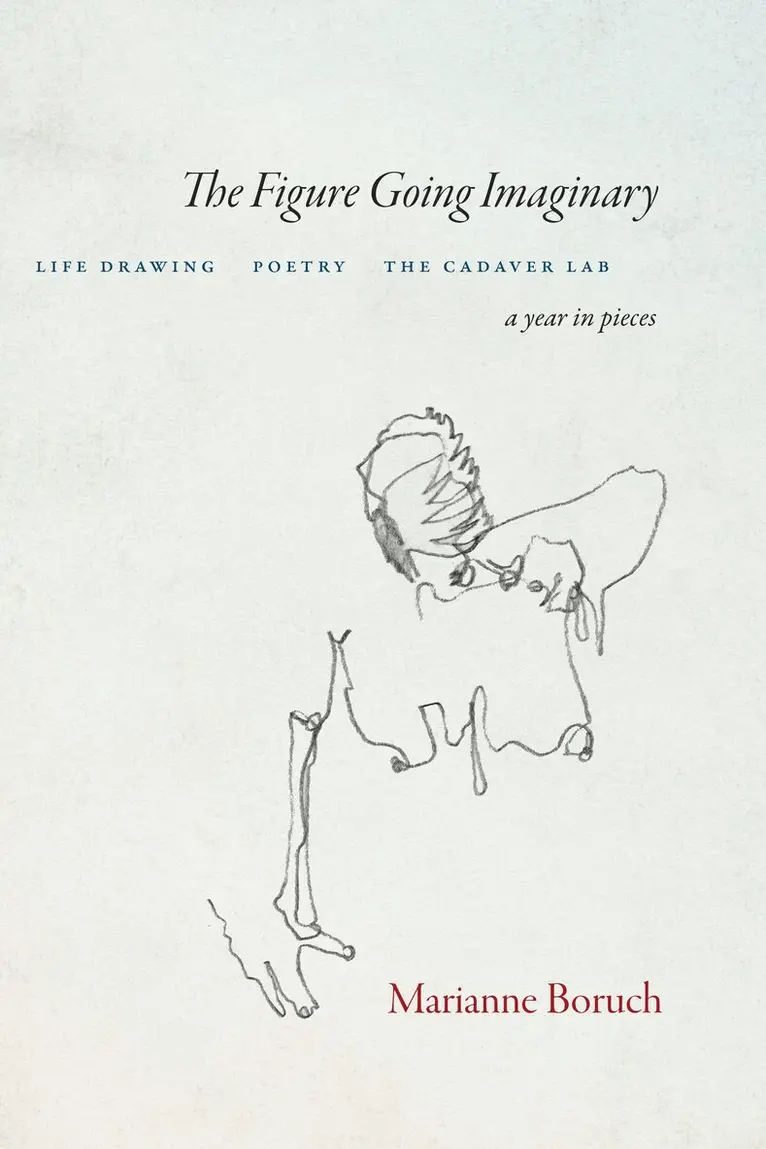
Marianne Boruch embarks on a journey of dark wonder in The Figure Going Imaginary. A gathering of journal entries, lyrical prose, poetry, and sketches from the authors Life Drawing notebook, this hybrid collection recounts the unnerving and otherworldly experience of studying Gross Human Anatomy and life-drawing at Purdue Universityan experience that also fueled her 2014 collection, Cadaver, Speak. In the studio, its the music of charcoal to paper, a netherworld sound and learning to bring human models alive on paper. In the cadaver lab, its flashing knives and probes and forceps that focus on another kind of beauty, the body as map, a tracing, evidence of a life. Guided by the ancient task of learning to see, this poet explores drawing, fate, and at the fragile center of it all, the mysteries of the human figure.
190 kr
Skickas inom 7-10 vardagar
152 kr
Läs direkt efter köp
143 kr
Läs direkt efter köp
"Marianne Boruch''s work has the wonderful, commanding power of true attention."—The Washington Post
"[H]er patience, her willingness to wait for the film of familiarity to slip, allows her to see what is there with a jeweler''s sense of facet and flaw."—Poetry magazine
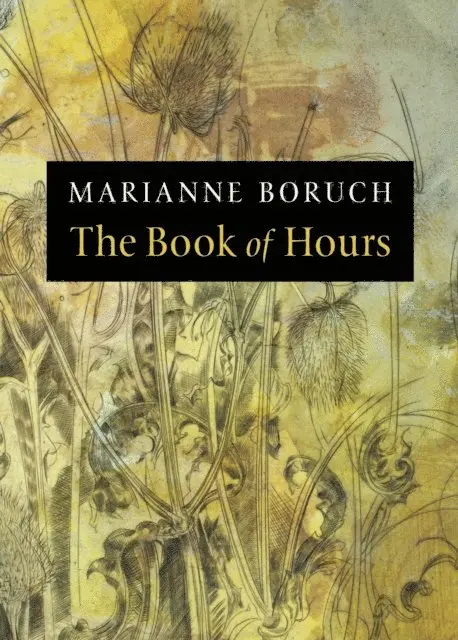
Endearingly strange, unsentimental, and uniquely structured, in true Rilkean fashion The Book of Hours questions the meaning and significance of everything from the flaws of human interaction to perfect posture. Unrelenting honesty and exacting description are coupled with the trials of a dying mother, saint shadows, birds, and "shit drying to chalk."
My mother''s body to wires, to tubesand their liquid, days she turned toward meor away, winter but so much sunfrom car to door. I followed it past nursesat their station talking movies, who''s goodin one and not the other. Gown tiedat the back and neck, she slept besidea window. I wedged my chair there, reading,looking up, reading,—who knows whatI read—her legs bruised, thin, arms batteredby the doctor''s needle. Her face. Can Isay this plainly now? There was lightas she grew less. She drifted to it.I''m not hungry, not religious, I''m in a spot,she told me one afternoon thenclosed her eyes to that radiance again.
Marianne Boruch grew up in Chicago and earned a masters degree from the University of Massachusetts. She teaches at Purdue University and at Warren Wilson College. She lives in West Lafayette, Indiana.
168 kr
Läs direkt efter köp
Honored by Library Journal as an "Amazing Poetry Title"
“Extraordinary how in a single poem from 2013 Kingsley Tufts Poetry Award winner Boruch slides 1800s London barber-surgeons and the dissection of murderers only (condemned to hell anyway) to the observation, ‘Future or past, it’s all we ever think about.’ The first part of this sharp, surprising book captures our inescapable but slippery physicality in the world, the second the breakdown of the cadaver of a 99-year-old woman—told from her perspective, rather jauntily.”—Library Journal
“Boruch displays a quietly gymnastic intellect in the examinations of art, the body, and the human condition."—American Poets
"Marianne Boruch''s work has the wonderful, commanding power of true attention: she sees and considers with intensity."—The Washington Post
"Some books begin as a dare to the self," notes poet Marianne Boruch. Inspired by life-study drawing classes and direct work in a cadaver lab, Boruch''s latest book looks at what the body holds, and examines living through bodies deceased.
Marianne Boruch is the author of seven collections of poetry including The Book of Hours (Copper Canyon Press), two volumes of essays, and a memoir. In 2013 she won the Kingsley Tufts Poetry Award. She lives in West Lafayette, Indiana.
167 kr
Läs direkt efter köp
183 kr
Läs direkt efter köp
186 kr
Läs direkt efter köp
324 kr
Läs direkt efter köp
Marianne Boruch embarks on a journey of dark wonder in The Figure Going Imaginary. A gathering of journal entries, lyrical prose, poetry, and sketches from the author’s “Life Drawing” notebook, this hybrid collection recounts the unnerving and otherworldly experience of studying Gross Human Anatomy and life-drawing at Purdue University—an experience that also fueled her 2014 collection, Cadaver, Speak. In the studio, it’s the music of “charcoal to paper, a netherworld sound” and learning to bring human models alive on paper. In the cadaver lab, its “flashing knives and probes and forceps” that focus on another kind of beauty, the body as “map, a tracing, evidence of a life.” Guided by “the ancient task of learning to see,” this poet explores drawing, fate, and at the fragile center of it all, the mysteries of the human figure.
439 kr
Tillfälligt slut
303 kr
Tillfälligt slut
1 290 kr
Tillfälligt slut
139 kr
Tillfälligt slut
204 kr
Tillfälligt slut
159 kr
Tillfälligt slut
184 kr
Tillfälligt slut