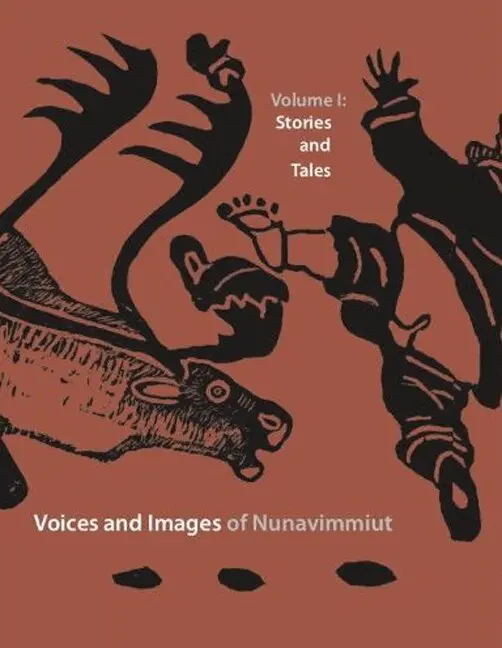
Recorded here, long before the environmental and political effects of the later parts of the twentieth century, are the recollections of the people of Nunavik in their own words. This is the first volume of a ten-volume series collecting articles from periodicals published by Makivik Corporation, beginning in 1974 with Taqralik Magazine and continuing through the current Makivik Magazine. This volume presents, in stories and tales, a unique glimpse into the authentic experience of a world in change, yet still in touch with its own traditions. The Makivik Corporation is the legal representative of Quebec's Inuit people, established in 1978 under the terms of the James Bay and Northern Quebec Agreement. The Makivik Corporation is empowered to negotiate new agreements with governments on behalf of the Quebec Inuit and to represent them. Makivik promotes the preservation of Inuit culture and language, as well as the health, welfare, education, and relief of poverty for Inuit in their communities.
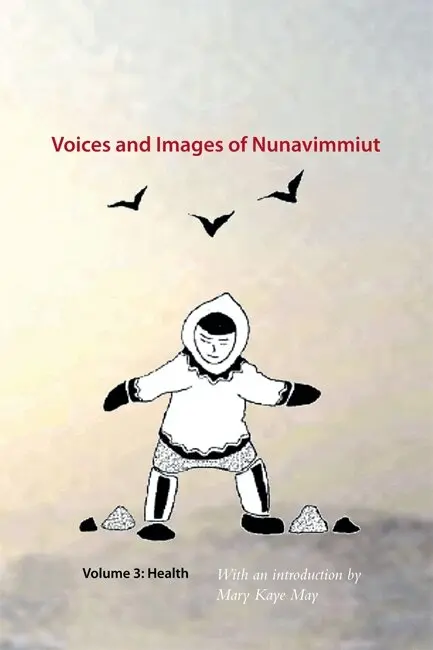
Written both by members of the Inuit community and by various health practitioners, Voices and Images of Nunavimmiut: Health offers a pioneering look at the many worries and obstacles surrounding the delivery of sound and culturally appropriate health services to Nunavik. Contributors deal with problems of providing adequate health services in small Arctic villages, where there is often only one nurse on hand to make life-and-death decisions. The book also deals with the complex issue of establishing culturally sensitive services to ten-thousand Inuit living in an area larger than the state of California. Editors offer insights and reactions from the perspective of the Inuit as they take control of health services introduced by policy makers in the south. With global interest in the Arctic rapidly increasing, Voices and Images of Nunavimmiut: Health presents an important and timely glimpse into the health concerns and services of Nunavik.
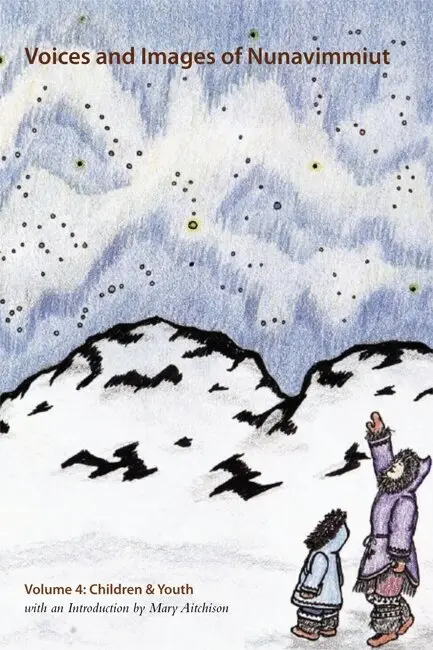
Seventy percent of Nunavimmiut is under thirty years old, making it one of the youngest populations in Canada. Marianne Stenbaek and Minnie Grey bring together accounts by young people written over the course of three decades to show the lives of the Inuit through their own eyes. Contributors write about the problems of growing up in small Arctic communities, but also about the many joys of living a free life and their close connections to their families. They wonder about the dilemma of respecting community elders and their wisdom while combining this knowledge with modern life. The book also includes discussion both by young people and Inuit leaders about what kind of education is worthwhile and necessary in a community where traditions of hunting and fishing exist simultaneously with smart phones and shopping trips to Montreal. The young people write about their connection to Inuit across Canada, in Alaska, and Greenland as they forge new bonds respecting their culture and language. Weaving a story never told before from an Inuit perspective, Voices and Images of Nunavimmiut: Children and Youth follows an exceptional period in Nunavik development as Inuit peoples transitioned from living off the land to living in centralized towns and villages.
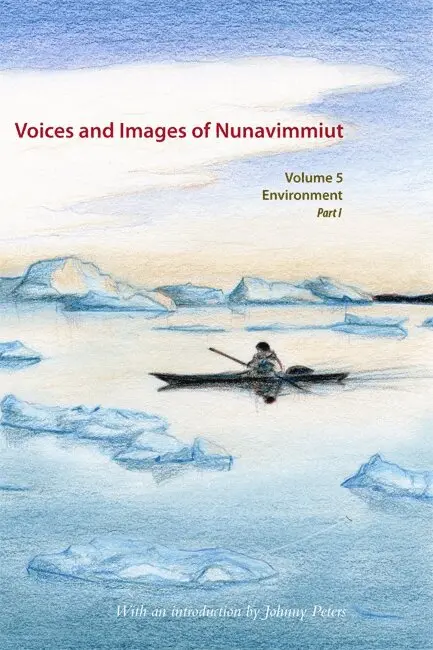
This book, the fifth in a series anthologizing writings by Inuit in Nunavik over the last thirty-five years, presents articles on renewable resources and wildlife protection. Written by member of the Inuit community and non-Inuit who have worked closely with the community to better understand environmental concerns, the articles in this volume shed light on how interaction with the natural environment has changed dramatically in the past three decades.
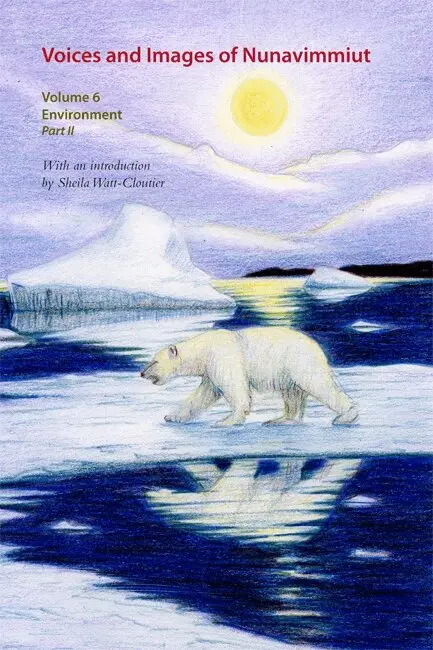
This book, the sixth in a series anthologizing writings by Inuit in Nunavik over the last thirty-five years, presents articles on environmental contaminants, land use, and climate change. Written by members of the Inuit community and non-Inuit who have worked closely with the community to better understand environmental concerns, the articles in this volume shed light on how interaction with the natural environment has changed dramatically in the past three decades.
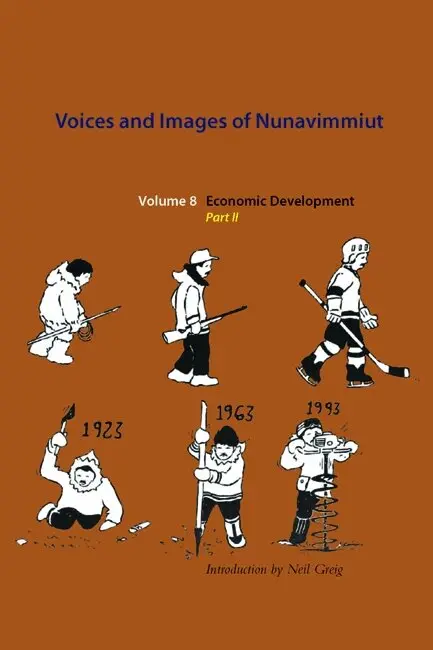
Northern Quebec, now known as Nunavik, has in the last forty years gone from a subsistence economy entirely reliant on hunting and fishing, to a modern day mixed-economy that, in addition to traditional practices, also includes resource development, airline ownership, tourism, and the export of cultural products. In Volumes 7 and 8 of Voices of and Images of Nunavimmiut Inuit actively involved in this economic transformation provide detailed accounts of their successes and their failures, in their own words. Together, these volumes tell the fascinating story of how a small but determined people, with the support of the Makivik Corporation, have become economically strong and may well play an important role in the future economic growth of Quebec and Canada.
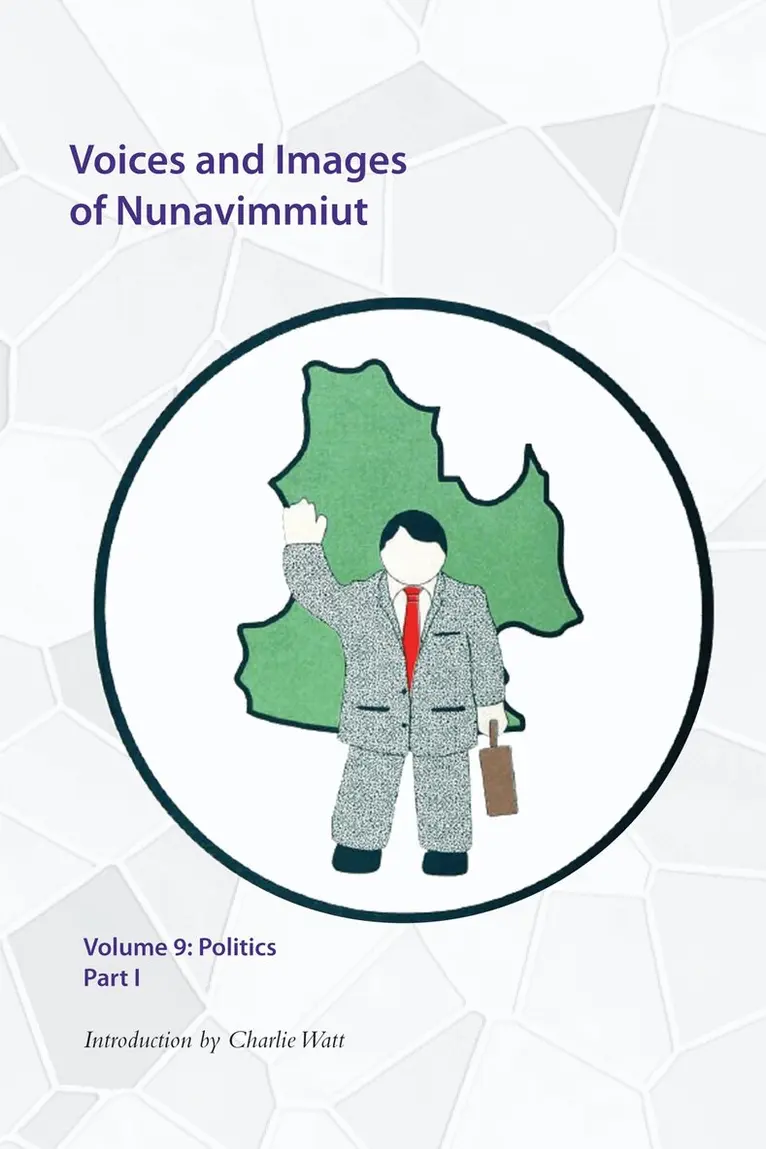
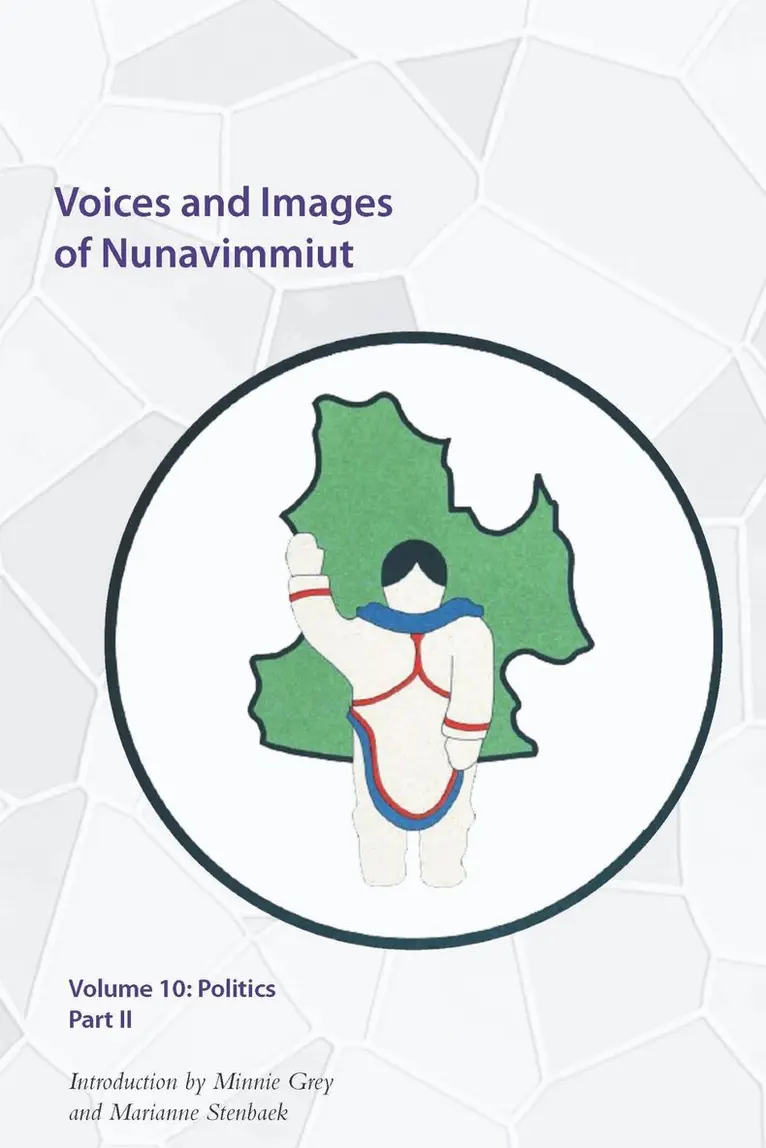
The signing of the James Bay Agreement in 1975 was a turning point in relations between the Inuit and Cree of Northern Quebec and the federal government. Designating specific areas of land in Northern Quebec that the Inuit could own and use, the agreement laid the groundwork for the development of several influential institutions such as the Makivik Corporation - essentially the beginning of modern-day Nunavik, which now serves as the economic and political motor of Northern Quebec. Marking the fortieth anniversary of the agreement, Volumes 9 and 10 of Voices and Images of Nunavimmiut offer the Inuit perspective through a series of articles portraying the unique process of creating and implementing the first modern-day land claims treaty in Canada. With an introduction by Senator Charlie Watt, one of the original Inuit negotiators of the agreement, these richly illustrated volumes cover the period from 1975 to the present day, applauding the many achievements of the treaty while identifying the work that still needs to be done.
The signing of the James Bay Agreement in 1975 was a turning point in relations between the Inuit and Cree of Northern Quebec and the federal government. Designating specific areas of land in Northern Quebec that the Inuit could own and use, the agreement laid the groundwork for the development of several influential institutions such as the Makivik Corporation – essentially the beginning of modern-day Nunavik, which now serves as the economic and political motor of Northern Quebec. Marking the fortieth anniversary of the agreement, Volumes 9 and 10 of Voices and Images of Nunavimmiut offer the Inuit perspective through a series of articles portraying the unique process of creating and implementing the first modern-day land claims treaty in Canada. With an introduction by Senator Charlie Watt, one of the original Inuit negotiators of the agreement, these richly illustrated volumes cover the period from 1975 to the present day, applauding the many achievements of the treaty while identifying the work that still needs to be done.