3 801 kr
Kommande
3 801 kr
Kommande
509 kr
Läs direkt efter köp
509 kr
Läs direkt efter köp
645 kr
Skickas inom 7-10 vardagar
739 kr
Läs direkt efter köp
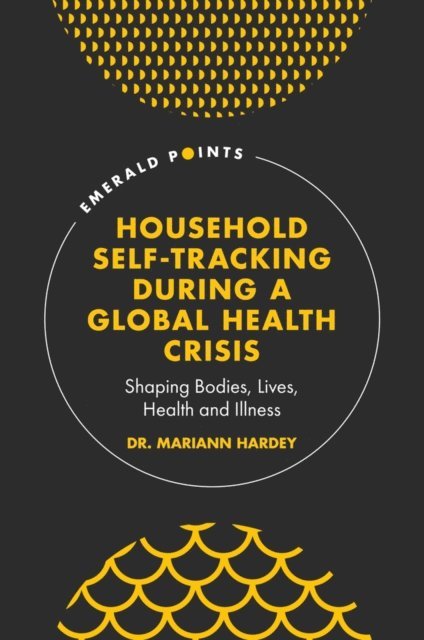
Self-tracking is a rapidly growing area of study and will play an important role in the future of how we understand health change and responsibility. Understanding the personal and social dimensions of tracking within households improves our understanding of health consumption and knowledge, particularly during significant global crises. Ignoring the household context of health or focusing solely on individual tracking behaviour is no longer an option.
Household Self-Tracking During a Global Health Crisis provides a comprehensive and straightforward account of deeper health narratives managed through data tracking within households formed during a global health crisis. The book examines the contextual, personal, and social factors surrounding health tracking, including the commercialization of Covid19 health tracking, public data tracking, and health-surveillance issues, from a social science perspective. Inequalities in health, as well as expanded concepts of fitness and illness management, are highlighted as part of a significant shift in how we understand and integrate home health regimes, and how this is made possible by the incorporation of household biometric data tracking.
Household Self-Tracking During a Global Health Crisis will assist researchers interested in self-tracking and health technologies, as well as postgraduate students studying psychology, medicine, social science, and business. Hardey explores several personal insights as well as research which may be unfamiliar to some social scientists, helping situate new perspectives and understanding.
700 kr
Skickas inom 7-10 vardagar
755 kr
Läs direkt efter köp
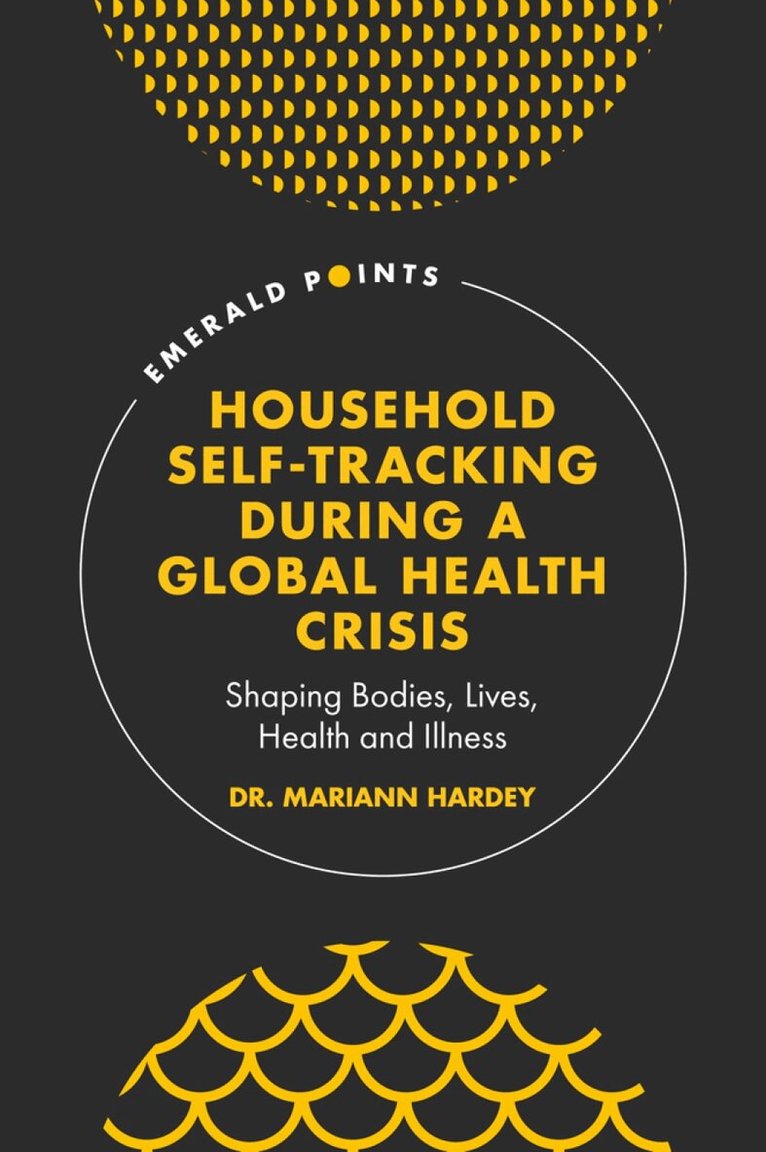
Self-tracking is a rapidly growing area of study and will play an important role in the future of how we understand health change and responsibility. Understanding the personal and social dimensions of tracking within households improves our understanding of health consumption and knowledge, particularly during significant global crises. Ignoring the household context of health or focusing solely on individual tracking behaviour is no longer an option.
Household Self-Tracking During a Global Health Crisis provides a comprehensive and straightforward account of deeper health narratives managed through data tracking within households formed during a global health crisis. The book examines the contextual, personal, and social factors surrounding health tracking, including the commercialization of Covid19 health tracking, public data tracking, and health-surveillance issues, from a social science perspective. Inequalities in health, as well as expanded concepts of fitness and illness management, are highlighted as part of a significant shift in how we understand and integrate home health regimes, and how this is made possible by the incorporation of household biometric data tracking.
Household Self-Tracking During a Global Health Crisis will assist researchers interested in self-tracking and health technologies, as well as postgraduate students studying psychology, medicine, social science, and business. Hardey explores several personal insights as well as research which may be unfamiliar to some social scientists, helping situate new perspectives and understanding.
535 kr
Läs direkt efter köp
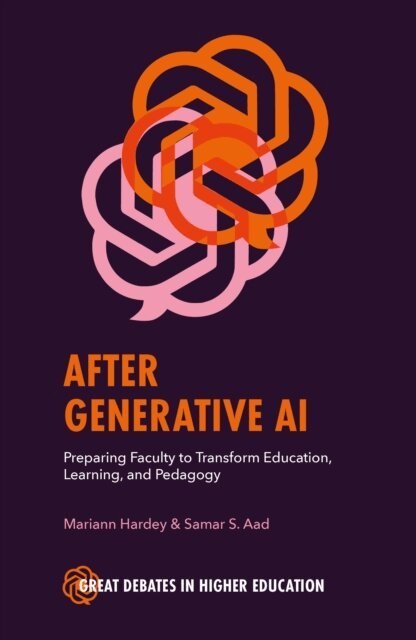
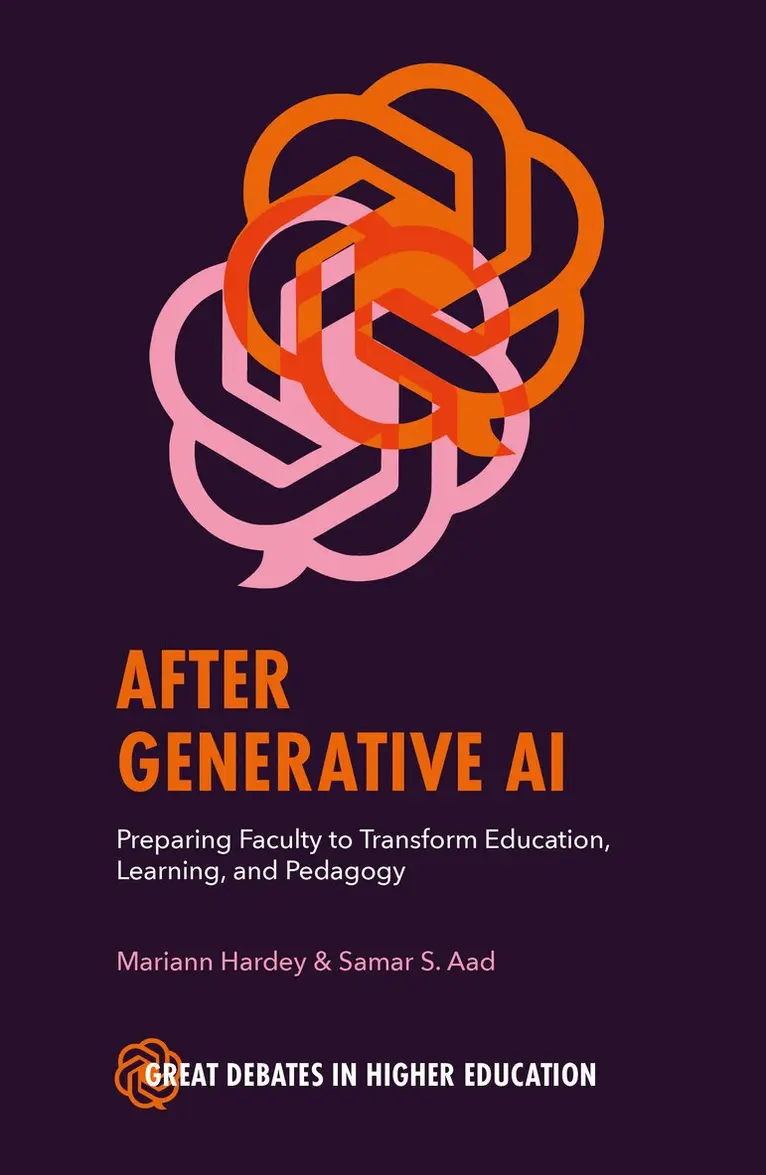
In a landscape where technological advancements are disrupting and reshaping the educational paradigm, After Generative AI serves as a comprehensive guide to navigate the complexities and opportunities presented by Generative AI (GAI) and guide readers through strategies that must be implemented for a successful journey with GAI. From ChatGPT, to Bard, to CANVA, educators are seeking practical insights into how to harness the power of GAI effectively. After Generative AI provides a consolidated, accessible resource that caters to students and faculty, providing them with the knowledge and strategies to thrive in an AI-enhanced educational environment.
Each chapter demystifies GAI for educators and learners alike, offering a clear and accessible explanation of the basics, applications, and implications of GAI in education. This is a foundational understanding for readers, ensuring they are equipped to make informed decisions about integrating GAI into their teaching and learning processes. Going beyond basic explanations, Hardey and Aad provide practical insights and implementation strategies that recognize the concerns and ethical challenges related to GAI, such as bias in algorithms, privacy issues, and the need for inclusivity.
After Generative AI fills a crucial gap in the literature by providing a practical, insightful, and forward-looking guide to GAI in education. Through comprehensive coverage, real-world examples, and ethical considerations, educators will feel empowered and learners ready to embrace GAI''s transformative potential while responsibly navigating its challenges.
552 kr
Skickas inom 7-10 vardagar
688 kr
Läs direkt efter köp
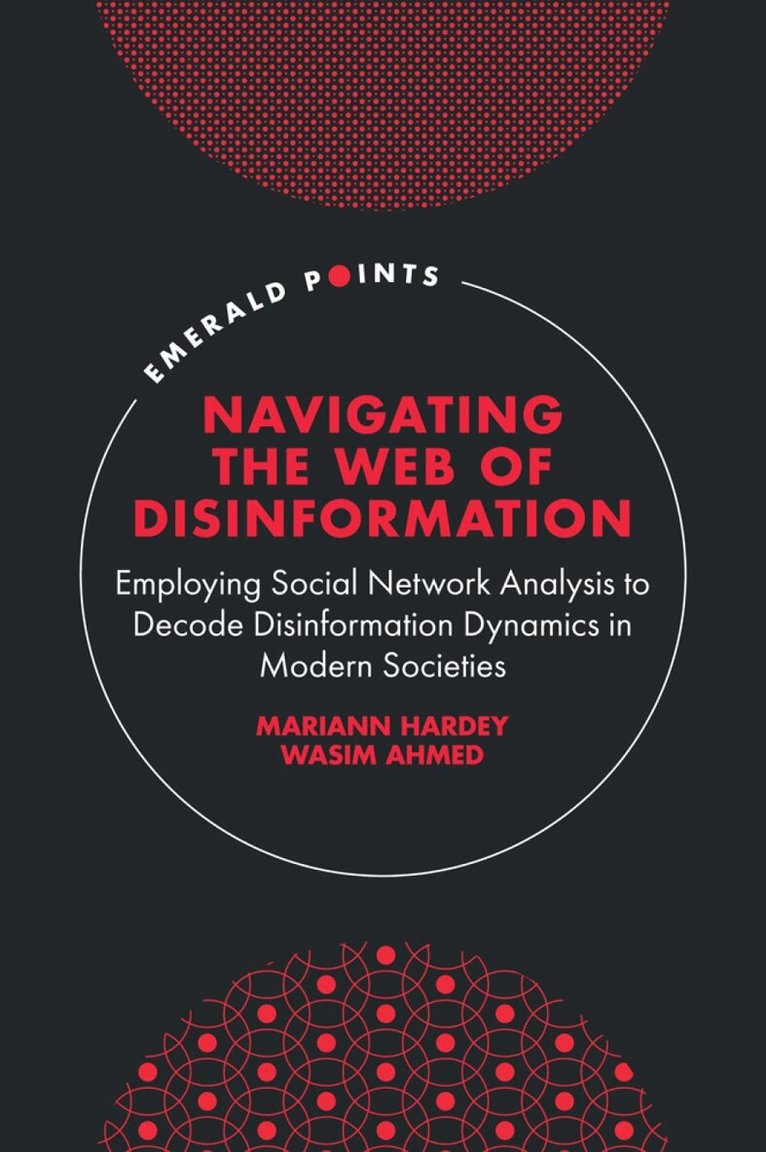
A network analysis that ignores social harm is merely a technical exercise. A social critique that ignores the network is incomplete. Navigating the Web of Disinformation closes this critical gap.
Mariann Hardey and Wasim Ahmed offer a vital socio-technical examination of digital falsehoods, using Social Network Analysis (SNA) to connect the mechanics of digital diffusion to their real-world consequences. The result is a powerful visual and analytical account of how digital manipulation directly fuels social instability. As a critical contribution to the field, this book equips researchers and policymakers with a practical method to not only identify false information but to understand its social impact, proposing grounded solutions to defend the integrity of public discourse.
A vital contribution to the field, this publication equips policymakers, researchers, and practitioners with the insights needed to mitigate the spread of false information.
638 kr
Skickas inom 7-10 vardagar
666 kr
Läs direkt efter köp
A network analysis that ignores social harm is merely a technical exercise. A social critique that ignores the network is incomplete. Navigating the Web of Disinformation closes this critical gap.
Mariann Hardey and Wasim Ahmed offer a vital socio-technical examination of digital falsehoods, using Social Network Analysis (SNA) to connect the mechanics of digital diffusion to their real-world consequences. The result is a powerful visual and analytical account of how digital manipulation directly fuels social instability. As a critical contribution to the field, this book equips researchers and policymakers with a practical method to not only identify false information but to understand its social impact, proposing grounded solutions to defend the integrity of public discourse.
A vital contribution to the field, this publication equips policymakers, researchers, and practitioners with the insights needed to mitigate the spread of false information.