2 140 kr
Läs direkt efter köp
2 140 kr
Läs direkt efter köp
2 456 kr
Skickas inom 3-6 vardagar
2 094 kr
Läs direkt efter köp
652 kr
Skickas inom 7-10 vardagar
814 kr
Läs direkt efter köp
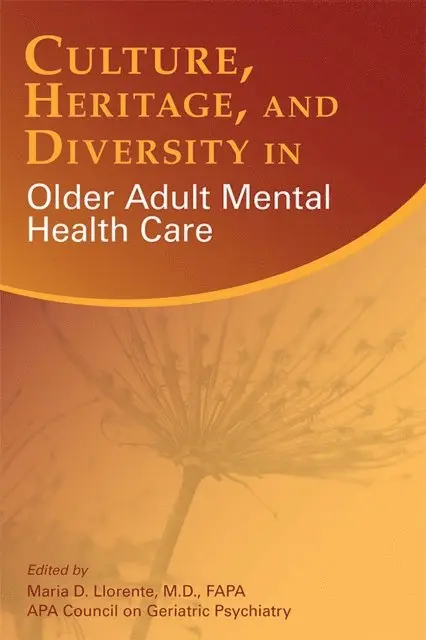
Health care organizations are beginning to recognize the importance of cultural competence as it relates to efficiency, quality, and equity in the delivery of care within a competitive health care market, and Culture, Heritage, and Diversity in Older Adult Mental Health Care is designed to train mental health clinicians to deliver culturally sensitive care to an increasingly diverse patient population. Projections indicate that 35% of patients older than age 65 will be from a racial or ethnic minority group by 2050, compared with 11% in 1970. Today''s mental health practitioners require knowledge, sensitivity, and an understanding of institutionalized practices and systems that undermine their patients'' health and well-being.
The term culture is multifaceted and may refer to one''s belief system, values, religion, race, socioeconomic status, ethnicity, language, sexual orientation, geographic location, educational level, age, occupational risks and exposures, and gender. The authors of the book examine mental health care through these lenses, teaching the reader about implicit biases and potential miscommunication and offering strategies for overcoming these difficulties. The editor, who has worked in leadership positions overseeing veterans'' mental health services, has assembled an impressive and diverse roster of contributors, each with specific expertise in his or her assigned subject. The ways in which cultural competency interacts with the six Accreditation Council for Graduate Medical Education core competencies are explored in detail. For example, in terms of patient care, cultural competency plays an important role in gathering subjective data about a patient that may ultimately impact outcomes. Teaching methods to increase cultural sensitivity and build skills in this area are highlighted, as are training modalities and clinician evaluation. The effects of migration and acculturation on mental health are examined, providing clinicians with several theoretical frameworks for understanding the migratory experience in older adults and exploring psychosocial factors associated with psychological risk in aging immigrants. Linguistic competence, defined broadly as effective communication with individuals speaking a nondominant language, is an essential component of culturally competent health care and is of particular importance in mental health care. Accordingly, the authors analyze linguistic competency in both administrative and clinical encounters and present strategies for achieving mastery in this critically important area. The text provides an abundance of tables and pedagogical features designed to enhance comprehension, including learning objectives, key points, and study questions.
Cultural competence in health care systems is defined as the ability to understand and integrate the features listed above into the provision of health care services. Culture, Heritage, and Diversity in Older Adult Mental Health Care prepares clinicians to provide sensitive, high-quality, culturally competent care to geriatric patients from diverse backgrounds and will prove indispensable as patient demographics continue to change.

738 kr
Skickas inom 7-10 vardagar
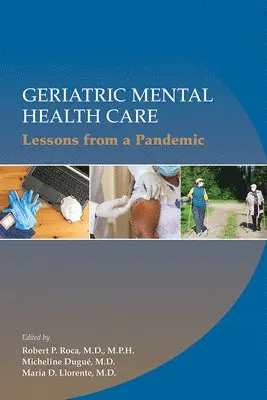
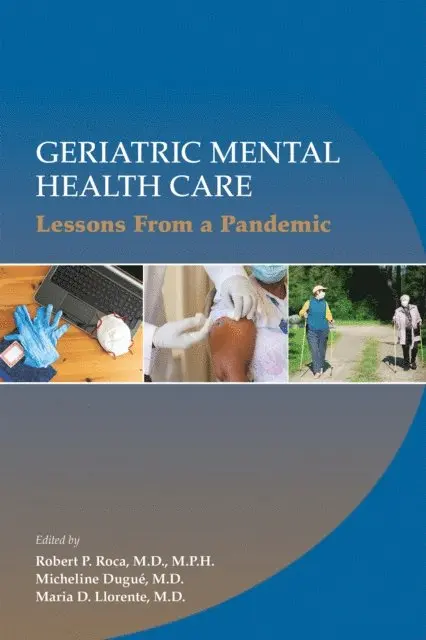
The COVID-19 pandemic has had a disproportionate impact on older adults with mental illness, and Geriatric Mental Health Care was conceived in response. This book, with its detailed descriptions of clinical and social innovations to mitigate the impact of the pandemic on a vulnerable population, represents an ongoing effort to address rapidly evolving health care needs. Because the authors worked on this book during the pandemic, the practices they describe have been tested and refined in the real world.
Introductory vignettes that serve to illustrate each chapter's salient points, key takeaways that allow for quick reference, and multiple-choice questions that help reinforce learning are the hallmarks of Geriatric Mental Health Care. In addition to offering a historical perspective on the mental health effects of pandemics, the chapter authors delve into modern-day concerns that include inpatient geriatric psychiatry during a pandemic, telehealth models of care, health care staff concerns, and social determinants of health. The authors also explore the pandemic's effects on research and the economy, analyzing the impact of nonclinical factors on the broader clinical care effort.
Although important strides have been made in the delivery of mental health care to older adult patients, very real challenges remain more than a year and a half after the pandemic's emergence. Even as the world continues to grapple with the effects of the current pandemic, mental health professionals must prepare themselves to provide care under the trying conditions of what will likely be other pandemics in the future. These considerations make Geriatric Mental Health Care, and its purpose of sharing promising practices that other clinicians and systems can consider emulating, so urgent and necessary.
830 kr
Läs direkt efter köp
The COVID-19 pandemic has had a disproportionate impact on older adults with mental illness, and Geriatric Mental Health Care was conceived in response. This book, with its detailed descriptions of clinical and social innovations to mitigate the impact of the pandemic on a vulnerable population, represents an ongoing effort to address rapidly evolving health care needs. Because the authors worked on this book during the pandemic, the practices they describe have been tested and refined in the real world.
Introductory vignettes that serve to illustrate each chapter''s salient points, key takeaways that allow for quick reference, and multiple-choice questions that help reinforce learning are the hallmarks of Geriatric Mental Health Care. In addition to offering a historical perspective on the mental health effects of pandemics, the chapter authors delve into modern-day concerns that include inpatient geriatric psychiatry during a pandemic, telehealth models of care, health care staff concerns, and social determinants of health. The authors also explore the pandemic''s effects on research and the economy, analyzing the impact of nonclinical factors on the broader clinical care effort.
Although important strides have been made in the delivery of mental health care to older adult patients, very real challenges remain more than a year and a half after the pandemic''s emergence. Even as the world continues to grapple with the effects of the current pandemic, mental health professionals must prepare themselves to provide care under the trying conditions of what will likely be other pandemics in the future. These considerations make Geriatric Mental Health Care, and its purpose of sharing promising practices that other clinicians and systems can consider emulating, so urgent and necessary.