612 kr
Skickas inom 10-15 vardagar
612 kr
Skickas inom 10-15 vardagar
2 610 kr
Skickas inom 10-15 vardagar
714 kr
Läs direkt efter köp
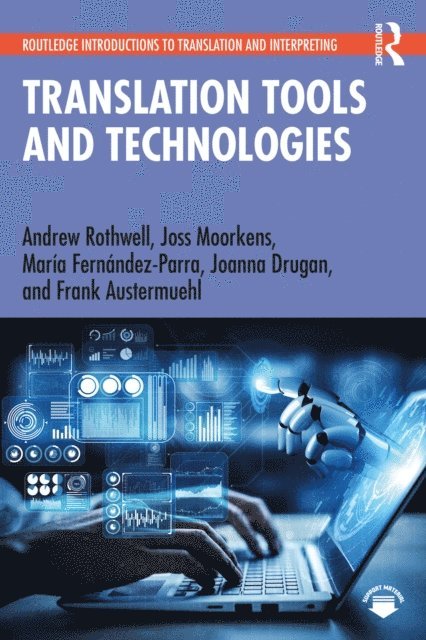
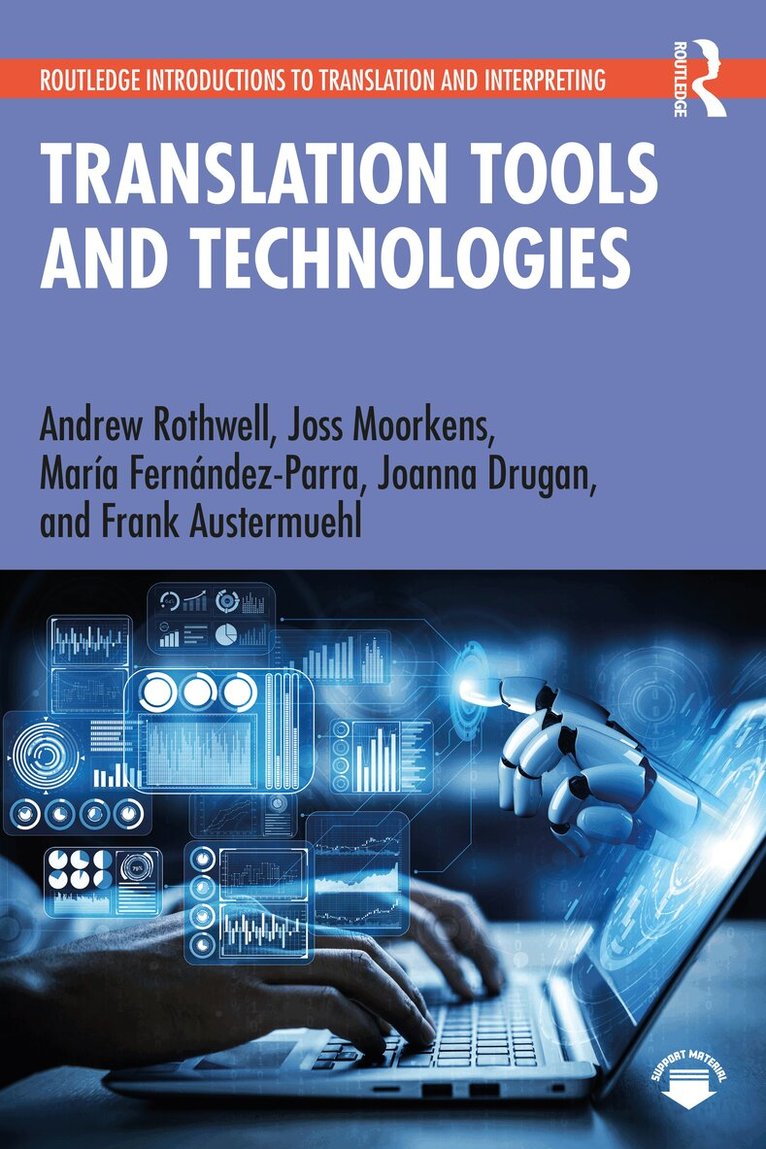
To trainee translators and established professionals alike, the range of tools and technologies now available, and the speed with which they change, can seem bewildering. This state-of-the-art, copiously illustrated textbook offers a straightforward and practical guide to translation tools and technologies.
Demystifying the workings of computer-assisted translation (CAT) and machine translation (MT) technologies, Translation Tools and Technologies offers clear step-by-step guidance on how to choose suitable tools (free or commercial) for the task in hand and quickly get up to speed with them, using examples from a wide range of languages. Translator trainers will also find it invaluable when constructing or updating their courses. This unique book covers many topics in addition to text translation. These include the history of the technologies, project management, terminology research and corpora, audiovisual translation, website, software and games localisation, and quality assurance. Professional workflows are at the heart of the narrative, and due consideration is also given to the legal and ethical questions arising from the reuse of translation data.
With targeted suggestions for further reading at the end of each chapter to guide users in deepening their knowledge, this is the essential textbook for all courses in translation and technology within translation studies and translator training.
Additional resources are available on the Routledge Translation Studies Portal.
709 kr
Läs direkt efter köp
To trainee translators and established professionals alike, the range of tools and technologies now available, and the speed with which they change, can seem bewildering. This state-of-the-art, copiously illustrated textbook offers a straightforward and practical guide to translation tools and technologies.
Demystifying the workings of computer-assisted translation (CAT) and machine translation (MT) technologies, Translation Tools and Technologies offers clear step-by-step guidance on how to choose suitable tools (free or commercial) for the task in hand and quickly get up to speed with them, using examples from a wide range of languages. Translator trainers will also find it invaluable when constructing or updating their courses. This unique book covers many topics in addition to text translation. These include the history of the technologies, project management, terminology research and corpora, audiovisual translation, website, software and games localisation, and quality assurance. Professional workflows are at the heart of the narrative, and due consideration is also given to the legal and ethical questions arising from the reuse of translation data.
With targeted suggestions for further reading at the end of each chapter to guide users in deepening their knowledge, this is the essential textbook for all courses in translation and technology within translation studies and translator training.
Additional resources are available on the Routledge Translation Studies Portal.
2 610 kr
Skickas inom 10-15 vardagar
673 kr
Skickas inom 10-15 vardagar
768 kr
Läs direkt efter köp
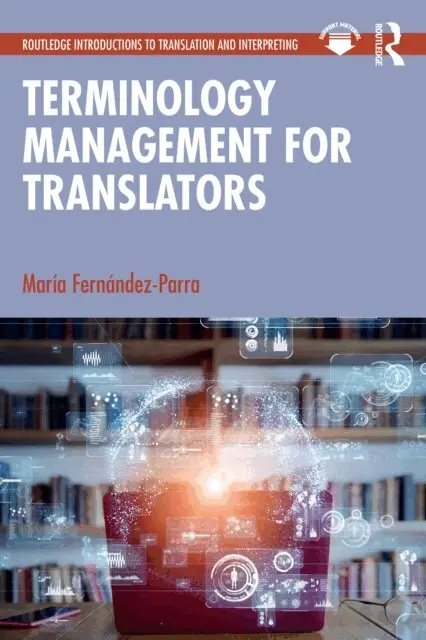
Professional translators are the crucial link between businesses and their success in international markets. The content they convey across languages very often includes specialised terminology. But how much exactly should translators know about terminology and its management and how should they deal with it? Can translators write like experts without being experts? What tools and technologies can assist translators in the management of terminology? This book provides the results of new research in this area in order to address these questions in detail.
For professionals, this book provides a fresh view on practices in terminology management based on empirical data. For translator trainers, it provides a thorough overview of the aspects of terminological theories that are useful for translators, shows how the theory can underpin the design and creation of terminological databases for translators and offers a wide range of ideas for discussion, exercises and examples. For students and trainee translators, it explains why they should bother with terminology management at all and offers guidance on acquiring, storing and using their terminological resources efficiently, dispelling common misconceptions about terms and terminological work.
With clear explanations and summaries, activities, discussion points, further reading and links to resources, this book is the ultimate introductory text and reference resource, covering everything translators ever wanted to know about the terminological side of their work.
760 kr
Läs direkt efter köp
Professional translators are the crucial link between businesses and their success in international markets. The content they convey across languages very often includes specialised terminology. But how much exactly should translators know about terminology and its management and how should they deal with it? Can translators write like experts without being experts? What tools and technologies can assist translators in the management of terminology? This book provides the results of new research in this area in order to address these questions in detail.
For professionals, this book provides a fresh view on practices in terminology management based on empirical data. For translator trainers, it provides a thorough overview of the aspects of terminological theories that are useful for translators, shows how the theory can underpin the design and creation of terminological databases for translators and offers a wide range of ideas for discussion, exercises and examples. For students and trainee translators, it explains why they should bother with terminology management at all and offers guidance on acquiring, storing and using their terminological resources efficiently, dispelling common misconceptions about terms and terminological work.
With clear explanations and summaries, activities, discussion points, further reading and links to resources, this book is the ultimate introductory text and reference resource, covering everything translators ever wanted to know about the terminological side of their work.