Häftad, Engelska, 2018
1 011 kr
Skickas inom 10-15 vardagar
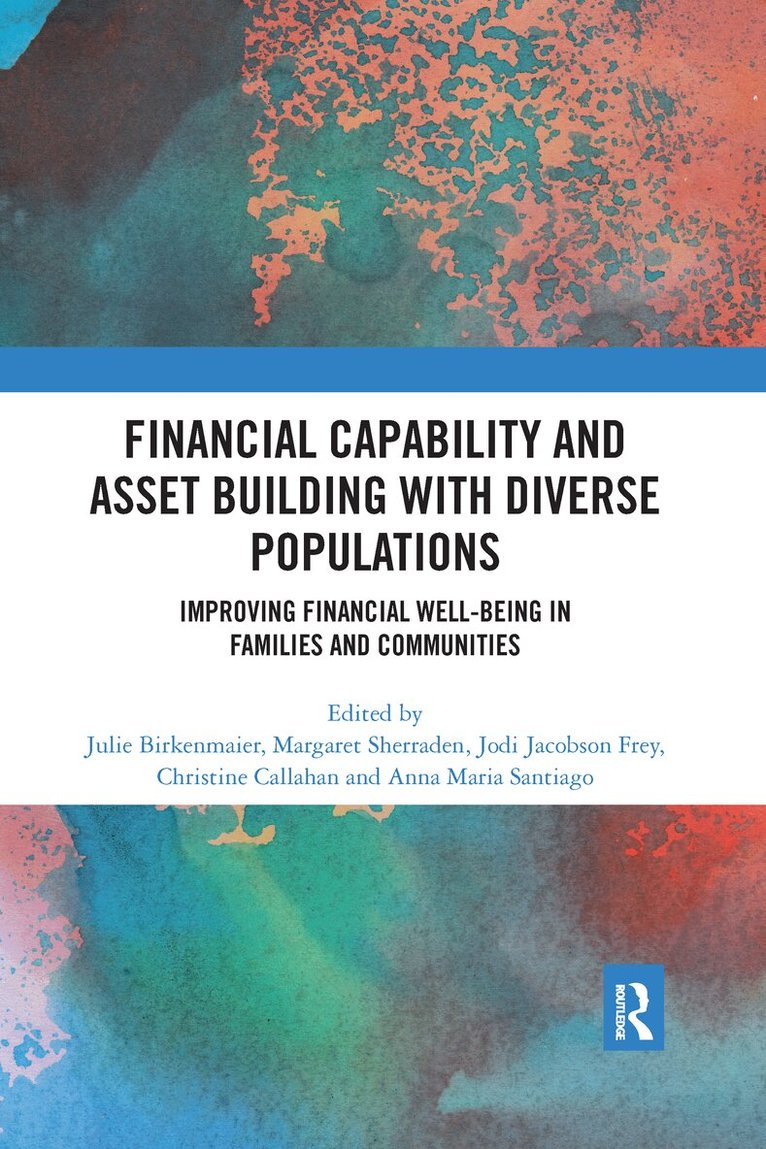
Financial struggles of American families are headline news. In communities across the nation, families feel the pinch of stagnant and sometimes declining incomes. Many have not recovered from the Great Recession, when millions lost their homes and retirement savings. They are bombarded daily with vexing financial decisions: Which bills to pay? Where to cash checks? How to cover an emergency? How to improve a credit report? How to bank online? How to save for the future? Low- and moderate-income families have few places to turn for guidance on financial matters. Not many can afford to pay a financial advisor to help navigate an increasingly complex financial world. They do their best with advice from family and trusted individuals. Social workers, financial counselors, and human services professionals can help. As "first responders," they assist families and help in finding financial support from public and private sources. But these professionals are too often unprepared to address the full range of financial troubles of ordinary working families. Financial Capability and Asset Building in Vulnerable Households is the first book of its kind. It prepares social workers, financial counselors, and other human service professionals for financial practice with vulnerable families. Building on more than 20 years of research, the book sets the stage with key concepts, historical antecedents, and current financial challenges of families in America. The book provides knowledge and tools to assist families in pressing financial circumstances. It offers a lifespan perspective of financial capability and environmental influences on financial behaviors and actions. This important text details practice principles and skills for direct interventions, as well as for designing financial services and policy innovations. This is an essential text for preparing the next generation of practitioners who can enable families to achieve economic security and development.