During the mid twelfth century, villages that had been occupied by the Mimbres people in what is now southwestern New Mexico were depopulated and new settlements were formed. While most scholars view abandonment in terms of failed settlements, Margaret Nelson shows that, for the Mimbres, abandonment of individual communities did not necessarily imply abandonment of regions. By examining the economic and social reasons for change among the Mimbres, Nelson reconstructs a process of shifting residence as people spent more time in field camps and gradually transformed them into small hamlets while continuing to farm their old fields. Challenging current interpretations of abandonment of the Mimbres area through archaeological excavation and survey, she suggests that agricultural practices evolved toward the farming of multiple fields among which families moved, with small social groups traveling frequently between small pueblos rather than being aggregated in large villages. Mimbres during the Twelfth Century is the first book-length contribution on this topic for the Classic Mimbres period and also addresses current debates on the role of Casas Grandes in these changes. By rethinking abandonment, Nelson shows how movement by prehistoric cultivators maintained continuity of occupation within a region and invites us to reconsider the dynamic relationship between people and their land.
A collection of the papers presented at the Twentieth Anniversary Southwest Symposium, Movement, Connectivity, and Landscape Change in the Ancient Southwest looks back at the issues raised in the first symposium in 1988 and tackles three contemporary domains in archaeology: landscape use and ecological change, movement and ethnogenesis, and connectivity among social groups through time and space. Across these sections the authors address the relevance of archaeology in the modern world; new approaches and concerns about collaboration across disciplines, communities, and subgroups; and the importance of multiple perspectives.Particular attention is paid to the various ways that archaeology can and should contribute to contemporary social and environmental issues. Contributors come together to provide a synthetic volume on current research and possibilities for future explorations. Moving forward, they argue that archaeologists must continue to include researchers from across political and disciplinary boundaries and enhance collaboration with Native American groups.This book will be of interest to professional and academic archaeologists, as well as students working in the field of the American Southwest.
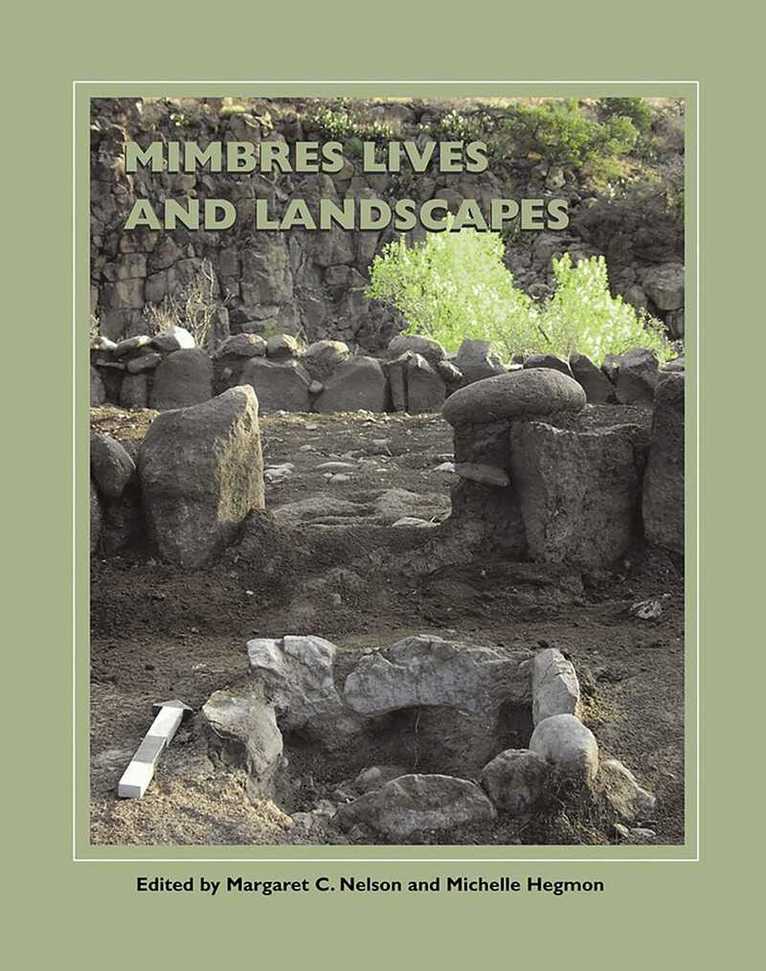
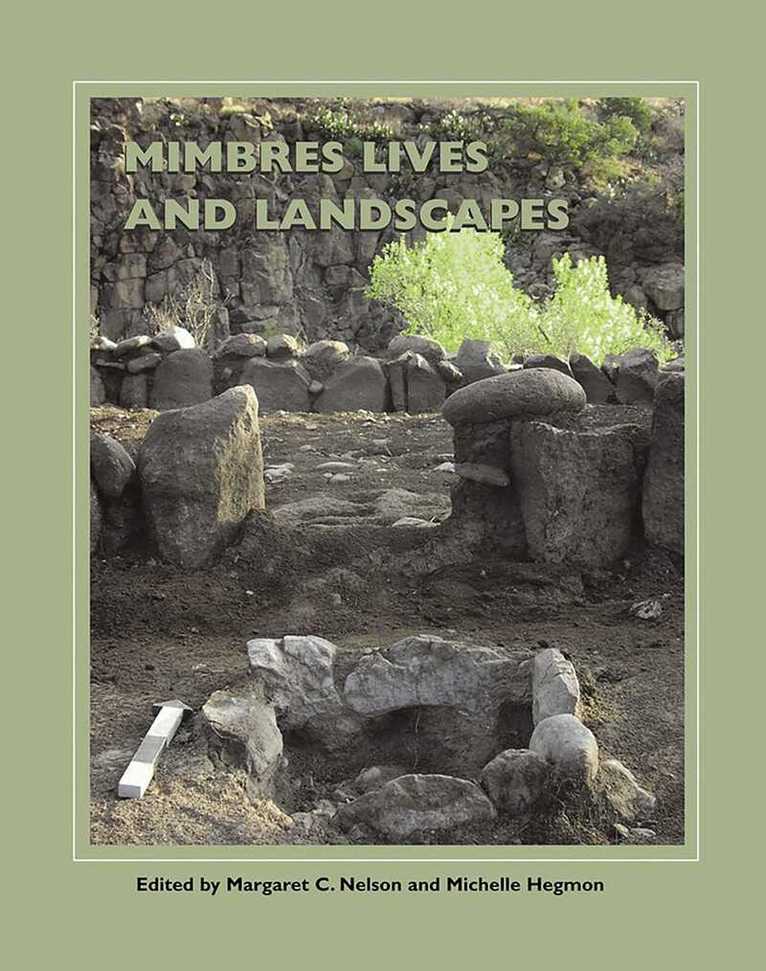
People have called the mountains, rolling hills, wide valleys, and broad desert plains of southwestern New Mexico home for at least ten thousand years. When they began to farm a little over two thousand years ago, they settled near the rich soils in the river floodplains. Then, around 900, the people of this region burned all of their kivas and started gathering in large villages with small ritual spaces and open plazas. Between 900 and about 1100, they also made the intricately painted geometric and figurative bowls today called Mimbres, their best-known legacy. Then, in the 1130s, they stopped making this kind of pottery and drifted out of villages to more dispersed settlements. These dramatic changes frame the story told in Mimbres Lives and Landscapes. The well-illustrated essays in this book offer the latest archaeological research to explain what we know and what questions still remain about this ancient people. Beginning with an overview of the abrupt change in lifestyle that launched the distinctive Mimbres culture, the book explores men and women's lives, how they fed themselves, the changing nature of leadership, and the possible meanings of the dramatic pottery designs.Looking beyond southwestern New Mexico, the book explores the connections between the residents of the Mimbres region and the great civilizations of Hohokam and Chaco. Instead of asking the usual question, why the Mimbres culture disappeared, this book shows that by 1130, for a variety of reasons, people decided to reorganize their lives, just as they had in 900. The big decisions and daily strategies of these hardy and creative desert people have much to tell us about the relationships between social and environmental change. The closing chapter describes how landowners can support archaeological research on their land and be good stewards of the remnants of ancient times.
People have called the mountains, rolling hills, wide valleys, and broad desert plains of southwestern New Mexico home for at least ten thousand years. When they began to farm a little over two thousand years ago, they settled near the rich soils in the river floodplains. Then, around 900, the people of this region burned all of their kivas and started gathering in large villages with small ritual spaces and open plazas. Between 900 and about 1100, they also made the intricately painted geometric and figurative bowls today called Mimbres, their best-known legacy. Then, in the 1130s, they stopped making this kind of pottery and drifted out of villages to more dispersed settlements. These dramatic changes frame the story told in Mimbres Lives and Landscapes. The well-illustrated essays in this book offer the latest archaeological research to explain what we know and what questions still remain about this ancient people. Beginning with an overview of the abrupt change in lifestyle that launched the distinctive Mimbres culture, the book explores men and women's lives, how they fed themselves, the changing nature of leadership, and the possible meanings of the dramatic pottery designs.Looking beyond southwestern New Mexico, the book explores the connections between the residents of the Mimbres region and the great civilizations of Hohokam and Chaco. Instead of asking the usual question, why the Mimbres culture disappeared, this book shows that by 1130, for a variety of reasons, people decided to reorganize their lives, just as they had in 900. The big decisions and daily strategies of these hardy and creative desert people have much to tell us about the relationships between social and environmental change. The closing chapter describes how landowners can support archaeological research on their land and be good stewards of the remnants of ancient times.