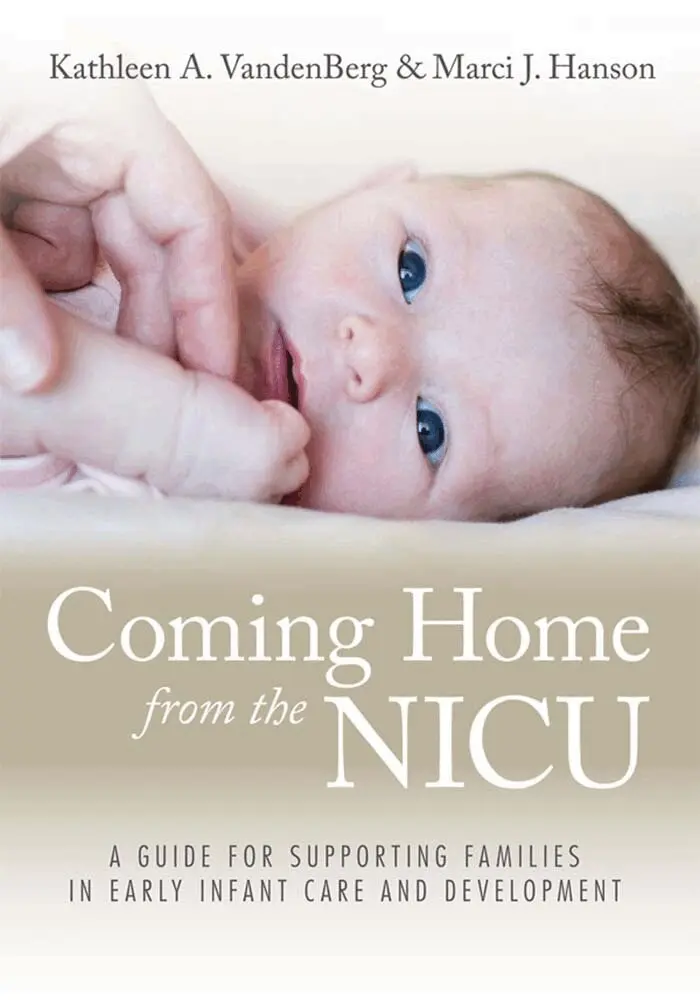
For families of an infant leaving the NICU, nothing’s more exciting - and challenging - than the critical transition to home life with their baby. Support the NICU-to-home transition with this accessible book, the complete guide to helping parents meet their baby’s special needs and promote optimal development in the first year after homecoming. Invaluable for a wide range of professionals including early interventionists, OTs, PTs, public health nurses, physicians, and social workers this book is the key to providing family-centred, developmentally supportive guidance in the months after the NICU. Professionals will deepen their understanding of the emotional and physical challenges of the NICU experience, and they ll get in-depth guidance on how to support parents effectively as theydevelop a loving and satisfying relationship with their baby manage the changes to their daily routines and home environment recognise, interpret, and respond to the baby’s signals and behaviours actively encourage motor and language development support the baby’s management of sleep/wake cycles identify concerns about the baby’s development learn the timing, intensity, and amount of activity that work for their unique babypromote their baby’s self-regulation locate and access community resources and social supportsTo illuminate the incredible strength of parents of premature infants, the book includes powerful stories of real families who share their experiences of supporting and loving their babies in the NICU and beyond. Readers will also receive printable handouts to share with families Coming Home: What to Expect; Reading Your Baby’s Cues; Feeding Your Baby; Positioning and Handling Strategies; Communicating With Your Baby; Playing With Your Baby; Helping Your Baby Learn; and more and lists of resources, websites, and organisations that provide additional information and support. With this definitive guide from two leading experts in infant development and early intervention, professionals will provide sensitive, effective support and guidance to new parents as they make a smooth transition to home life and develop strong relationships with their babies.
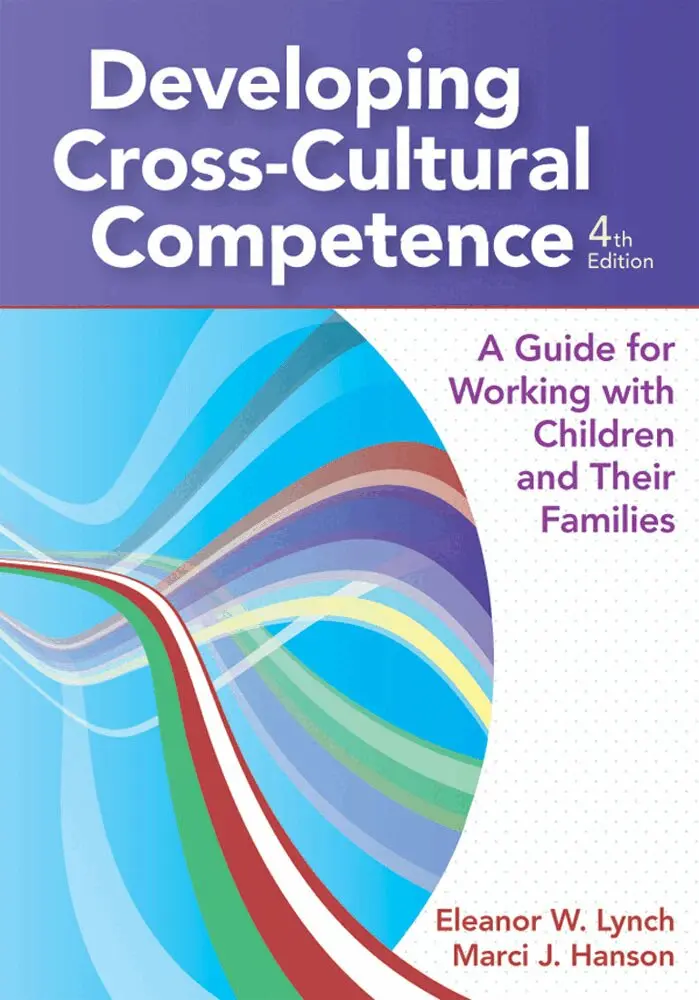
As the US population grows more and more diverse, how can professionals who work with young children and families deliver the best services while honouring different customs, beliefs, and values? The answers are in the fourth edition of this bestselling textbook, fully revised to reflect nearly a decade of population changes and best practices in culturally competent service delivery. The gold-standard text on cross-cultural competence, this book has been widely adopted by college faculty and trusted as a reference by in-service practitioners for almost 20 years. For this timely NEW edition, the highly regarded authors have carefully updated and expanded every chapter while retaining the basic approach and structure that made the previous editions so popular. New to this edition is a revised chapter on African American roots; thoroughly updated and expanded chapters; expanded coverage of disabilities; more on spiritual and religious diversity; and strategies for helping families make decisions about language use (English-only vs. preservation of native language).Equally valuable as a textbook and a reference for practicing professionals, this comprehensive book will prepare early interventionists and other professionals to work effectively with families whose customs, beliefs, and values may differ from their own.
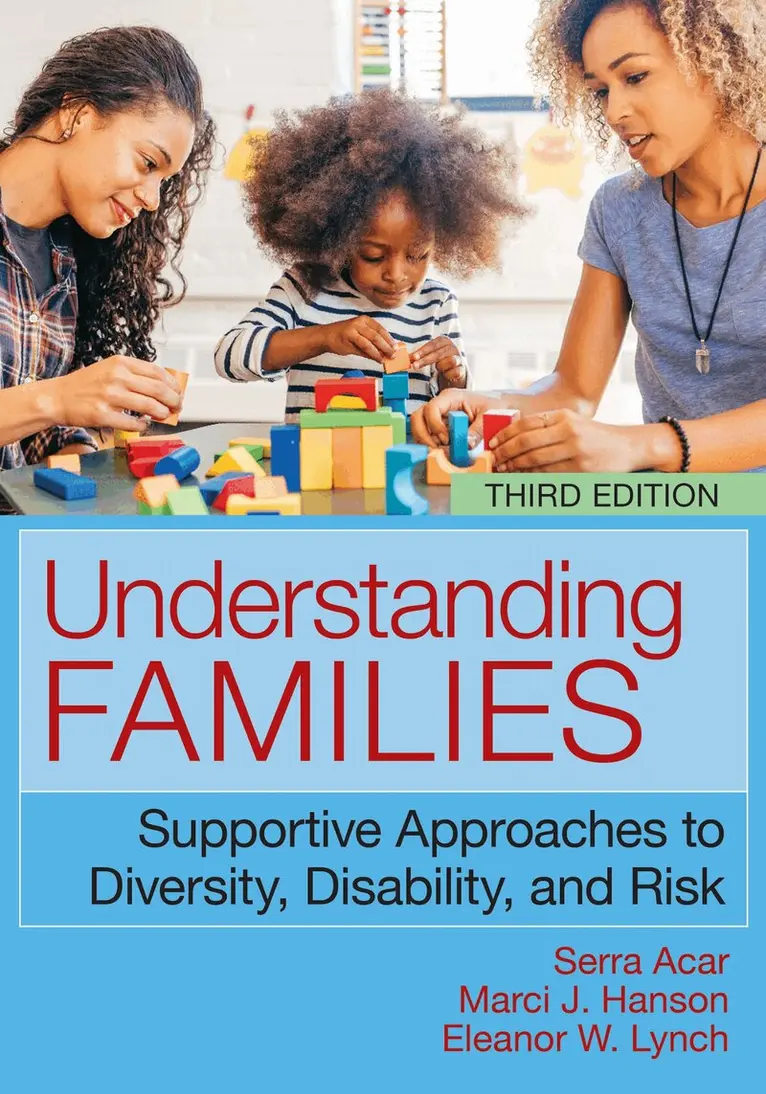
Families of young children are more complex and diverse than ever and today's early childhood professionals must be fully prepared to meet their needs. With the third edition of this bestselling text, pre- and inservice practitioners will develop the critical skills and knowledge they need to understand and support diverse families of children birth to 5. Enhanced with timely updates reflecting changes in the research and the field, this new edition is ideal for use as a professional reference or a core introductory text for child and family courses. Early childhood educators and interventionists will keep this book close at hand year after year to advance their cultural competence and help them meet the individual needs of each family they work with.Learn How To:work effectively and respectfully with families across different contexts, from site-based intervention to home visitsbetter understand the racial, cultural, ethnic, and linguistic underpinnings of a family’s lifedevelop interventions that reflect each family’s viewpoints, practices, and preferencescommunicate and collaborate effectively with every familyprovide culturally responsive support to families of children with disabilitiesaddress risk factors such as poverty, addiction, and violencesupport the emotional well-being of families and strong caregiver–child attachmentguide families in developing the confidence and competence to achieve their goals and help their children thriveNew and updated information on: linguistic challenges and translanguaging immigrant and refugee families DEC EI/ECSE Standards and Recommended Practices race, equity, and social justice foster families unhoused families curriculum materials
Frühgeborene sind höchst verletzliche und gefährdete kleine Menschen, deren pflegerische Versorgung und Entlassung in die häusliche Umgebung sehr anspruchsvoll ist. Pflegende und Eltern sind in dieser Situation stark gefordert und mitunter auch überfordert. Daher ist ein Fachbuch essenziell, das klärt, was bei der Entlassung und häuslichen Versorgung von Frühgeborenen und der Begleitung der Eltern zu beachten ist. Das Praxishandbuch bietet · einen von ANP-Expertinnen für Neugeborenenpflege erstellten evidenzbasierten Praxisleitfaden, · eine klare Darstellung des Verhaltens, der Gefährdungen und Entwicklungspotentiale von Frühgeborenen, · eine instruktive Anleitungen für Eltern zum Umgang mit ihrem Frühchen mit praktische Hilfen und Merkblättern zur Unterstützung von Frühchen-Eltern bei und nach der Entlassung · sowie konkrete, gut belegte, praktische Hilfen zur Entwicklungsförderung von frühgeborenen Kindern. Aus dem Inhalt · Einfluss der Umgebung der Neugeborenen-Station · Ein Frühchen entlassen und gut nach Hause bringen · Fördern der Eltern-Kind-Beziehung/-Bindung · Verhalten und Entwicklung von frühgeborenen Kindern verstehen · Unterstützen der Entwicklung von Frühchen auf ihrem Weg nach Hause und zu Hause · Familienunterstützung · Ressourcen und Unterstützung für Kinder mit besonderen Bedürfnissen finden · Anhänge mit Glossar, Adressen und Handzetteln für Eltern
Today’s American families are more complex and diverse than ever before—and today s child and family professionals must be fully prepared to meet their needs. Interventionists educators, health care professionals, therapists, and social workers will get the strong foundation they need with the NEW edition of this trusted textbook, a comprehensive guide to working effectively and respectfully with contemporary families.Highly respected experts Marci Hanson and Eleanor Lynch have expanded and updated their bestselling text, weaving in cutting-edge research on social, demographic, and economic changes and connecting the research to best practices in family-centered care. With a strong emphasis on family resilience, this book gets preservice and in-service professionals ready towork with a broad range of families with diverse structures, backgrounds, and circumstancescommunicate and collaborate effectively with every family they servesupport families of children with disabilitiesadvance strong parent–child attachment and interactionsmatch services and supports with each family s desired goals and outcomesaddress risk factors such as poverty, addiction, and violence promote the mental health of young children and their parents apply human development theories in their work with childrendefuse common sources of tension between families and professionalsWith this cornerstone textbook, the new generation of child and family professionals will have the research and practical guidance they need to improve the lives and outcomes of 21st-century families.WHAT’S NEWTimely new information on:Demographic changes in the past decadeCultural and linguistic diversity Economic issues caused by the recessionThe needs of infants and very young childrenInfant mental health