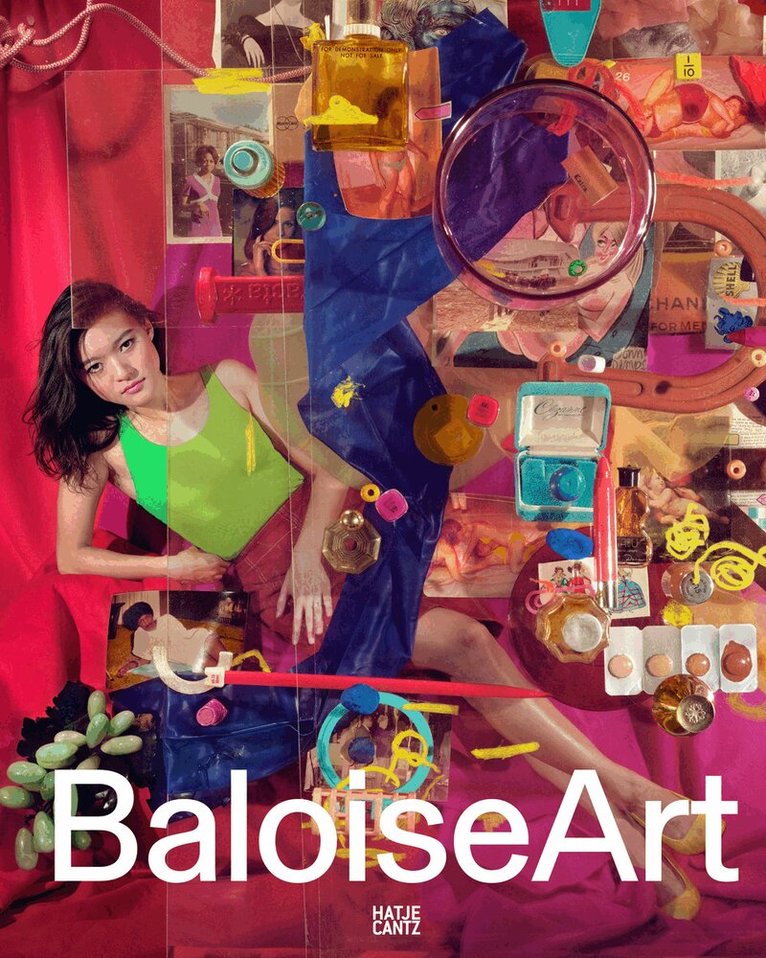
The Swiss company Baloise has a reputation among art experts, but not just as an insurance and financial services company. With its programs that support art, its collaborations with museums, and the renowned Baloise Art Prize for young artists, which is awarded at Art Basel, the company has had a lasting effect on the development of contemporary art. Less well-known up to now is the fact that, parallel to the company’s activities, it has also built a first-class art collection, which dates back to the mid-twentieth century. Since turning to contemporary art in the 1990s, the company has collected the works of notable artists. With a focus on photography and works on paper from the 1960s onward, some of the artists represented in the collection are Miriam Cahn, Simon Denny, Katharina Fritsch, Bruce Nauman, and Jeff Wall. Baloise Art is the first publication to provide a broader audience with an overview of the collection. Informative texts by prestigious authors accompany the artworks.
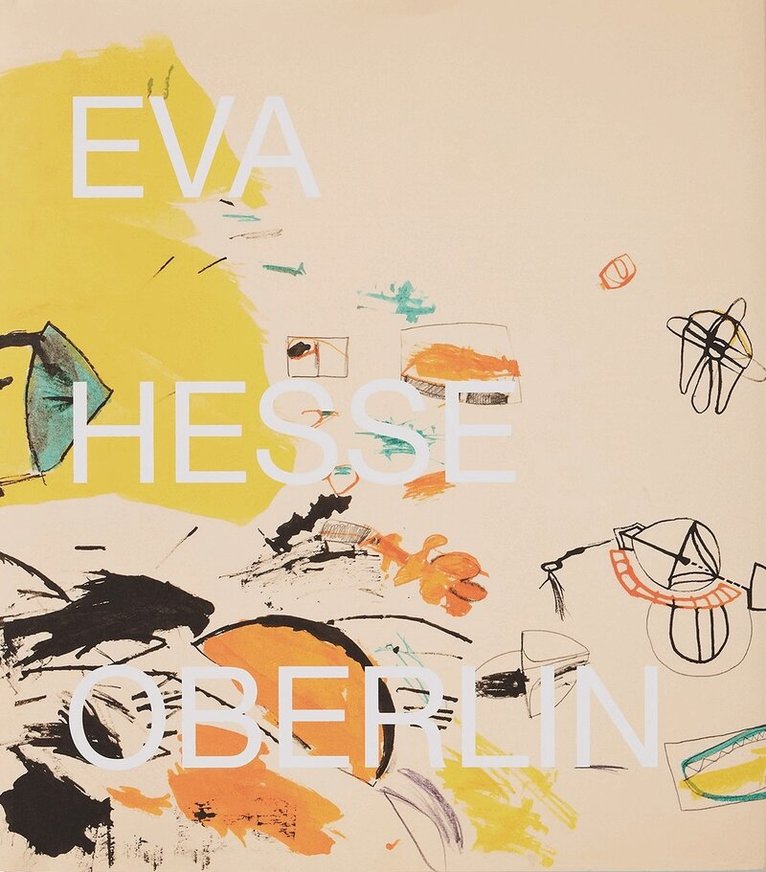
This monumental tome contains the entirety of the important German artist's drawings held in the collection of the Allen Memorial Art Museum, Oberlin College, Ohio. The AMAM was the first museum to purchase a sculpture, Laocoon, by Hesse, in 1970. In gratitude for its recognition of Hesse's work, and following the artist's untimely death, her sister Helen Hesse Charash generously donated the artist's notebooks, diaries, sketchbooks, photographs and letters to the museum.Hesse's drawings played a crucial role played in her work, which in turn gave way to an array of highly innovative techniques and styles that today still defy classification. As she commented in 1970: I had a great deal of difficulty with painting but never with drawing.... The translation or transference to a large scale and in painting was always tedious. . . . So I started working in relief and with line using the cords and ropes that are now so commonly used. Hesse's custom of introducing sculptural materials into drawing and painting continues to influence the multidisciplinary work prevalent in contemporary art.Eva Hesse (1936 70) was one of the foremost women artists of the twentieth century. Her artistic practice combined the seriality and reduction of 1960s Minimalism with emotion, sensuousness and physicality, while the transparency and transience of her unconventional materials also contributed greatly to her unique position in the art world of her day. Her work is in the collections of the Museum of Modern Art, the Tate, the Guggenheim and many others.
In a survey that begins in the mid-twentieth century, long before the birth of the Internet, this book traces painting's capacity to digest and transform other media, even as its own legitimacy has been questioned. Featuring the work of numerous renowned artists, from Joseph Beuys to Cy Twombly to Amy Sillman, the book examines how painting has addressed digital technology as it relates to human experience and perception and includes three in-depth essays and additional texts by influential thinkers from the field. Comprehensive and lavishly illustrated, a wide range of works are presented that reconsider the assumed opposition of the digital and the analog, the human and the technological, arguing that painting has served as a means to represent-and even enact-new media. This book affirms the ongoing vitality of the medium of painting in the midst of a digital world.