

Del 1 - Dead Club
The Dead Club
Häftad, Engelska, 2015
128 kr
Skickas inom 7-10 vardagar
128 kr
Skickas inom 7-10 vardagar
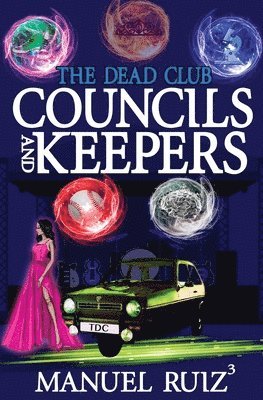
136 kr
Skickas inom 7-10 vardagar
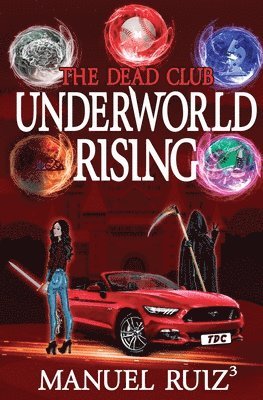
131 kr
Skickas inom 7-10 vardagar

196 kr
Skickas inom 7-10 vardagar
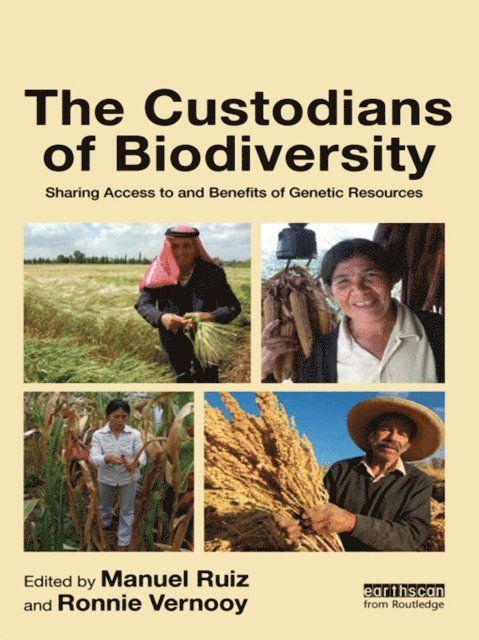
653 kr
Läs direkt efter köp
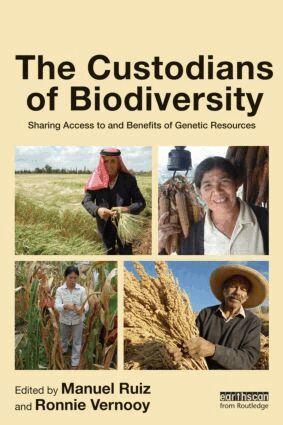
Globally, local and indigenous approaches to conserving biodiversity, crop improvement, and managing precious natural resources are under threat. Many communities have to deal with ''biopiracy,'' for example. As well, existing laws are usually unsuitable for protecting indigenous and traditional knowledge and for recognizing collective rights, such as in cases of participatory plant breeding, where farmers, researchers and others join forces to improve existing crop varieties or develop new ones, based on shared knowledge and resources.
This book addresses these issues. It outlines the national and international policy processes that are currently underway to protect local genetic resources and related traditional knowledge and the challenges these initiatives have faced. In particular these themes are addressed within the context of the Convention of Biological Diversity and the International Treaty on Plant Genetic Resources for Food and Agriculture. The authors broaden the policy and legal debates beyond the sphere of policy experts to include the knowledge-holders themselves. These are the ''custodians of biodiversity'': farmers, herders and fishers in local communities. Their experience in sharing access and benefits to genetic resources is shown to be crucial for the development of effective national and international agreements. The book presents and analyzes this experience, including case studies from China, Cuba, Honduras, Jordan, Nepal, Peru and Syria.
Copublished with the International Development Research Centre (IDRC).
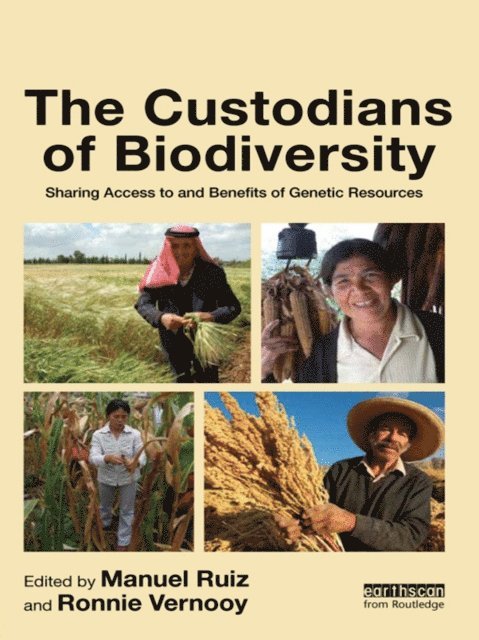
653 kr
Läs direkt efter köp
Globally, local and indigenous approaches to conserving biodiversity, crop improvement, and managing precious natural resources are under threat. Many communities have to deal with ''biopiracy,'' for example. As well, existing laws are usually unsuitable for protecting indigenous and traditional knowledge and for recognizing collective rights, such as in cases of participatory plant breeding, where farmers, researchers and others join forces to improve existing crop varieties or develop new ones, based on shared knowledge and resources.
This book addresses these issues. It outlines the national and international policy processes that are currently underway to protect local genetic resources and related traditional knowledge and the challenges these initiatives have faced. In particular these themes are addressed within the context of the Convention of Biological Diversity and the International Treaty on Plant Genetic Resources for Food and Agriculture. The authors broaden the policy and legal debates beyond the sphere of policy experts to include the knowledge-holders themselves. These are the ''custodians of biodiversity'': farmers, herders and fishers in local communities. Their experience in sharing access and benefits to genetic resources is shown to be crucial for the development of effective national and international agreements. The book presents and analyzes this experience, including case studies from China, Cuba, Honduras, Jordan, Nepal, Peru and Syria.
Copublished with the International Development Research Centre (IDRC).

276 kr
Skickas inom 7-10 vardagar

276 kr
Skickas inom 7-10 vardagar

263 kr
Skickas inom 7-10 vardagar

241 kr
Skickas inom 7-10 vardagar

245 kr
Skickas inom 7-10 vardagar
707 kr
Skickas inom 10-15 vardagar

85 kr
Läs direkt efter köp
82 kr
Läs direkt efter köp