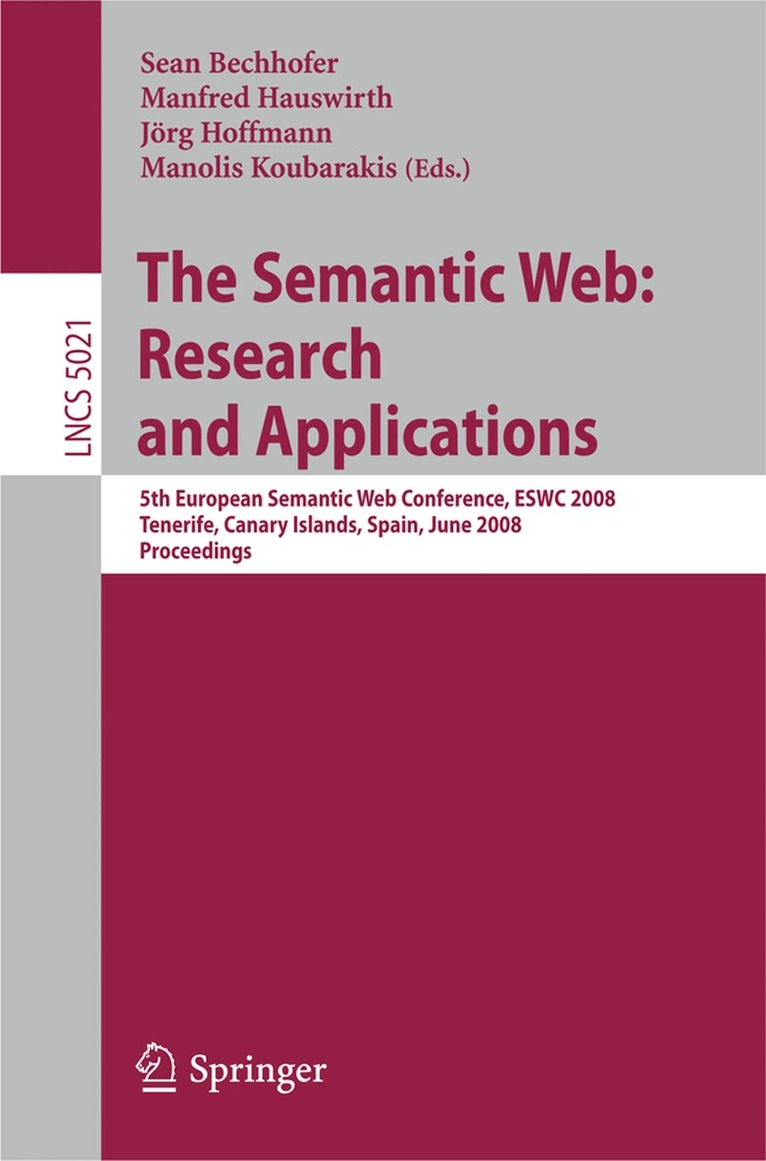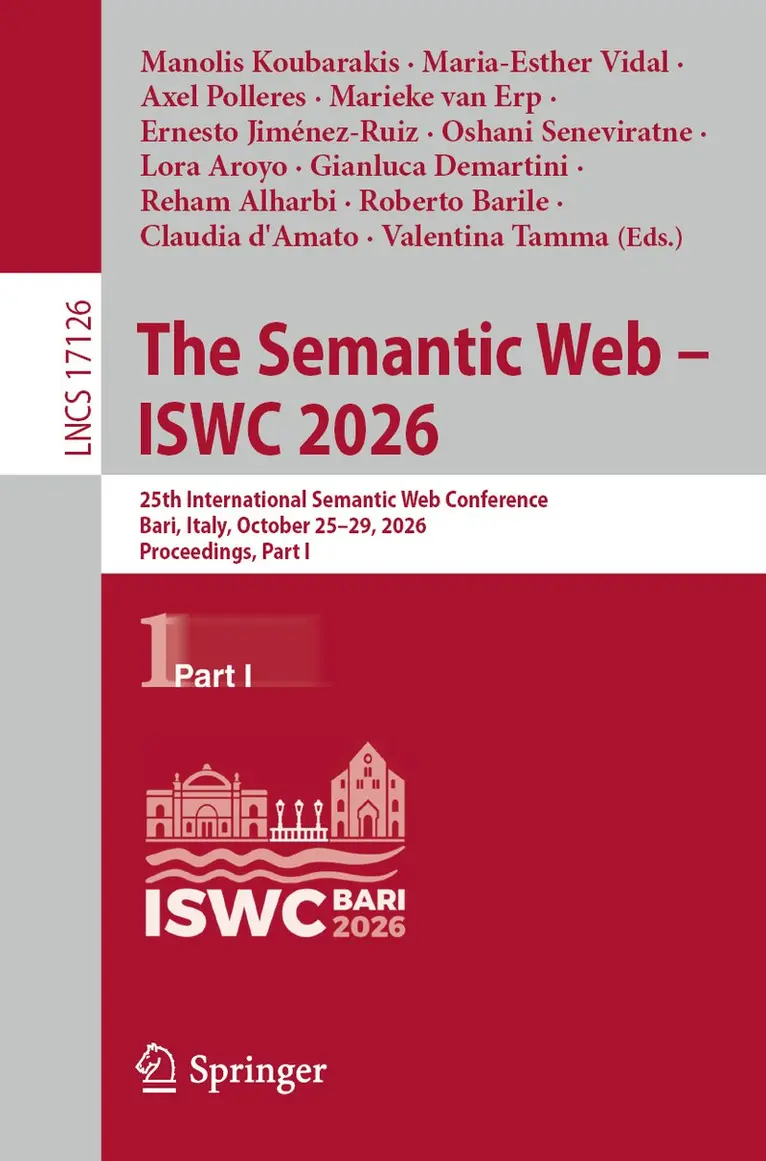
The Semantic Web – ISWC 2026
25th International Semantic Web Conference, Bari, Italy, October 25–29, 2026, Proceedings, Part I
1 006 kr
Skickas inom 7-10 vardagar
25th International Semantic Web Conference, Bari, Italy, October 25–29, 2026, Proceedings, Part I
1 006 kr
Skickas inom 7-10 vardagar
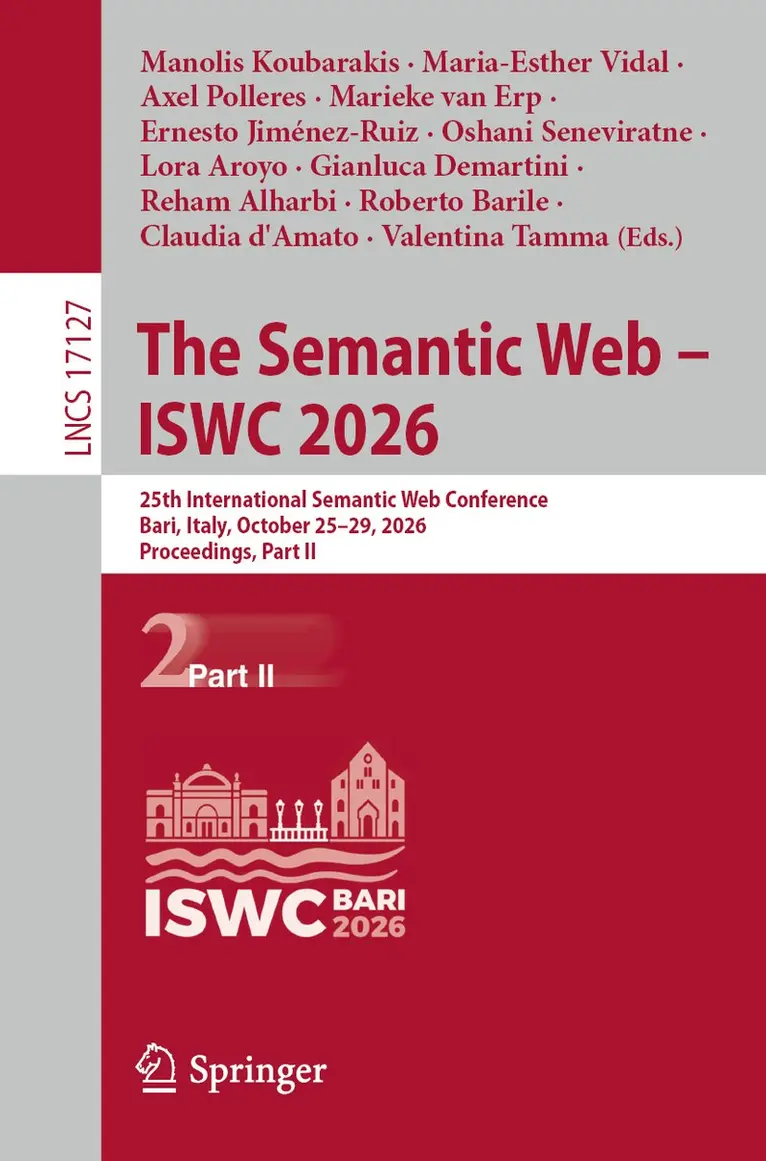
25th International Semantic Web Conference, Bari, Italy, October 25–29, 2026, Proceedings, Part II
1 011 kr
Skickas inom 10-15 vardagar
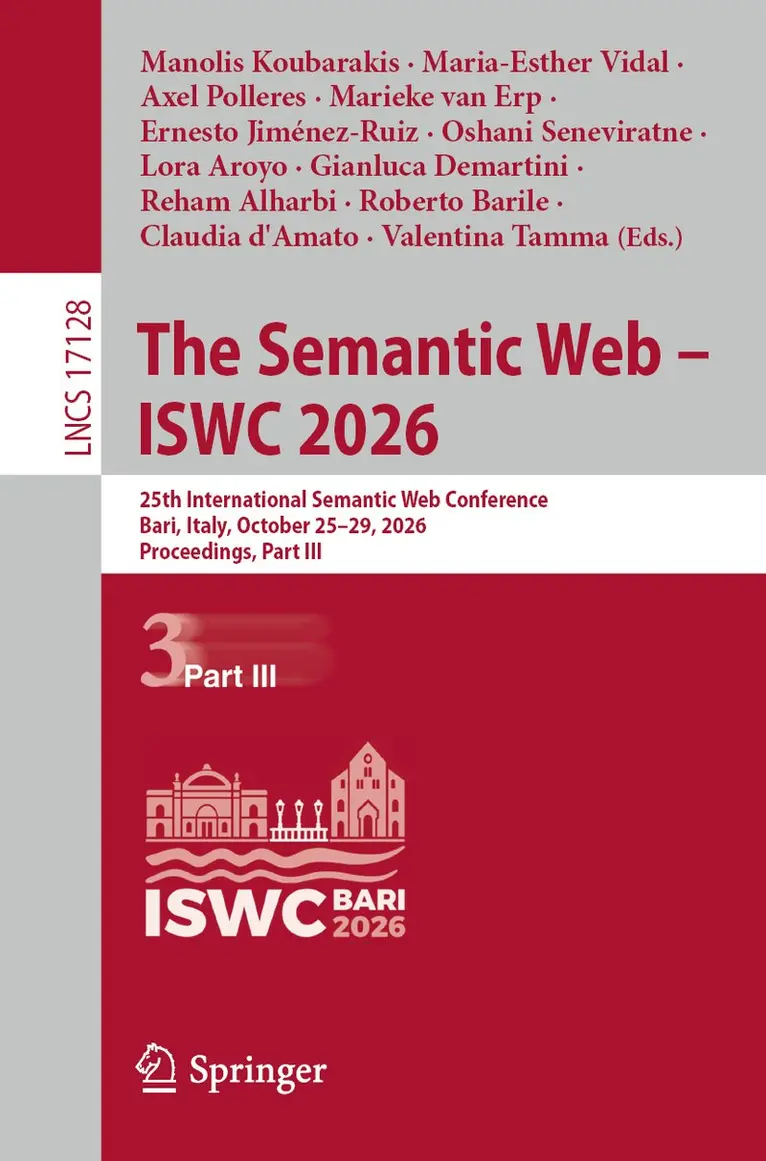
25th International Semantic Web Conference, Bari, Italy, October 25–29, 2026, Proceedings, Part III
1 011 kr
Skickas inom 10-15 vardagar
1 325 kr
Läs direkt efter köp
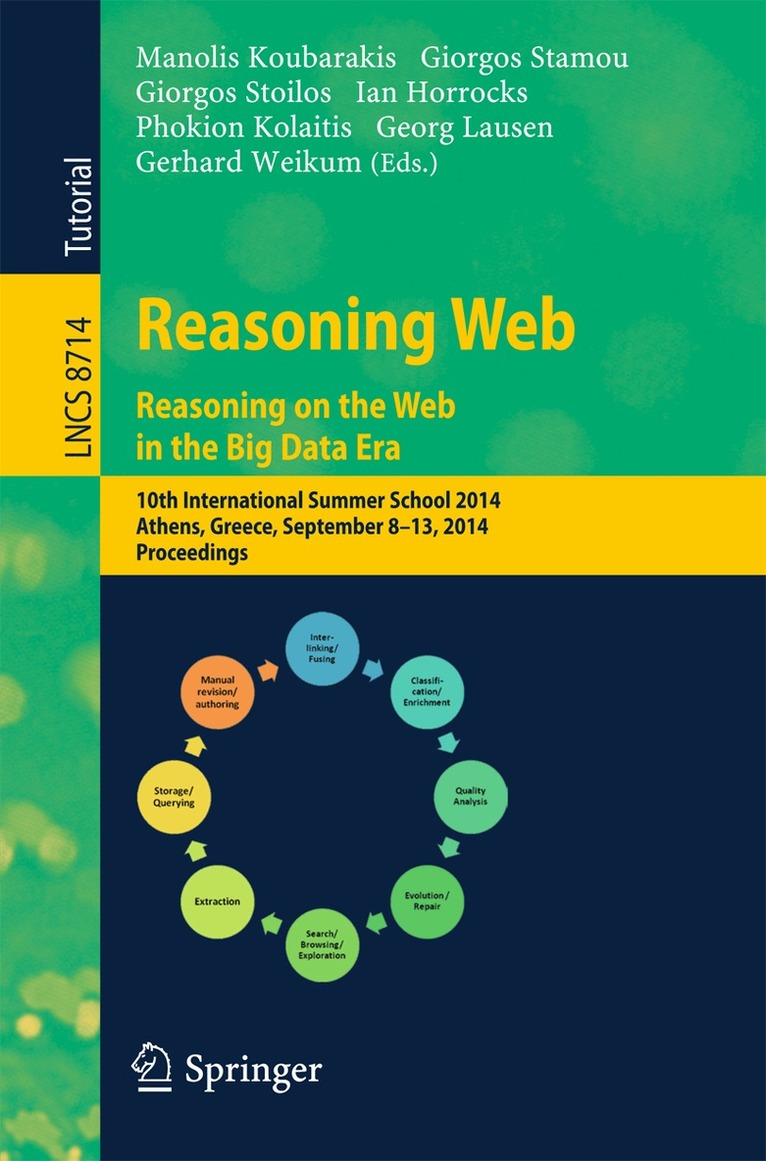
10th International Summer School 2014, Athens, Greece, September 8-13, 2014. Proceedings
567 kr
Skickas inom 10-15 vardagar
755 kr
Läs direkt efter köp
565 kr
Skickas inom 10-15 vardagar
1 123 kr
Skickas inom 10-15 vardagar
750 kr
Läs direkt efter köp
1 502 kr
Läs direkt efter köp
532 kr
Skickas inom 10-15 vardagar
565 kr
Skickas inom 10-15 vardagar
722 kr
Läs direkt efter köp
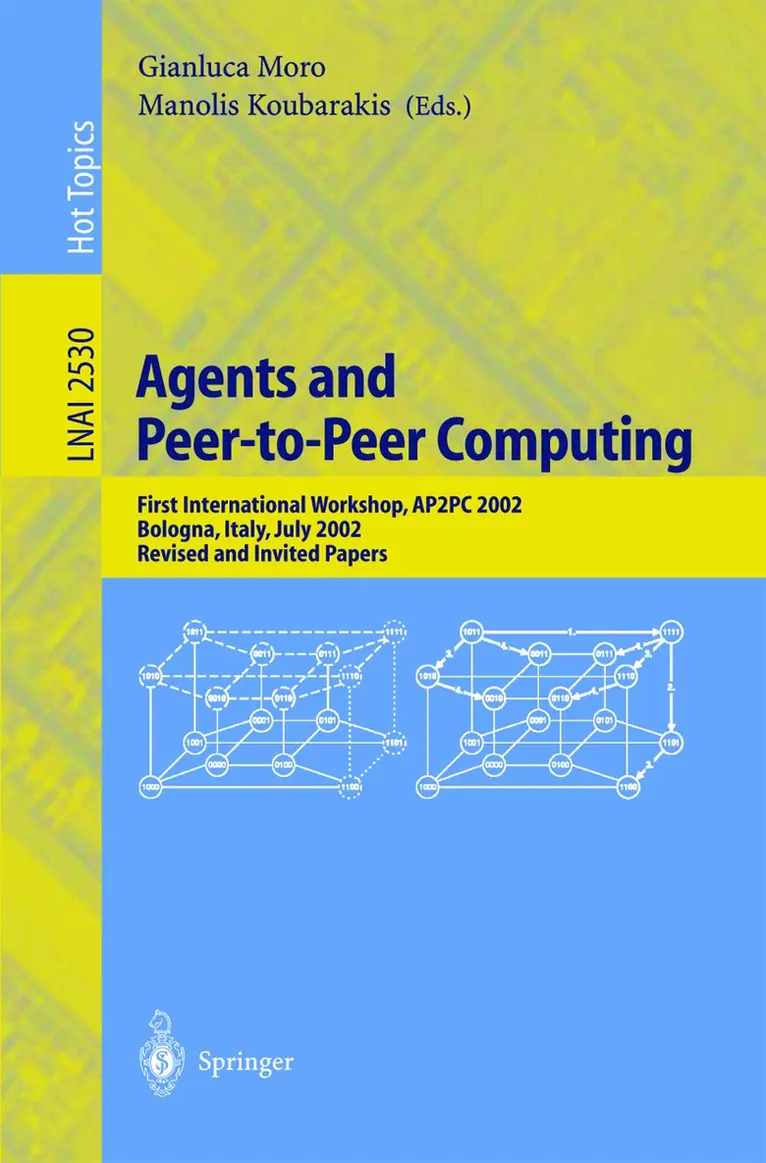
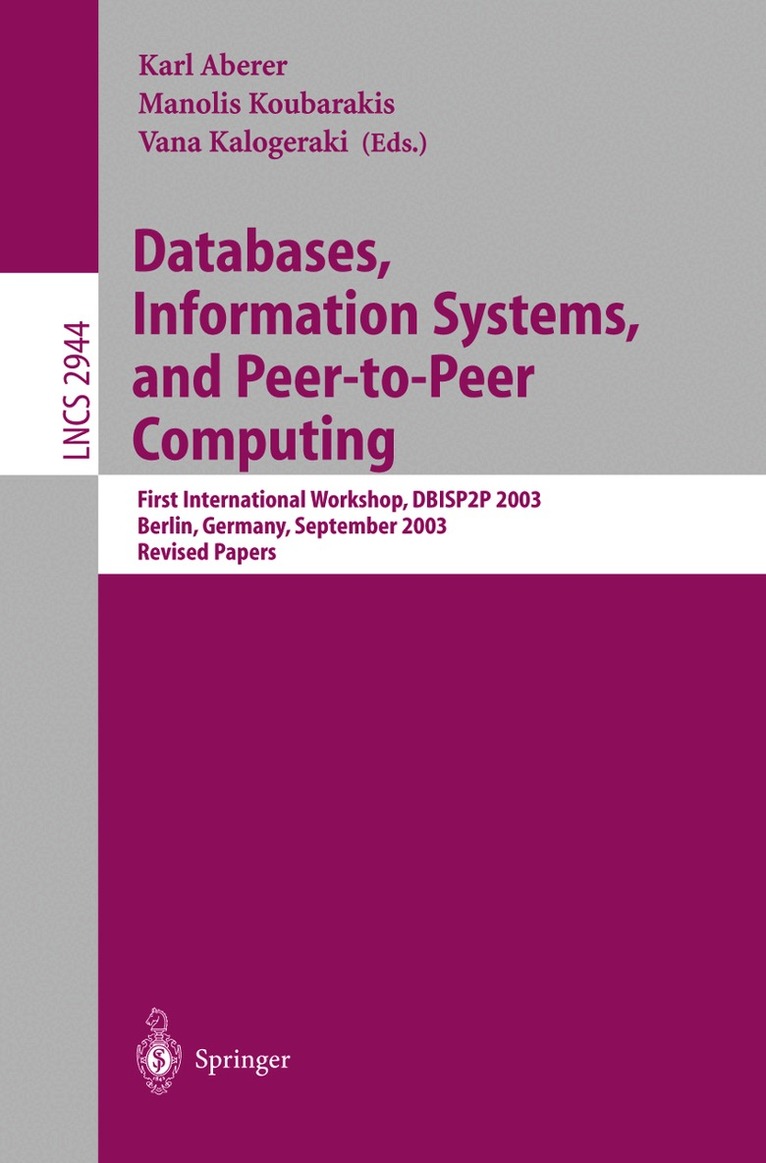
Peer-to-peer (P2P) computing is currently attracting enormous public attention, spurred by the popularity of file-sharing systems such as Napster, Gnutella, and Morpheus. In P2P systems a very large number of autonomous computing nodes, the peers, rely on each other for services. P2P networks are emerging as a new distributed computing paradigm because of their potential to harness the computing power of the hosts composing the network, and because they make their underutilized resources available to each other.
This book brings together three especially commissioned invited articles, an introduction, and revised versions of the papers presented at the 1st International Workshop on Agents and Peer-to-Peer Computing, AP2PC 2002, held in Bologna, Italy in July 2002. The book is organized into topical sections on peer-to-peer services, discovery and delivery of trustworthy services, and search and cooperation in peer-to-peer agent systems.
734 kr
Läs direkt efter köp
1 127 kr
Skickas inom 10-15 vardagar
1 492 kr
Läs direkt efter köp
788 kr
Skickas inom 10-15 vardagar
584 kr
Skickas inom 7-10 vardagar
497 kr
Läs direkt efter köp
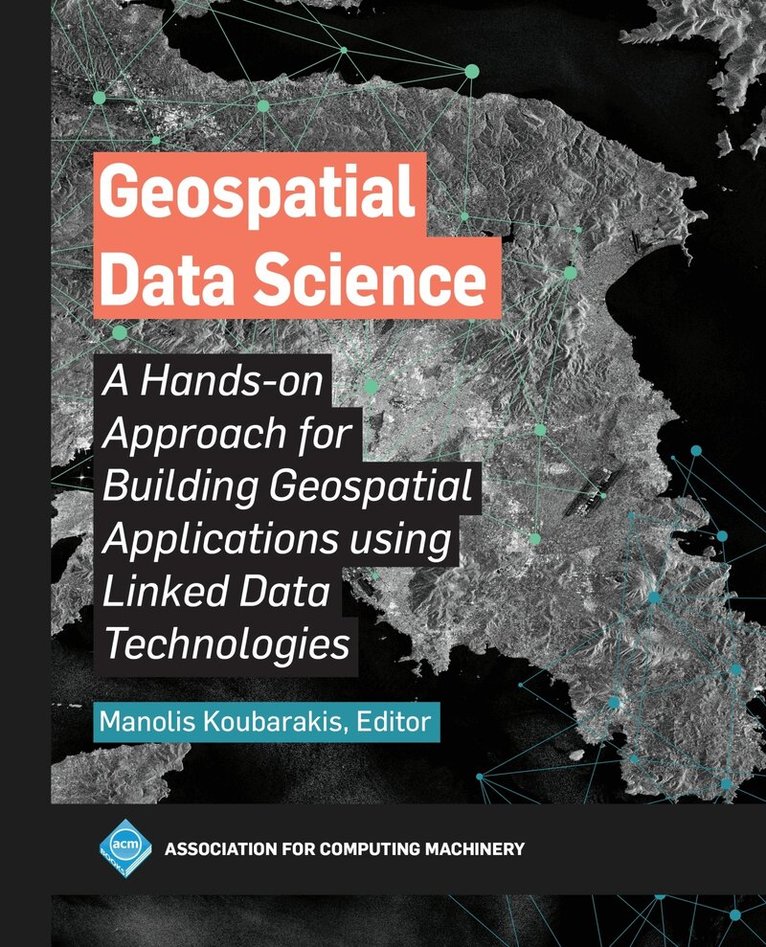
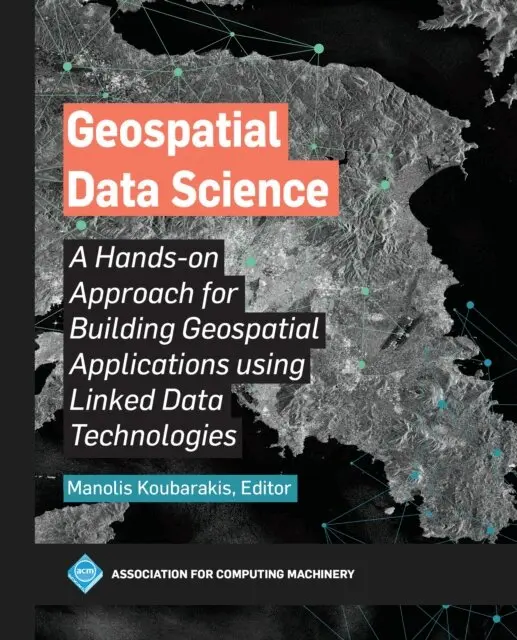
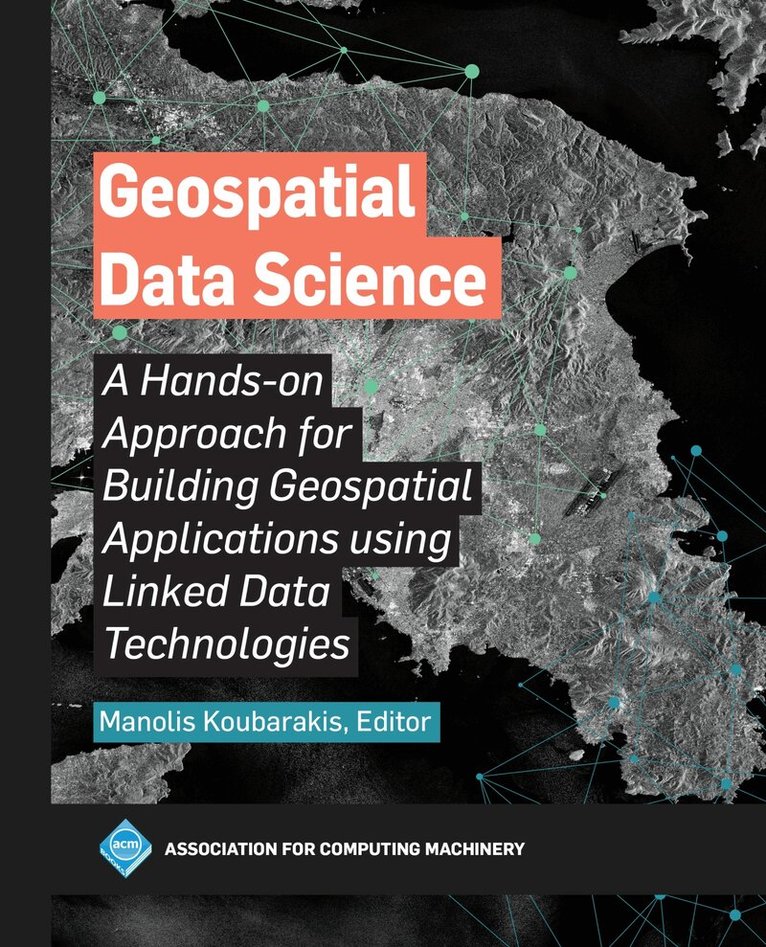
This introductory textbook teaches the simple development of geospatial applications based on the principles and software tools of geospatial data science. It introduces a new generation of geospatial technologies that have emerged from the development of the Semantic Web and the linked data paradigm, and shows how data scientists can use them to build environmental applications easily.
Geospatial data science is the science of collecting, organizing, analyzing, and visualizing geospatial data. Since around 2010, there has been extensive work in the area of geospatial data science using semantic technologies and linked data, from researchers in the areas of the Semantic Web, Geospatial Databases and Geoinformatics. The main results of this research have been the publication of the OGC standard GeoSPARQL and the implementation of a number of linked data tools supporting this standard. Up to now, there has been no textbook that enables someone to teach this material to undergraduate or graduate students.
The material of the book is developed in a tutorial style and it is appropriate for an introductory course on the subject. This can be an advanced undergraduate course or a graduate course offered by Computer Science or GIS faculty. It is a hands-on approach and every chapter contains exercises that help students master the material.
The book is accompanied by a Web site: https://ai.di.uoa.gr/geospatial-data-science-book/index.html where solutions to some of the exercises are given together with supplementary material such as datasets and code. Most of the material in the book has been tried in the “Knowledge Technologies” course taught by the first author in the Department of Informatics and Telecommunications of the National and Kapodistrian University of Athens since 2012.
814 kr
Skickas inom 7-10 vardagar
493 kr
Läs direkt efter köp
This introductory textbook teaches the simple development of geospatial applications based on the principles and software tools of geospatial data science. It introduces a new generation of geospatial technologies that have emerged from the development of the Semantic Web and the linked data paradigm, and shows how data scientists can use them to build environmental applications easily.
Geospatial data science is the science of collecting, organizing, analyzing, and visualizing geospatial data. Since around 2010, there has been extensive work in the area of geospatial data science using semantic technologies and linked data, from researchers in the areas of the Semantic Web, Geospatial Databases and Geoinformatics. The main results of this research have been the publication of the OGC standard GeoSPARQL and the implementation of a number of linked data tools supporting this standard. Up to now, there has been no textbook that enables someone to teach this material to undergraduate or graduate students.
The material of the book is developed in a tutorial style and it is appropriate for an introductory course on the subject. This can be an advanced undergraduate course or a graduate course offered by Computer Science or GIS faculty. It is a hands-on approach and every chapter contains exercises that help students master the material.
The book is accompanied by a Web site: https://ai.di.uoa.gr/geospatial-data-science-book/index.html where solutions to some of the exercises are given together with supplementary material such as datasets and code. Most of the material in the book has been tried in the “Knowledge Technologies” course taught by the first author in the Department of Informatics and Telecommunications of the National and Kapodistrian University of Athens since 2012.