Once Upon a Time (Bomb) is a charming memoir of a young boy growing up in El Salvador. It tells the story of Alfonso Duque the Thirteenth, a youngster from a poverty-stricken family and a budding poet. Surrounded by hovering women-his mother, aunts, grandmothers, and sisters-little Alfonso still manages to enjoy boyish pranks and endure scraped elbows, knees, and ego while also discovering the pleasures of reading. The womenfolk laughingly describe him on his "throne" atop the trees or back in the outhouse, where he often escapes to read. This work of innocence is set against a darker backdrop of the growing violence in the Salvadoran countryside and the news coming from the fronts of the Second World War.Argueta incorporates many of the best-loved local folktales into the narrative, the Siguanaba, Chinchintora the Snake, Theodora the Coyote, some of them personalized or hilariously adapted by the women to fit their own circumstances.In the book, the author works through memory, re-encounters a nostalgic past, re-creates paradise, and re-acquaints himself with his poetic roots after years of exile from poetry, his homeland, and the luxury of dreaming.
Once Upon a Time (Bomb) is a charming memoir of a young boy growing up in El Salvador. It tells the story of Alfonso Duque the Thirteenth, a youngster from a poverty-stricken family and a budding poet. Surrounded by hovering women-his mother, aunts, grandmothers, and sisters-little Alfonso still manages to enjoy boyish pranks and endure scraped elbows, knees, and ego while also discovering the pleasures of reading. The womenfolk laughingly describe him on his "throne" atop the trees or back in the outhouse, where he often escapes to read. This work of innocence is set against a darker backdrop of the growing violence in the Salvadoran countryside and the news coming from the fronts of the Second World War.Argueta incorporates many of the best-loved local folktales into the narrative, the Siguanaba, Chinchintora the Snake, Theodora the Coyote, some of them personalized or hilariously adapted by the women to fit their own circumstances.In the book, the author works through memory, re-encounters a nostalgic past, re-creates paradise, and re-acquaints himself with his poetic roots after years of exile from poetry, his homeland, and the luxury of dreaming.
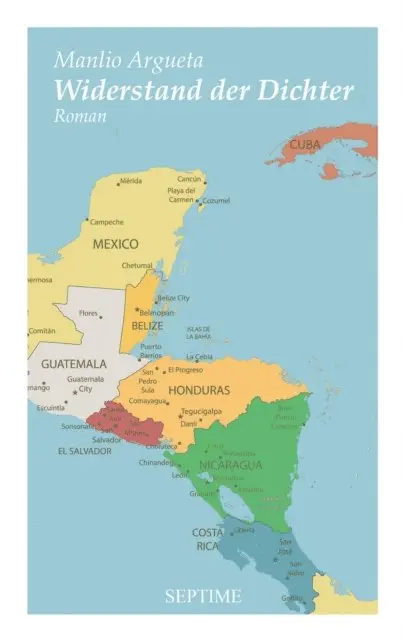
El Salvador, Zentralamerika: Die drei Dichterfreunde Henri Michó, Pablo Vallejo und Rubén Asturias schrei-ben rebellische, kritische und sozialpolitisch engagierte Gedichte. Zudem haben sie vor Kurzem eine literarische Zeitschrift sowie eine Radiosendung gegründet, in denen sie, allen Warnungen zum Trotz, Politiker der Militärdiktatur sowie »hörige« Intellektuelle und Dichter anklagen. Doch als sowohl Pablo als auch Henri vom Militär entführt und die ersten Bomben in ihren Gärten deponiert werden, wird schnell klar, dass ihr widerspenstiges Schreiben und Sprechen nicht ohne Folgen bleiben wird. Sie müssen reagieren, nur wie? Sollen sie, zu Feinden der Diktatur geworden, ins Exil gehen oder die Waffe der Poesie durch eine echte ersetzen und sich den Guerillagruppen in den Bergen anschließen? Wie Sandkörner werden sie in der Diaspora verstreut: Rubén erforscht die Gedichte eines guatemaltekischen Dichters in Russland, Henri reist nach seiner Festnahme zuerst illegal nach Guatemala und Mexiko, und dann weiter in die USA, und Pablo flieht nach einer Entführung und einem erzwungenen TV-Geständnis nach Kanada, bevor alle drei in Costa Rica wieder aufeinandertreffen. Widerstand der Dichter legt auf wunderbar skurrile Weise und mit bissig schwarzem Humor literarisch Zeugnis von der »generación comprometida« (1956–1996) ab. Einer literarischen Gruppierung avantgardistischer und widerständiger Intellektueller, Dichter, Künstler und Studenten aus El Salvador, deren international bekanntester Vertreter neben Manlio Argueta der Dichter Roque Dalton ist.
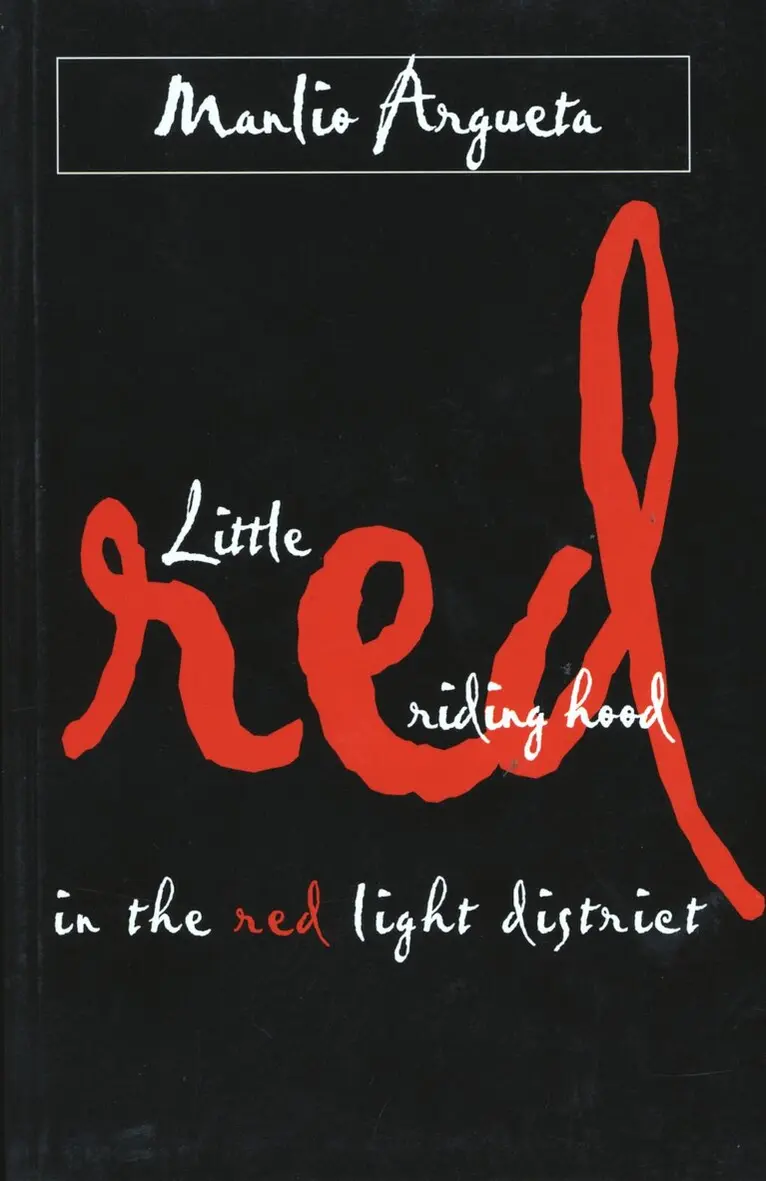
Little Red Riding Hood in the Red Light District is Manlio Argueta's most popular novel in El Salvador. It has gone through eight editions and has been newly revised by the author for this English translation. The story revolves around the relationship of two young lovers in a time of political upheaval Manlio Argueta's novels have earned him an international reputation and have endeared him to the Salvadoran people. Caperucita en la zona roja received the Casa de las Americas Prize in 1977. Manlio Argueta currently lives in San Salvador.
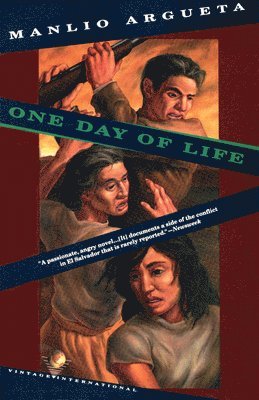
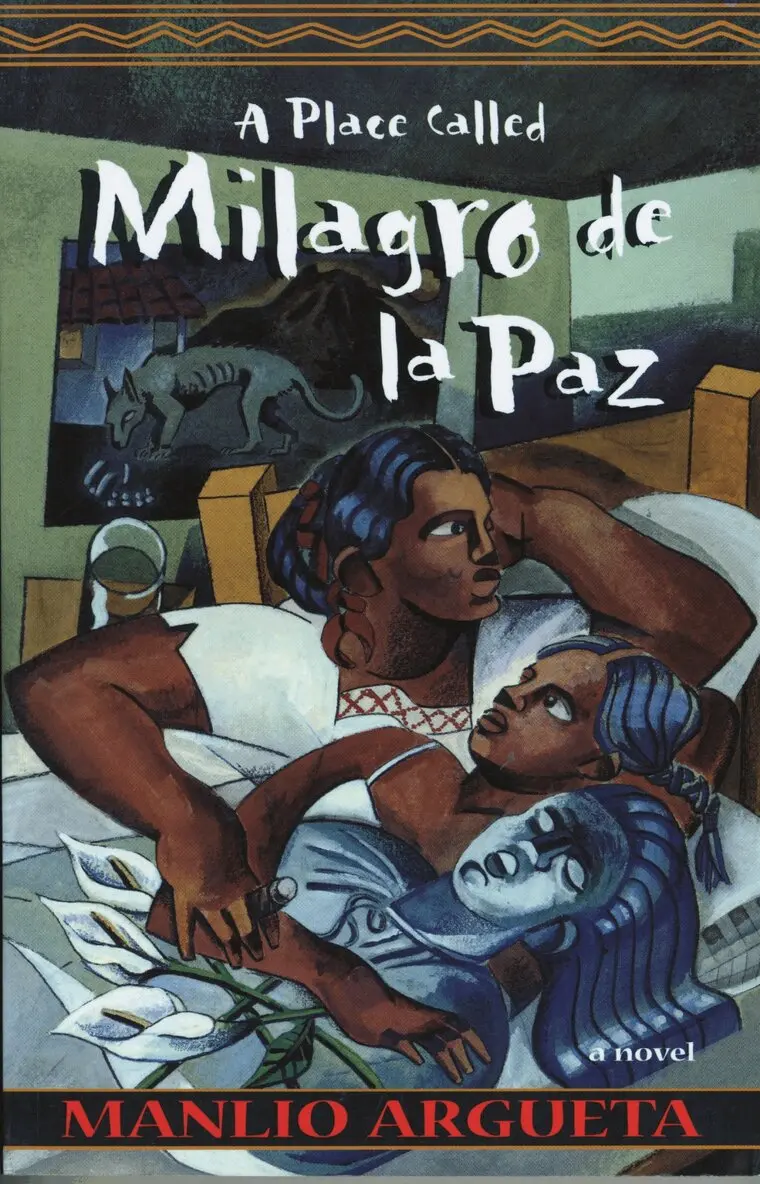
This remarkable novel continues the saga of life among the common people in El Salvador begun with One Day of Life. A Place Called Milagro de la Paz tells the story of the courage and strength of two women, a single mother and her daughter, who have to overcome the trauma of the murder of the mother's older daughter and survive in an atmosphere of bitter poverty and repression. The book is filled, however, with magical, lyric moments of love and hope, especially surrounding the figure of a strange young girl with butterflies in her hair who appears suddenly and adopts the family. The tiny family group bravely preserves traditional values in spite of fear and repression. This new novel is Argueta's most lyrical work to date.