
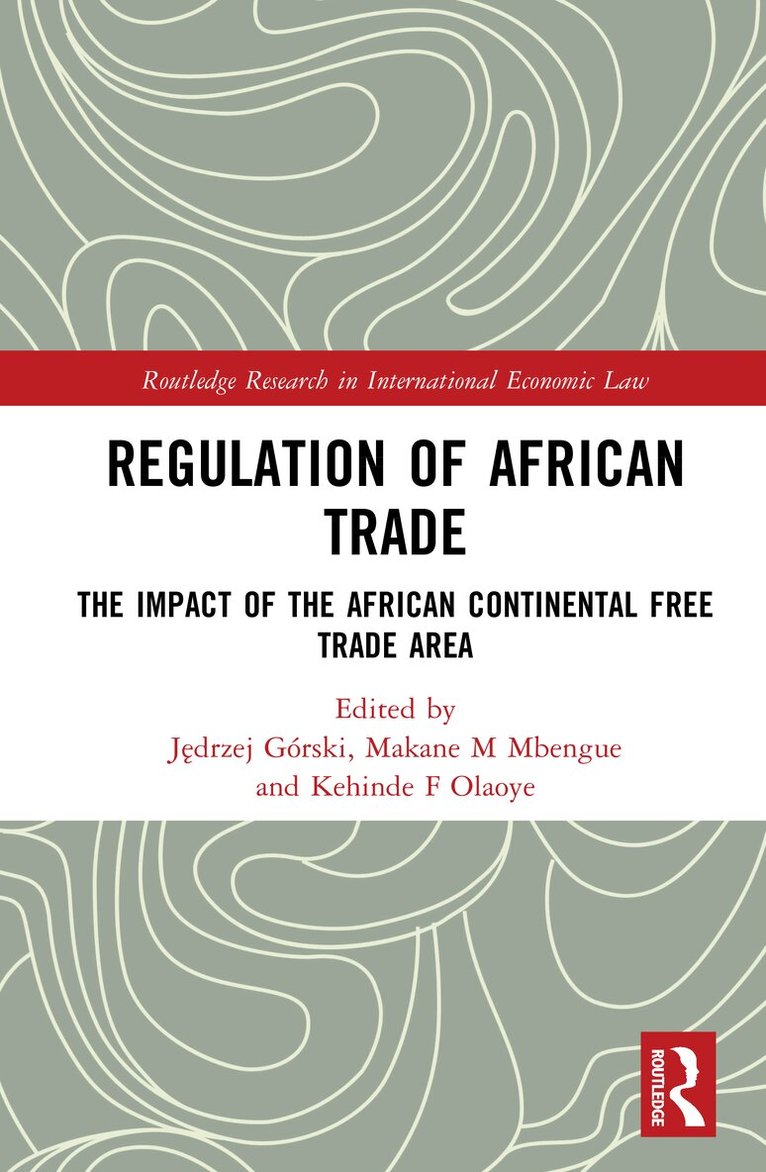
In 2018, member states of the African Union signed the African Continental Free Trade Area Agreement (AfCFTA) to implement a single continental market for goods and services and establish a continental customs union. This book discusses regulatory developments across the African continent meant to accommodate and/or further drive economic realities on the ground. The focus here is on the trade in goods.Divided into three parts, the first presents the big picture of Africa's economic integration and AfCFTA's role in this process, addressing cross-border trade facilitation, the shift from Eurocentric to Afrocentric investment policy, and the Agreement's economic and welfare effects. Part II turns to the AfCFTA's dispute settlement mechanism, weighing its debt to WTO procedures against the balance it strikes between state sovereignty and effective adjudication. Part III examines regionalism as a foundation of African economic governance, from Regional Economic Communities and rules of origin to non-tariff barriers, Chinese lending, and prospective investment ties with the Eurasian Economic Union.Written by a combination of academics and practitioners, the work will be a valuable resource for those working in the areas of International Economic Law, International Trade Law, African Law and Development.
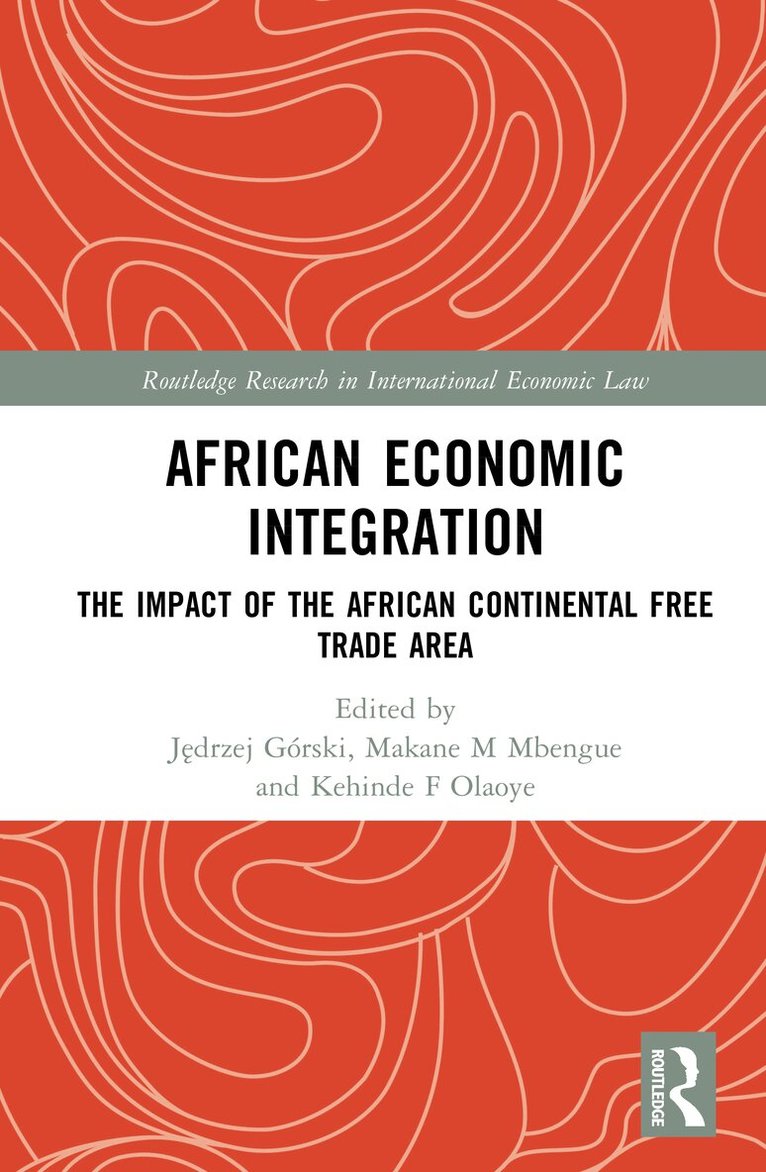
In 2018, member states of the African Union signed the African Continental Free Trade Area Agreement (AfCFTA) to implement a single continental market for goods and services and establish a continental customs union. This book focuses on Phase II of the agreement, which is particularly related to negotiations for an Investment Protocol based on the text of the 2016 Pan African Investment Code (PAIC).Divided into three parts, the first addresses reform of investor-State dispute settlement under the AfCFTA, from proposals for continental investment courts and tribunals to expanded arbitration rights for host-state citizens. Part II turns to investment policy and treaty practice, considering how the Investment Protocol should define protectable investment, the PAIC as a negotiating model, and the interplay between regional and domestic investment laws. Part III covers sector-specific topics shaped by the AfCFTA, including commercial arbitration, environmental protection, food security, data sovereignty, technology transfer and intellectual property.Written by a combination of academics and practitioners, the work will be a valuable resource for those working in the areas of International Economic Law, International Trade Law, African Law and Development.
In 2018, member states of the African Union signed the African Continental Free Trade Area Agreement (AfCFTA) to implement a single continental market for goods and services and establish a continental customs union. This book discusses regulatory developments across the African continent meant to accommodate and/or further drive economic realities on the ground. The focus here is on the trade in goods.Divided into three parts, the first presents the big picture of Africa's economic integration and AfCFTA's role in this process, addressing cross-border trade facilitation, the shift from Eurocentric to Afrocentric investment policy, and the Agreement's economic and welfare effects. Part II turns to the AfCFTA's dispute settlement mechanism, weighing its debt to WTO procedures against the balance it strikes between state sovereignty and effective adjudication. Part III examines regionalism as a foundation of African economic governance, from Regional Economic Communities and rules of origin to non-tariff barriers, Chinese lending, and prospective investment ties with the Eurasian Economic Union.Written by a combination of academics and practitioners, the work will be a valuable resource for those working in the areas of International Economic Law, International Trade Law, African Law and Development.
In 2018, member states of the African Union signed the African Continental Free Trade Area Agreement (AfCFTA) to implement a single continental market for goods and services and establish a continental customs union. This book focuses on Phase II of the agreement, which is particularly related to negotiations for an Investment Protocol based on the text of the 2016 Pan African Investment Code (PAIC).Divided into three parts, the first addresses reform of investor-State dispute settlement under the AfCFTA, from proposals for continental investment courts and tribunals to expanded arbitration rights for host-state citizens. Part II turns to investment policy and treaty practice, considering how the Investment Protocol should define protectable investment, the PAIC as a negotiating model, and the interplay between regional and domestic investment laws. Part III covers sector-specific topics shaped by the AfCFTA, including commercial arbitration, environmental protection, food security, data sovereignty, technology transfer and intellectual property.Written by a combination of academics and practitioners, the work will be a valuable resource for those working in the areas of International Economic Law, International Trade Law, African Law and Development.