

Häftad, Engelska, 2005
249 kr
Skickas inom 3-6 vardagar
249 kr
Skickas inom 3-6 vardagar
290 kr
Skickas inom 7-10 vardagar

426 kr
Skickas inom 10-15 vardagar
185 kr
Skickas inom 7-10 vardagar

274 kr

316 kr
Skickas inom 7-10 vardagar
382 kr
Skickas

125 kr
Läs direkt efter köp
189 kr
Läs direkt efter köp

277 kr
Skickas inom 3-6 vardagar

197 kr
Kommande
357 kr
Läs direkt efter köp
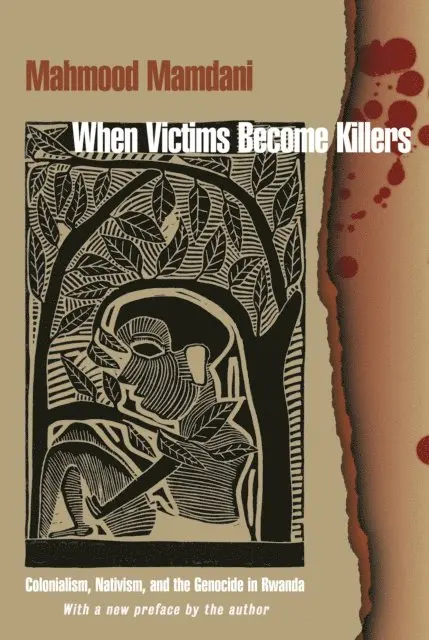
An incisive look at the causes and consequences of the Rwandan genocide"When we captured Kigali, we thought we would face criminals in the state; instead, we faced a criminal population." So a political commissar in the Rwanda Patriotic Front reflected after the 1994 massacre of as many as one million Tutsis in Rwanda. Underlying his statement was the realization that, though ordered by a minority of state functionaries, the slaughter was performed by hundreds of thousands of ordinary citizens, including judges, doctors, priests, and friends. Rejecting easy explanations of the Rwandan genocide as a mysterious evil force that was bizarrely unleashed, When Victims Become Killers situates the tragedy in its proper context. Mahmood Mamdani coaxes to the surface the historical, geographical, and political forces that made it possible for so many Hutus to turn so brutally on their neighbors. In so doing, Mamdani usefully broadens understandings of citizenship and political identity in postcolonial Africa and provides a direction for preventing similar future tragedies.
428 kr
Läs direkt efter köp
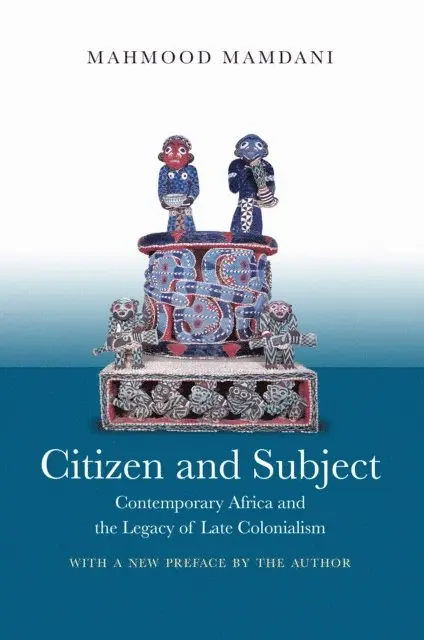
In analyzing the obstacles to democratization in post- independence Africa, Mahmood Mamdani offers a bold, insightful account of colonialism''s legacy--a bifurcated power that mediated racial domination through tribally organized local authorities, reproducing racial identity in citizens and ethnic identity in subjects. Many writers have understood colonial rule as either "direct" (French) or "indirect" (British), with a third variant--apartheid--as exceptional. This benign terminology, Mamdani shows, masks the fact that these were actually variants of a despotism. While direct rule denied rights to subjects on racial grounds, indirect rule incorporated them into a "customary" mode of rule, with state-appointed Native Authorities defining custom. By tapping authoritarian possibilities in culture, and by giving culture an authoritarian bent, indirect rule (decentralized despotism) set the pace for Africa; the French followed suit by changing from direct to indirect administration, while apartheid emerged relatively later. Apartheid, Mamdani shows, was actually the generic form of the colonial state in Africa. Through case studies of rural (Uganda) and urban (South Africa) resistance movements, we learn how these institutional features fragment resistance and how states tend to play off reform in one sector against repression in the other. The result is a groundbreaking reassessment of colonial rule in Africa and its enduring aftereffects. Reforming a power that institutionally enforces tension between town and country, and between ethnicities, is the key challenge for anyone interested in democratic reform in Africa.

386 kr
Läs direkt efter köp

384 kr
Läs direkt efter köp

179 kr
Läs direkt efter köp

257 kr
Skickas inom 11-20 vardagar

749 kr
Skickas inom 7-10 vardagar

1 986 kr
Skickas inom 7-10 vardagar
723 kr
Skickas inom 7-10 vardagar
376 kr
Skickas inom 7-10 vardagar
287 kr
Skickas inom 7-10 vardagar

283 kr
Skickas inom 7-10 vardagar

754 kr
Skickas inom 7-10 vardagar
891 kr
Läs direkt efter köp

215 kr
Tillfälligt slut