515 kr
Skickas inom 7-10 vardagar
515 kr
Skickas inom 7-10 vardagar
1 013 kr
Skickas inom 3-6 vardagar
711 kr
Skickas inom 7-10 vardagar
1 628 kr
Skickas inom 7-10 vardagar
1 548 kr
Skickas inom 7-10 vardagar
493 kr
Läs direkt efter köp
500 kr
Läs direkt efter köp
481 kr
Kommande
605 kr
Kommande
For centuries, the territories that currently form Afghanistan, Syria, and Uzbekistan were home to a diverse range of religious groups, including Jews, Christians, Sikhs, and Hindus. These groups and others played a critical role in the region’s social, cultural, and economic dynamics, particular in the fields of trade, commerce and artisanship. Over the course of the twentieth century, many came to be classified officially by the region’s states as ‘minorities’. The rising importance of nationalism and political Islam, alongside the Bolshevik revolution and global geopolitical events, led some of these communities to occupy an ever more perilous place in the region. By the end of the twentieth century, wars, political tensions, and ethnic conflicts led many thousands to leave Muslim Asia and establish diaspora communities in Europe, North America, and elsewhere.
Afterlives of Urban Cosmopolitanism charts the history of these communities in Muslim Asia and explores their key migratory trajectories. Rather than emphasising the declining significance of non-Muslims to the region, however, this unique book illuminates how even in the context of diaspora many communities have continued to maintain relations with their countries of origin and with Muslims from the region living in the diaspora. The book is informed by in-depth fieldwork conducted in Muslim Asia and amongst the region’s diasporas in locales as diverse as Bukhara, Samarkand, Tashkent, Aleppo, Kabul, and London, New York, and Vienna.
371 kr
Kommande
For centuries, the territories that currently form Afghanistan, Syria, and Uzbekistan were home to a diverse range of religious groups, including Jews, Christians, Sikhs, and Hindus. These groups and others played a critical role in the region’s social, cultural, and economic dynamics, particular in the fields of trade, commerce and artisanship. Over the course of the twentieth century, many came to be classified officially by the region’s states as ‘minorities’. The rising importance of nationalism and political Islam, alongside the Bolshevik revolution and global geopolitical events, led some of these communities to occupy an ever more perilous place in the region. By the end of the twentieth century, wars, political tensions, and ethnic conflicts led many thousands to leave Muslim Asia and establish diaspora communities in Europe, North America, and elsewhere.
Afterlives of Urban Cosmopolitanism charts the history of these communities in Muslim Asia and explores their key migratory trajectories. Rather than emphasising the declining significance of non-Muslims to the region, however, this unique book illuminates how even in the context of diaspora many communities have continued to maintain relations with their countries of origin and with Muslims from the region living in the diaspora. The book is informed by in-depth fieldwork conducted in Muslim Asia and amongst the region’s diasporas in locales as diverse as Bukhara, Samarkand, Tashkent, Aleppo, Kabul, and London, New York, and Vienna.
402 kr
Skickas inom 7-10 vardagar
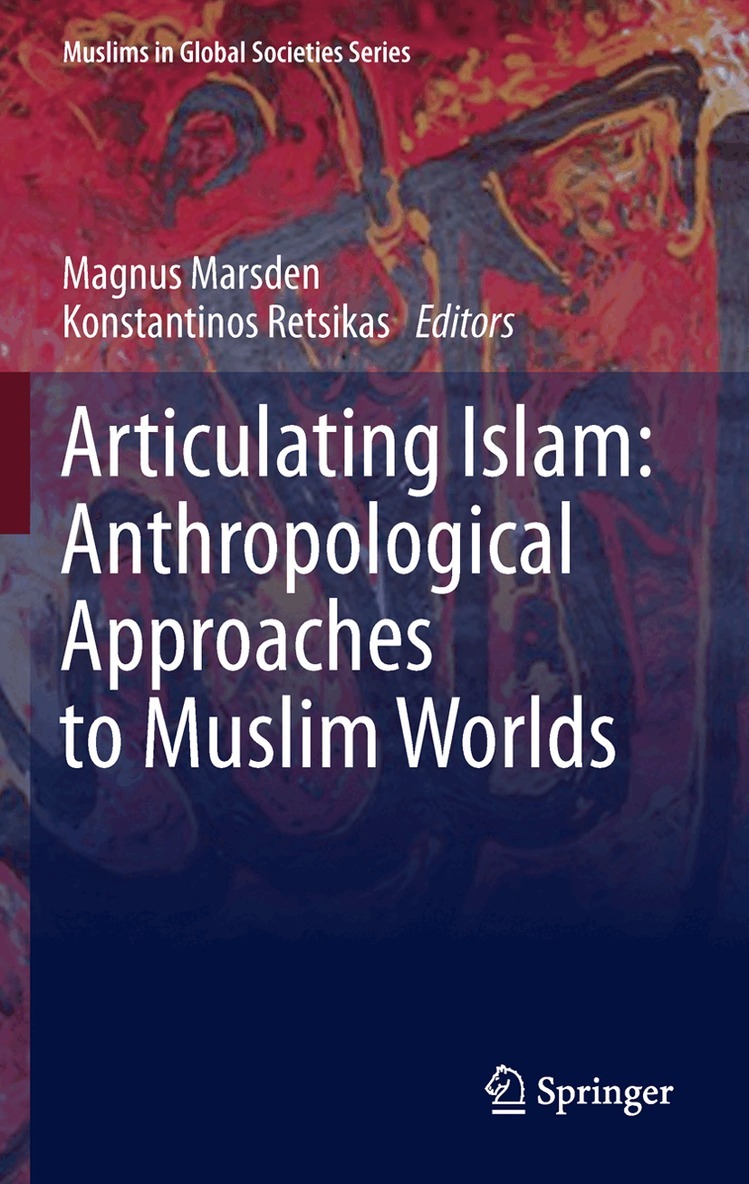
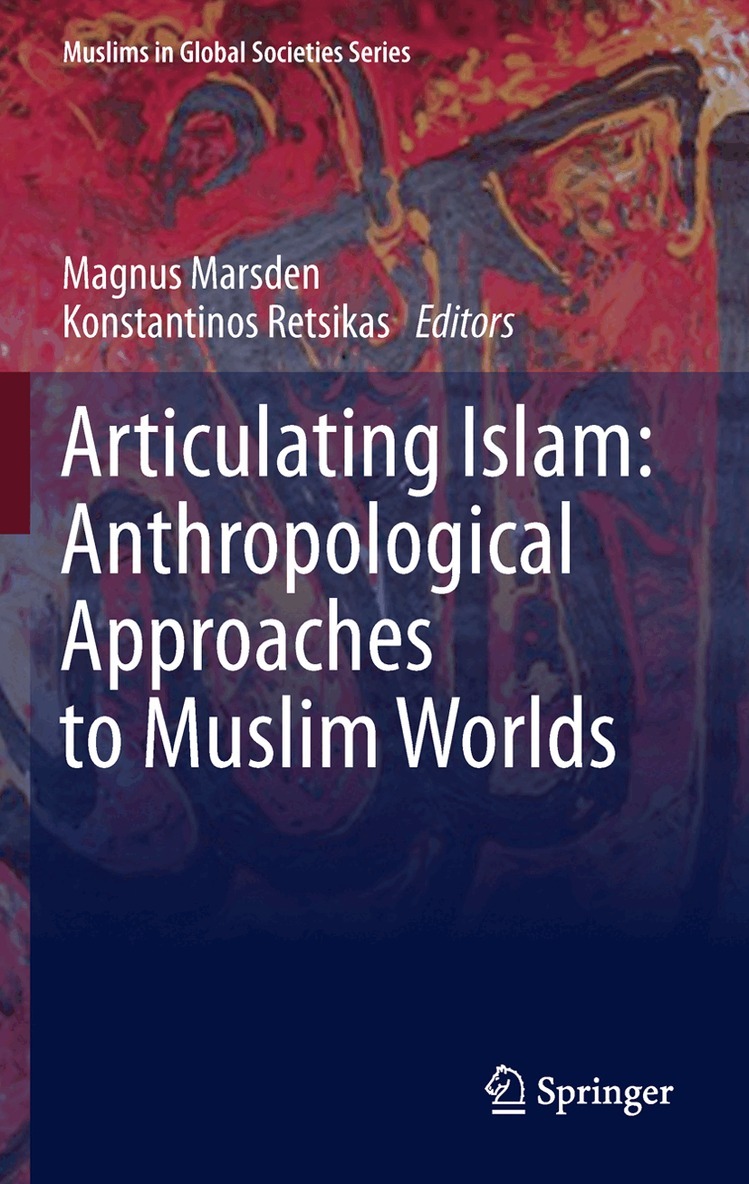
Anthropological Approaches to Muslim Worlds
1 090 kr
Skickas inom 10-15 vardagar
1 459 kr
Läs direkt efter köp
1 090 kr
Skickas inom 10-15 vardagar