716 kr
Skickas inom 10-15 vardagar
716 kr
Skickas inom 10-15 vardagar
2 602 kr
Skickas inom 10-15 vardagar
832 kr
Läs direkt efter köp
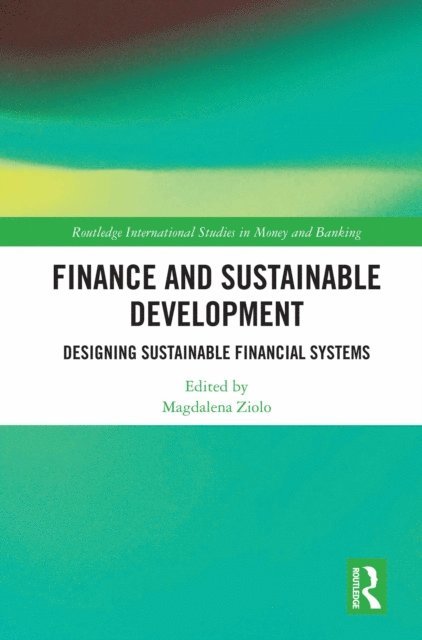
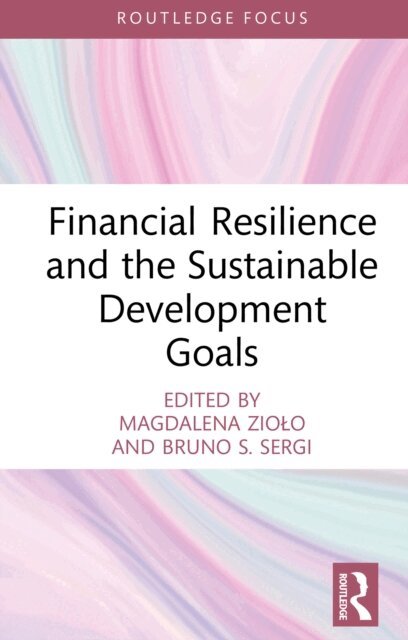
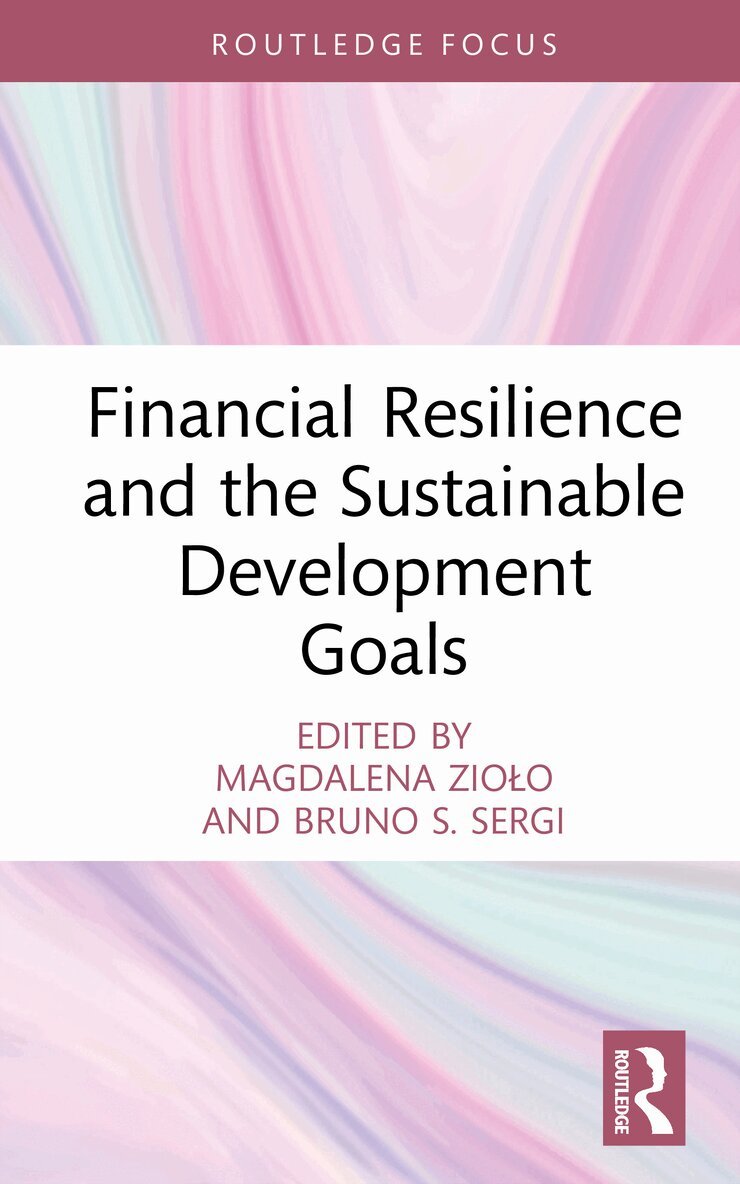
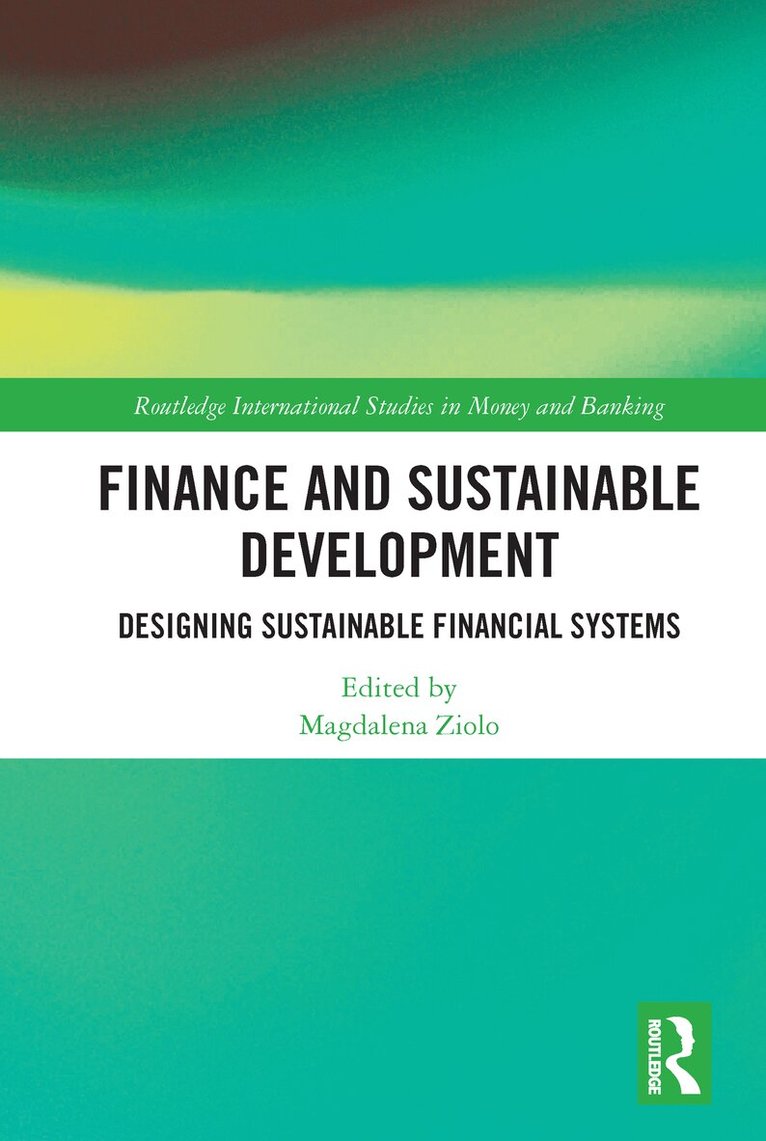
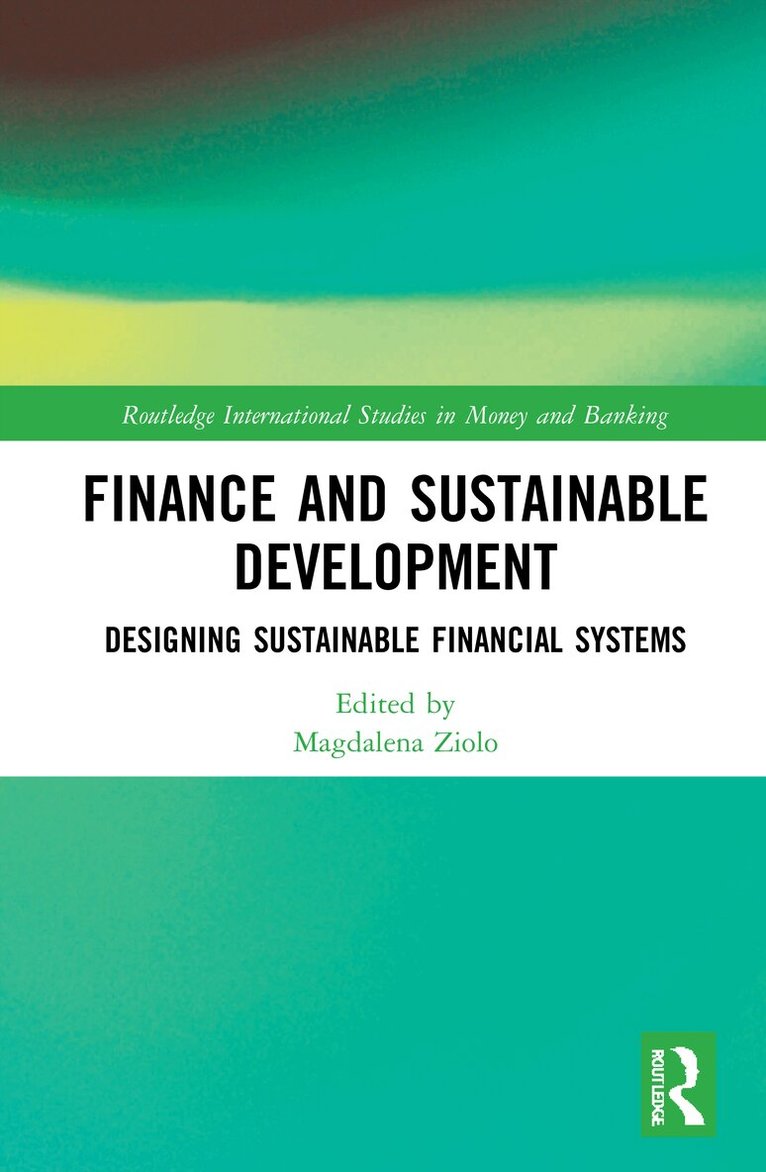
There are many studies confirming the relationship between financial systems and economic development, but there are few which examine the degree to which financial systems a) impact the quality of information, b) influence sound corporate governance, c) ensure effective mechanisms of risk management, d) mobilize savings and f) facilitate trade. In the context of sustainability, there should also be a line of inquiry into how a particular financial system influences the assurance and implementation of sustainable development principles and goals.
This book delivers a methodological approach to designing and assessing sustainable financial systems. It provides an original contribution by prioritizing ESG factors in the decision-making process of financial institutions and identifying their impact on sustainable financial systems. The author argues that to achieve financial stability, it is necessary to have in place mechanisms designed to prevent financial problems from becoming systemic and/or threatening the stability of the financial and economic system, while maintaining (or not undermining) the economy’s ability to sustain growth and perform its other functions.
The book primarily takes a simulation and experimental approach. It is the first book to take such a comprehensive look at sustainable financial systems as opposed to sustainable finance in general. It will appeal to academics, students and researchers in the fields of economics, finance and banking, business, management and political and social sciences.
832 kr
Läs direkt efter köp
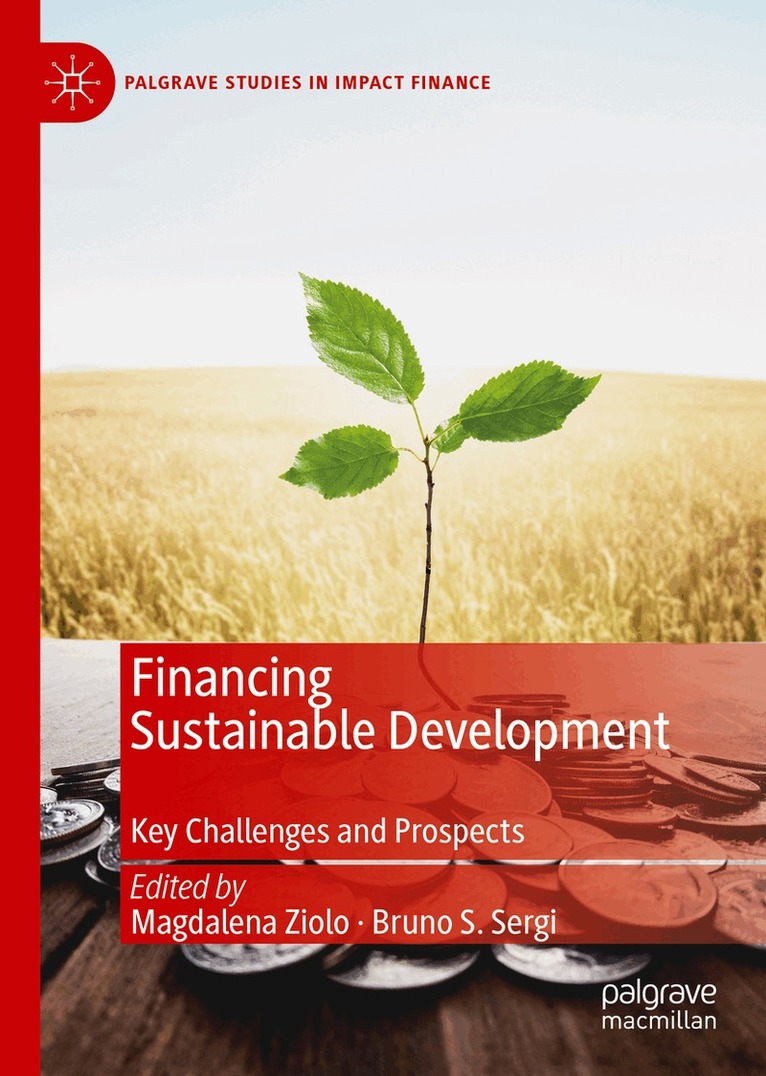
There are many studies confirming the relationship between financial systems and economic development, but there are few which examine the degree to which financial systems a) impact the quality of information, b) influence sound corporate governance, c) ensure effective mechanisms of risk management, d) mobilize savings and f) facilitate trade. In the context of sustainability, there should also be a line of inquiry into how a particular financial system influences the assurance and implementation of sustainable development principles and goals.
This book delivers a methodological approach to designing and assessing sustainable financial systems. It provides an original contribution by prioritizing ESG factors in the decision-making process of financial institutions and identifying their impact on sustainable financial systems. The author argues that to achieve financial stability, it is necessary to have in place mechanisms designed to prevent financial problems from becoming systemic and/or threatening the stability of the financial and economic system, while maintaining (or not undermining) the economy’s ability to sustain growth and perform its other functions.
The book primarily takes a simulation and experimental approach. It is the first book to take such a comprehensive look at sustainable financial systems as opposed to sustainable finance in general. It will appeal to academics, students and researchers in the fields of economics, finance and banking, business, management and political and social sciences.
744 kr
Läs direkt efter köp
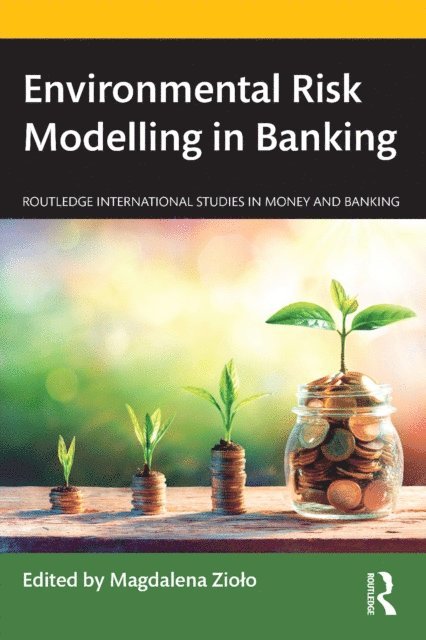
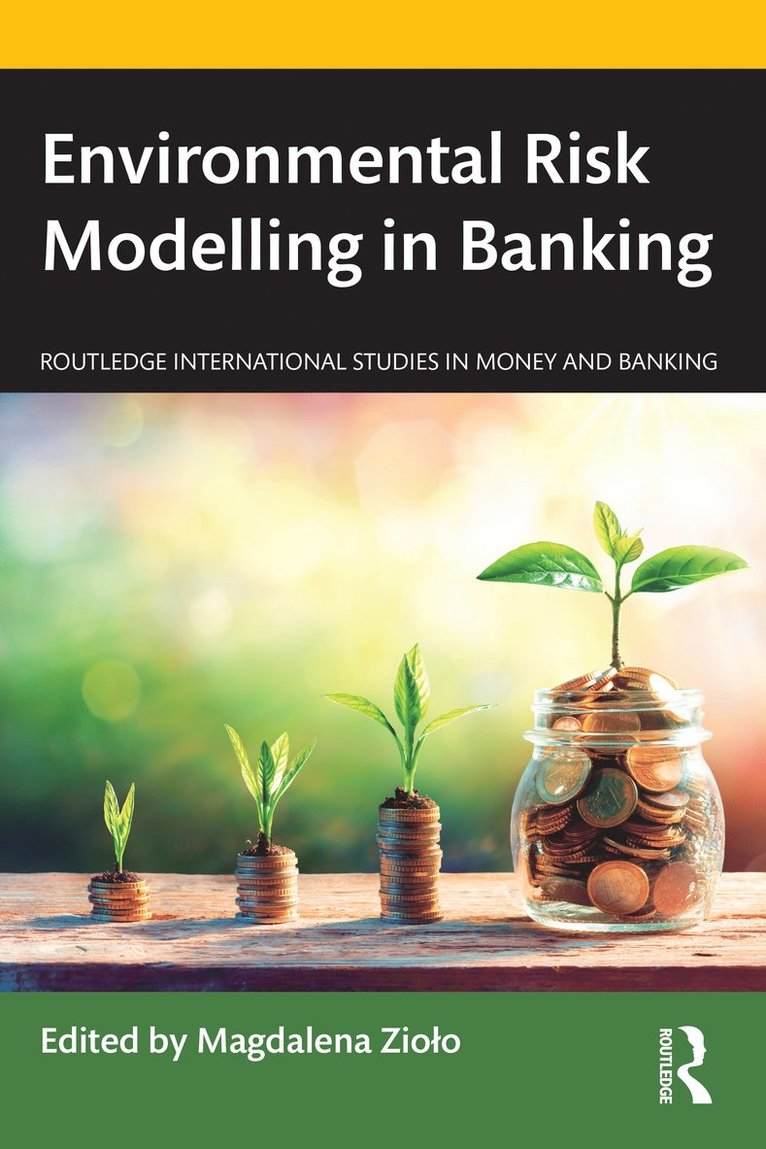
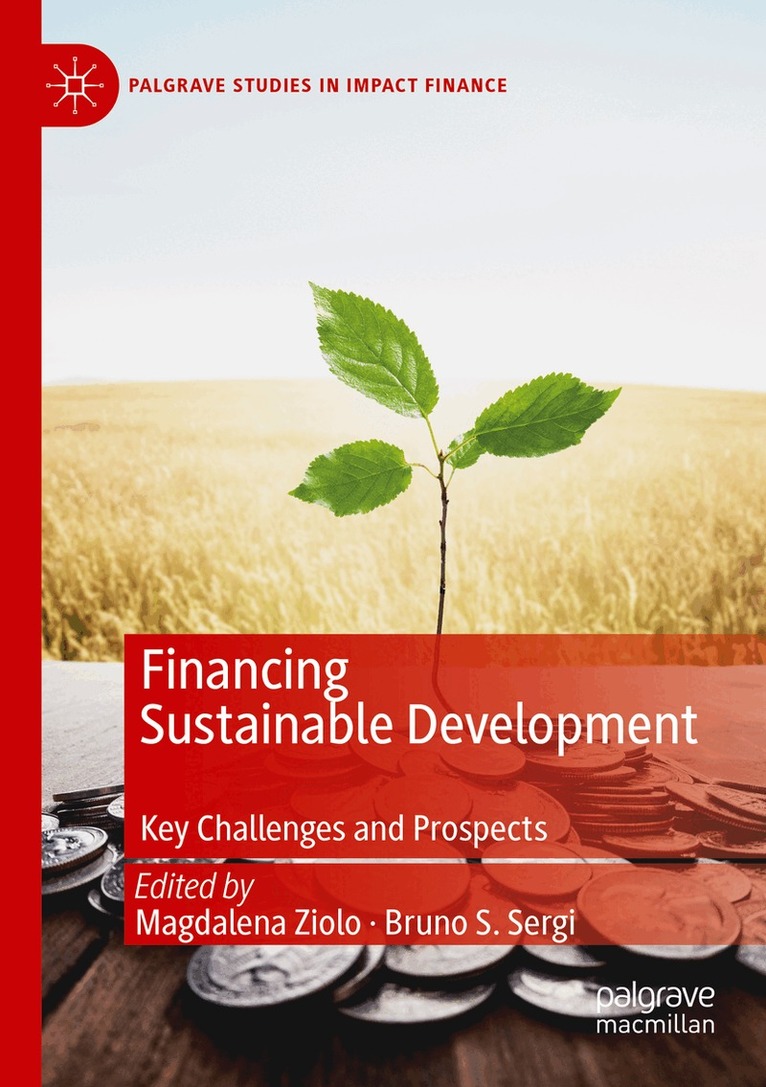
Environmental risk directly affects the financial stability of banks since they bear the financial consequences of the loss of liquidity of the entities to which they lend and of the financial penalties imposed resulting from the failure to comply with regulations and for actions taken that are harmful to the natural environment.
This book explores the impact of environmental risk on the banking sector and analyzes strategies to mitigate this risk with a special emphasis on the role of modelling. It argues that environmental risk modelling allows banks to estimate the patterns and consequences of environmental risk on their operations, and to take measures within the context of asset and liability management to minimize the likelihood of losses. An important role here is played by the environmental risk modelling methodology as well as the software and mathematical and econometric models used. It examines banks’ responses to macroprudential risk, particularly from the point of view of their adaptation strategies; the mechanisms of its spread; risk management and modelling; and sustainable business models. It introduces the basic concepts, definitions, and regulations concerning this type of risk, within the context of its influence on the banking industry.
The book is primarily based on a quantitative and qualitative approach and proposes the delivery of a new methodology of environmental risk management and modelling in the banking sector. As such, it will appeal to researchers, scholars, and students of environmental economics, finance and banking, sociology, law, and political sciences.
749 kr
Läs direkt efter köp
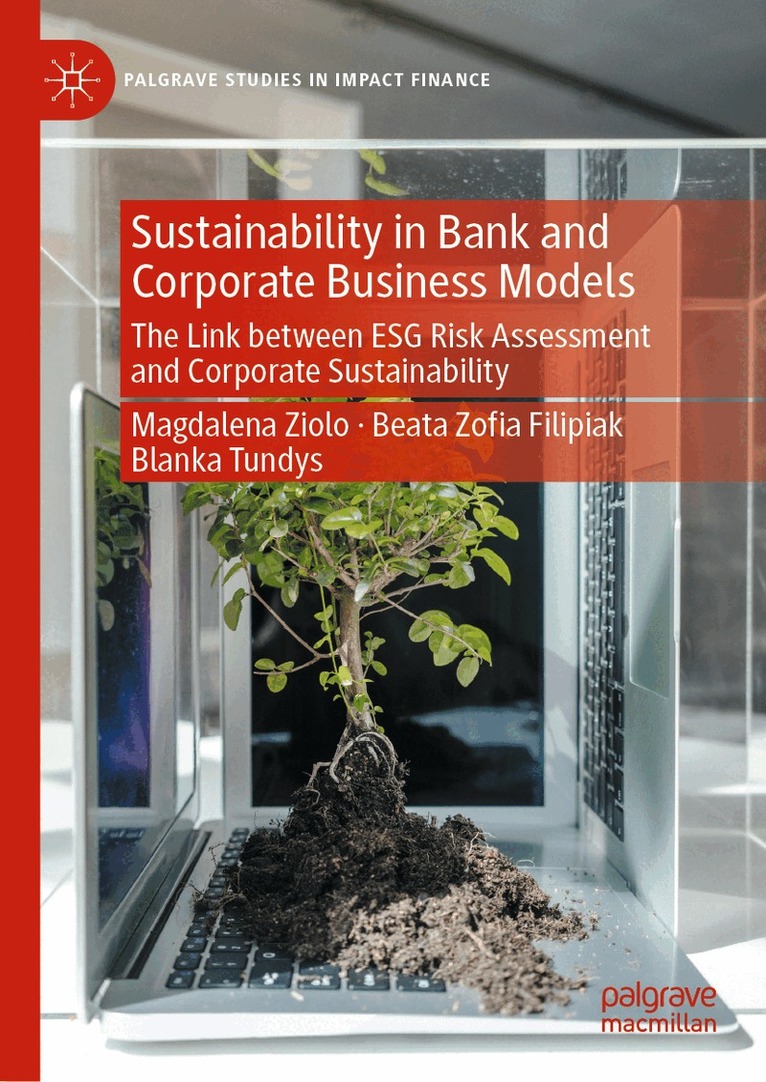
Environmental risk directly affects the financial stability of banks since they bear the financial consequences of the loss of liquidity of the entities to which they lend and of the financial penalties imposed resulting from the failure to comply with regulations and for actions taken that are harmful to the natural environment.
This book explores the impact of environmental risk on the banking sector and analyzes strategies to mitigate this risk with a special emphasis on the role of modelling. It argues that environmental risk modelling allows banks to estimate the patterns and consequences of environmental risk on their operations, and to take measures within the context of asset and liability management to minimize the likelihood of losses. An important role here is played by the environmental risk modelling methodology as well as the software and mathematical and econometric models used. It examines banks’ responses to macroprudential risk, particularly from the point of view of their adaptation strategies; the mechanisms of its spread; risk management and modelling; and sustainable business models. It introduces the basic concepts, definitions, and regulations concerning this type of risk, within the context of its influence on the banking industry.
The book is primarily based on a quantitative and qualitative approach and proposes the delivery of a new methodology of environmental risk management and modelling in the banking sector. As such, it will appeal to researchers, scholars, and students of environmental economics, finance and banking, sociology, law, and political sciences.
2 210 kr
Skickas inom 10-15 vardagar
638 kr
Skickas inom 10-15 vardagar
2 602 kr
Skickas inom 10-15 vardagar
728 kr
Skickas inom 10-15 vardagar
1 517 kr
Skickas inom 7-10 vardagar
462 kr
Läs direkt efter köp
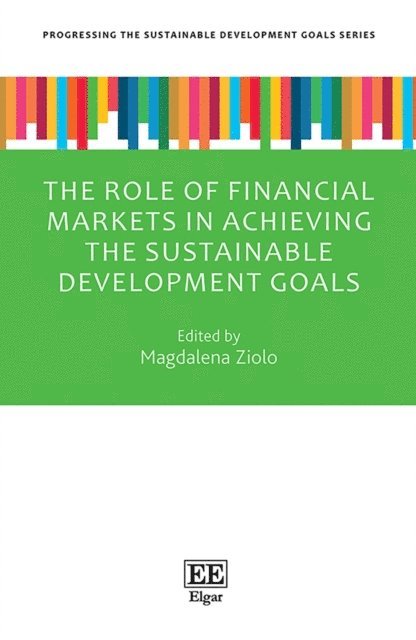
Presenting the key challenges of implementation and the actions taken by financial markets to support the SDGs, the book looks at the SDGs, sustainable development, and environmental, social and governance ESG risk as interconnected factors. Chapters highlight how financial markets can help green the economy through employing good practices for sustainability, including transparency, sustainable reporting and avoiding greenwashing. Attention is paid especially to the direct and indirect impacts of banks on the SDGS, covering banks’ operational, investment and financial activities.
With a forward-looking approach, this book is ideal for students and scholars focusing on sustainable finance, ESG and the implementation of the SDGs more broadly.
767 kr
Läs direkt efter köp
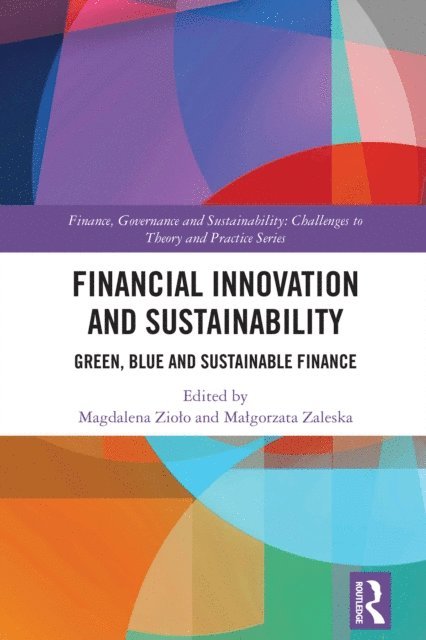
In recent years, factors such as sustainability, digitalization, climate change, energy transformation, social inclusion, gender parity, and Environmental, Social and Governance (ESG) risk have been playing an increasingly important role in the process of financial transformation. The effect of the impact is increased regulation and guidance for financial markets, in relation to adapting current activities to meet the new challenges, for example:
The process of greening finance and spreading the blue wave in finance Building sustainable value in the business models of financial institutions Creating an offer of sustainable financial products Ensuring parity between women and men in the decision-making bodies of financial institutions Sustainable ratings Climate stress testsThis book focuses on the intersection between nature and finance and offers a comprehensive overview of the trends, transformations and challenges in finance and the financial markets related to the effects of sustainability concepts or ESG factors. The book has been designed to show these trends, through the evolving subdisciplines of finance, such as green and blue finance. It presents critical recommendations for the ecosystem and network of finance in the era of ESG and sustainability and paints a comprehensive picture of contemporary finance, identifying the factors determining its sustainable transformation.
This is one of the first books to present the issues of sustainability and ESG risk in finance through the prism of individual types of finance. Not only will the book appeal to scholars and researchers in the field of banking, economics, finance and accounting, but it will also find an audience among policymakers and practitioners involved in the finance and sustainability discourse.
1 030 kr
Läs direkt efter köp
1 052 kr
Läs direkt efter köp
1 028 kr
Skickas inom 10-15 vardagar
457 kr
Läs direkt efter köp
2 902 kr
Skickas inom 7-10 vardagar
2 551 kr
Läs direkt efter köp
2 551 kr
Läs direkt efter köp
3 615 kr
Skickas inom 7-10 vardagar
2 767 kr
Skickas inom 7-10 vardagar
3 059 kr
Läs direkt efter köp
2 902 kr
Skickas inom 7-10 vardagar
2 215 kr
Skickas inom 7-10 vardagar
1 637 kr
Skickas inom 10-15 vardagar
2 097 kr
Läs direkt efter köp
1 637 kr
Skickas inom 10-15 vardagar
1 797 kr
Skickas inom 10-15 vardagar