This timely book presents an essential guide to research integrity, grounded in the realities of contemporary research practice. Expert contributors explore the core practices and conceptual foundations of research integrity, including institutional, educational and regulatory structures that support responsible conduct.Adopting a holistic view of the research ecosystem, the book addresses how integrity is cultivated in everyday academic life through mentoring, peer review, supportive environments, fairness in collaboration and transparent authorship practices. Contributors survey the most pressing modern challenges, including responsible use of generative AI and the relationship between integrity and academic freedom. In doing so, they move beyond assessing misconduct to demonstrate how genuine integrity is cultivated. Implementing a practice-oriented approach, the book illustrates how research integrity is not merely the responsibility of individuals or specialists, but a shared duty among academics, professional organisations and institutions.How to Cultivate Research Integrity is an important read for scholars and students engaging with all forms of research. It is also a beneficial resource for educators, managers and support staff seeking practical insights to improving research integrity.
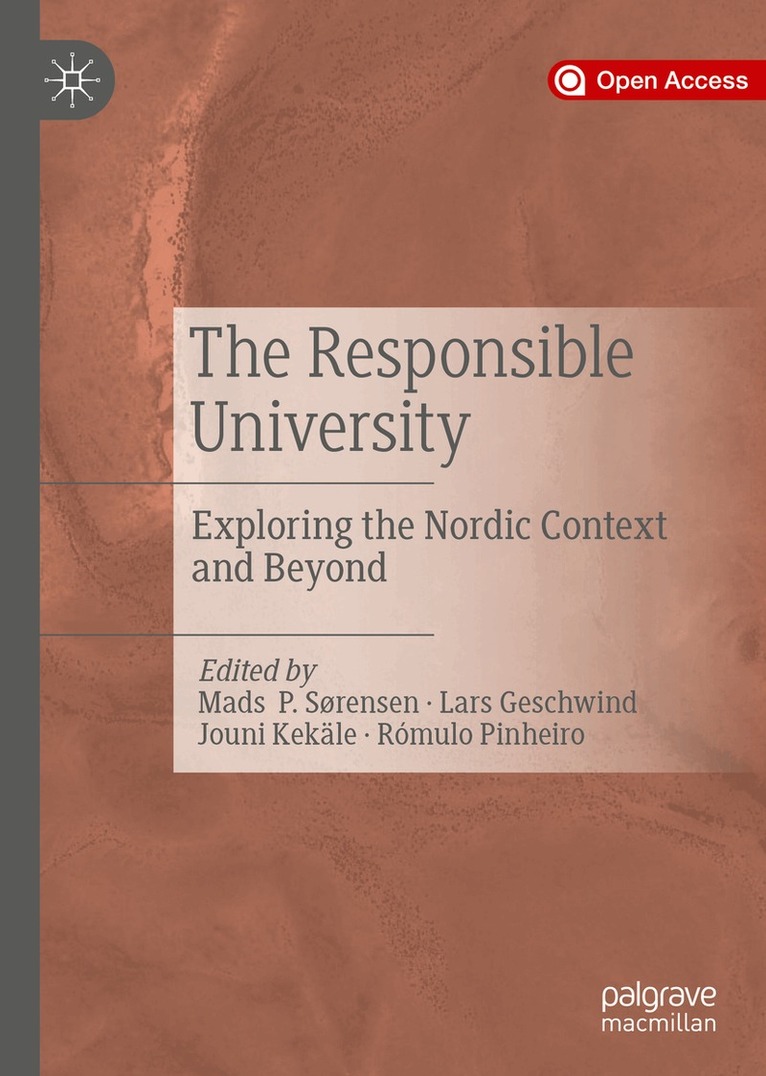
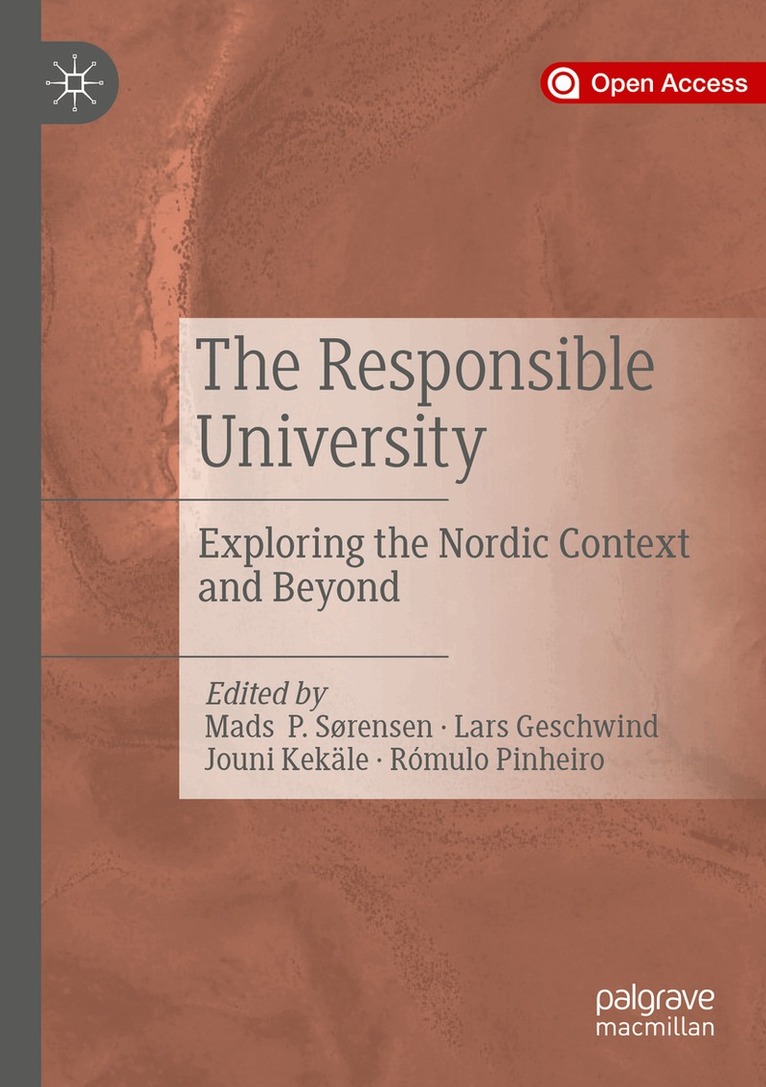
This book explores how the notion of the responsible university manifests itself at various levels within Nordic higher education. As the impetus of the knowledge society has catapulted the higher education sector to the forefront of policy agendas, universities and other types of higher education institutions face increasing scrutiny, assessment and accountability. This book examines this phenomenon using the Nordic countries as cases in point, given the strong public commitment towards widening participation and public research investments. The editors and contributors analyse the history and current transformations of the idea of the responsible university, investigate new innovations in the educational landscape and look into how universities have begun to organise themselves to become more responsible. Drawing together scholars from the humanities and the social sciences, this interdisciplinary collection will be of interest and value to students and scholars of the role and nature of the modern university, in addition to practitioners and policy makers tasked with finding solutions to address the competing and often contradictory demands posed by a responsibility agenda.
This book explores how the notion of the responsible university manifests itself at various levels within Nordic higher education. As the impetus of the knowledge society has catapulted the higher education sector to the forefront of policy agendas, universities and other types of higher education institutions face increasing scrutiny, assessment and accountability. This book examines this phenomenon using the Nordic countries as cases in point, given the strong public commitment towards widening participation and public research investments. The editors and contributors analyse the history and current transformations of the idea of the responsible university, investigate new innovations in the educational landscape and look into how universities have begun to organise themselves to become more responsible. Drawing together scholars from the humanities and the social sciences, this interdisciplinary collection will be of interest and value to students and scholars of the role and nature of the modern university, in addition to practitioners and policy makers tasked with finding solutions to address the competing and often contradictory demands posed by a responsibility agenda.