642 kr
Skickas inom 10-15 vardagar
642 kr
Skickas inom 10-15 vardagar
2 331 kr
Skickas inom 10-15 vardagar
733 kr
Läs direkt efter köp
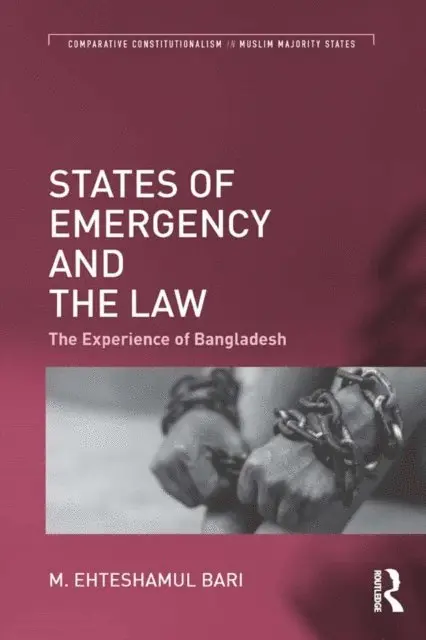
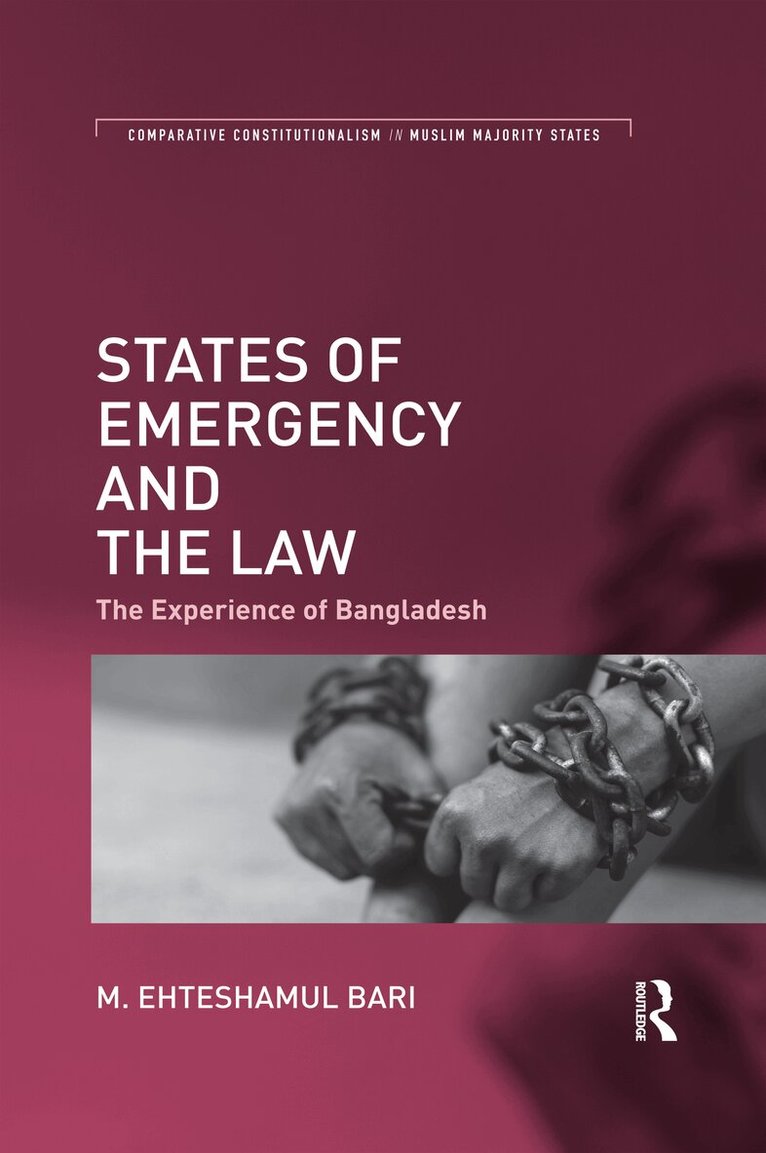
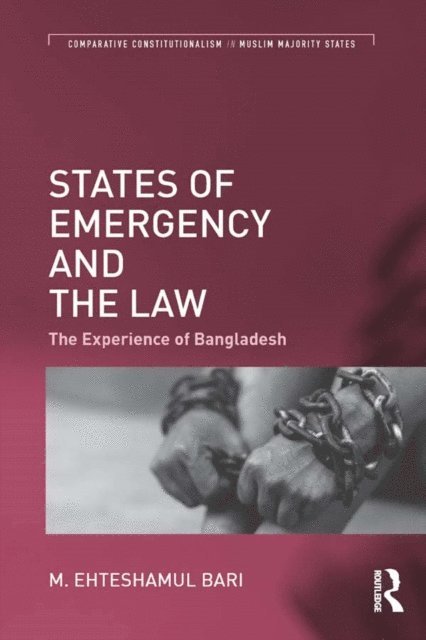
In Bangladesh, the absence of effective constitutional safeguards for governing emergency regimes has resulted in each of the five emergencies being invoked on the imprecise ground of internal disturbance. Two of these emergencies were even continued after the alleged threat posed to the life of the nation was over. Furthermore, during these five periods of emergency, either all or most of the fundamental rights guaranteed by the Constitution were suspended and the power of preventive detention was abused. Since no systematic and structured research has so far been carried out evaluating the Bangladeshi Constitution’s provisions concerning the proclamation of emergency,suspension of fundamental rights and preventive detention, and the invocation of these extraordinary measures, this book will enhance knowledge by identifying the flaws, deficiencies and lacunae of the constitutional provisions concerning these exceptional measures. Consequently, based on these findings, recommendations will be put forward to rectify these defects from comparative constitutional law and normative perspectives. The outcome of this book will not only establish the best means for ensuring the maintenance of the rule of law but also for preventing undue intrusion on the fundamental human rights of individuals during emergency situations in Bangladesh.
This book will be of great interest and use to scholars and students of comparative constitutional law, human rights law and Asian law. Given the law reform analysis undertaken in this work, it will also be beneficial for the policy makers in Bangladesh and for the policy makers of constitutional polities facing similar problems with the issue of constraining the exercise of emergency powers.
749 kr
Läs direkt efter köp
In Bangladesh, the absence of effective constitutional safeguards for governing emergency regimes has resulted in each of the five emergencies being invoked on the imprecise ground of internal disturbance. Two of these emergencies were even continued after the alleged threat posed to the life of the nation was over. Furthermore, during these five periods of emergency, either all or most of the fundamental rights guaranteed by the Constitution were suspended and the power of preventive detention was abused. Since no systematic and structured research has so far been carried out evaluating the Bangladeshi Constitution’s provisions concerning the proclamation of emergency,suspension of fundamental rights and preventive detention, and the invocation of these extraordinary measures, this book will enhance knowledge by identifying the flaws, deficiencies and lacunae of the constitutional provisions concerning these exceptional measures. Consequently, based on these findings, recommendations will be put forward to rectify these defects from comparative constitutional law and normative perspectives. The outcome of this book will not only establish the best means for ensuring the maintenance of the rule of law but also for preventing undue intrusion on the fundamental human rights of individuals during emergency situations in Bangladesh.
This book will be of great interest and use to scholars and students of comparative constitutional law, human rights law and Asian law. Given the law reform analysis undertaken in this work, it will also be beneficial for the policy makers in Bangladesh and for the policy makers of constitutional polities facing similar problems with the issue of constraining the exercise of emergency powers.
1 613 kr
Skickas inom 10-15 vardagar
2 274 kr
Läs direkt efter köp
This book examines the extraordinary nature of the power of preventive detention, which permits executive dispensation of the personal liberty of an individual on the mere apprehension that, if free and unfettered, he may commit acts prejudicial to national security or public order. In light of the extraordinary scope of this power, it, therefore, contends that the scope of the power should be confined to genuine emergencies threatening the life of the nation.
Against the above background, this book sheds light on the fact that Article 149 of the Federal Constitution of Malaysia empowers the Parliament to enact preventive detention laws authorizing the executive branch of government to preventively detain individuals without the precondition of an emergency. Furthermore, the Constitution does not stipulate adequate safeguards for mitigating the harshness of preventive detention laws.This book makes it manifestly evident thatthe weaknesses of the constitutional provisions concerning preventive detention have enabled succeeding generations of executives in Malaysia to not only enact a series of preventive detention statues for arrogating to themselves wide powers concerning preventive detention but also to rely on them for arbitrarily detaining their political adversaries.
Consequently, on the basis of this analysis, this book puts forward concrete recommendations for insertion in the Constitution detailed norms providing for legal limits on the wide power of the executive concerning preventive detention. The insertion of such norms would ensure the maintenance of a delicate balance between protecting national interests and, simultaneously, observing respect for an individual’s right to protection from arbitrary deprivation of liberty.This book is useful for academics and students of comparative constitutional law, human rights and Asian law. The extensivelaw reform analysis undertaken in this book also greatly benefits the policy makers in Malaysia and the policy makers of constitutional polities facing similar problems with the issue of circumscribing the scope of the powers concerning preventive detention.1 613 kr
Skickas inom 10-15 vardagar
1 412 kr
Skickas inom 10-15 vardagar
1 779 kr
Läs direkt efter köp
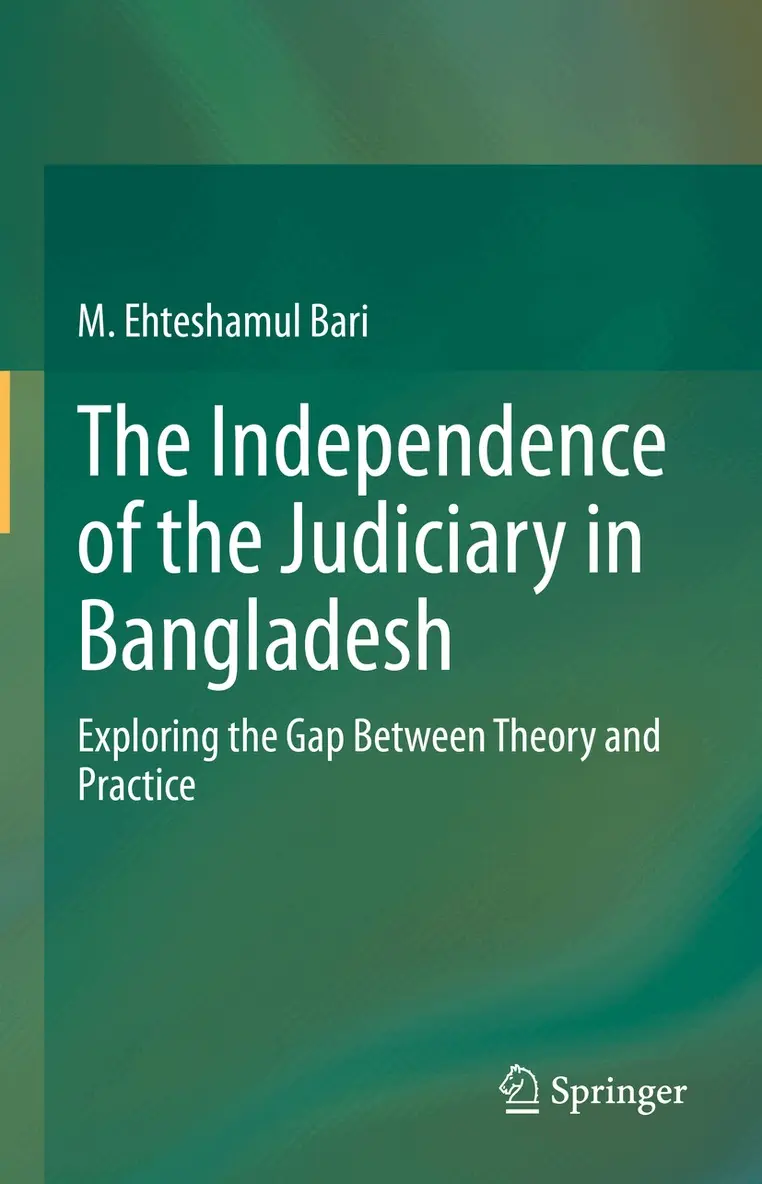
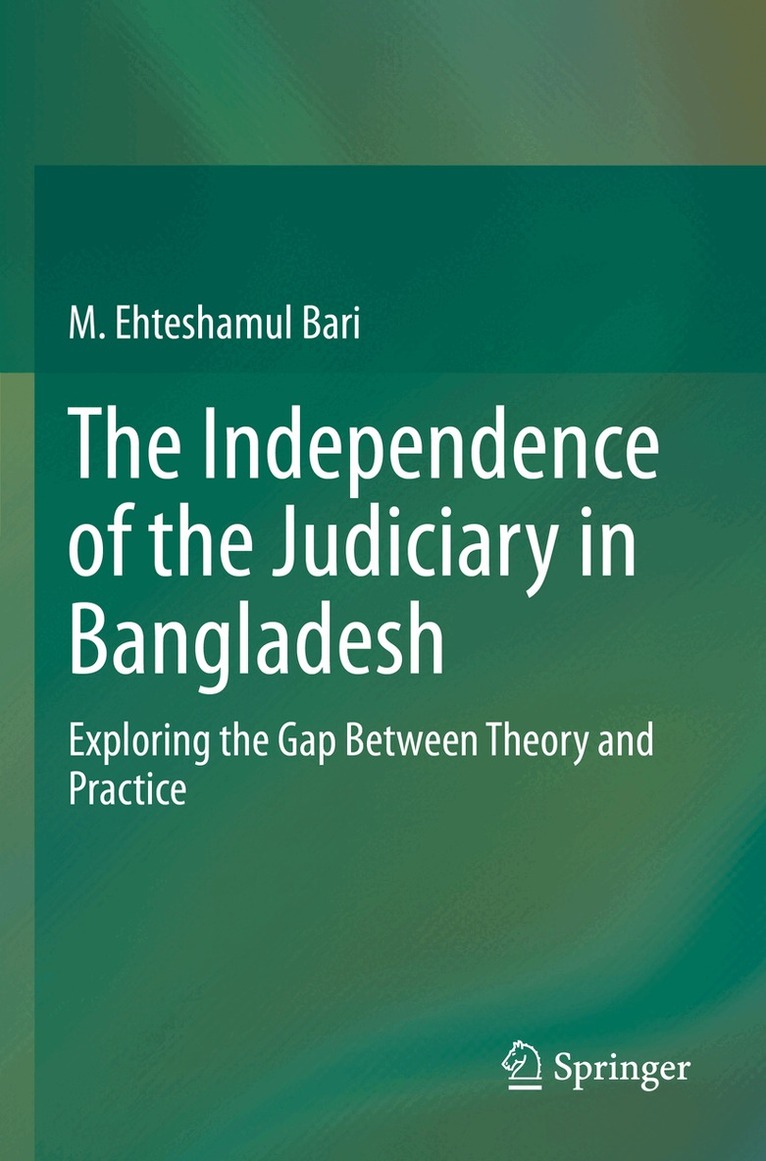
This book highlights that an independent judiciary is indispensable for the very existence of any society based on democratic values, such as the observance of the rule of law and respect for the human rights of individuals. In order to ensure that the judiciary’s interpretation of the law is not bound by the will of the executive and that it is able to call the executive to account by protecting the life as well as liberty of the governed, it is imperative to guarantee, among other things, a transparent method of appointment and the security of tenure of the judges. Taking into account the importance of an independent judiciary in a democratic society, the framers of the Constitution of Bangladesh, 1972, following in the footsteps of the framers of the Constitutions of India and Pakistan, incorporated in the Constitution the ideal of safeguarding the independence of the judiciary as one of its basic features. This book, however, makes it manifestly evident that the key elements for realising such an ideal have not adequately been guaranteed by the Constitution. Consequently, this book sheds light on how succeeding generations of executives have sought to undermine the independence of the judiciary.
Accordingly, this book puts forward recommendations for the insertion of detailed norms in the Constitution of Bangladesh for establishing the best means for excluding patronage appointments to the bench and for guaranteeing the security of tenure of the judges. This book asserts that the incorporation of such norms, safeguards the independence of the superior judiciary to decide cases without fear or favour. This book, therefore, seeks to address the gap that exists between the theory and practice concerning the independence of the judiciary in Bangladesh.
Since no book is currently available in the market that critically examines these issues in a systematic and structured manner, this research enhances knowledge by not only identifying the flaws,deficiencies and lacunae of the constitutional provisions concerning the method of appointment of the judges of the Supreme Court of Bangladesh but also the measures undertaken by the current Bangladeshi regime to dispense with the transparent method of removal of the judges involving a body of judicial character.1 412 kr
Skickas inom 10-15 vardagar
1 693 kr
Skickas inom 10-15 vardagar
1 936 kr
Läs direkt efter köp
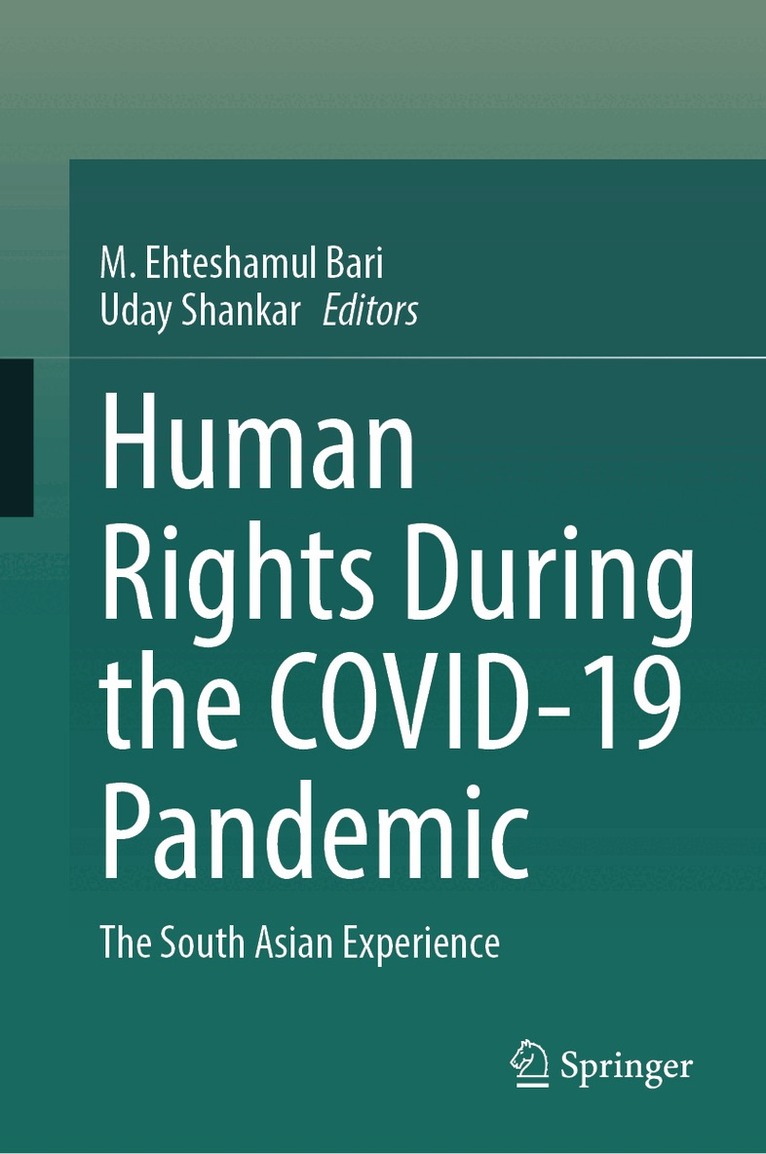
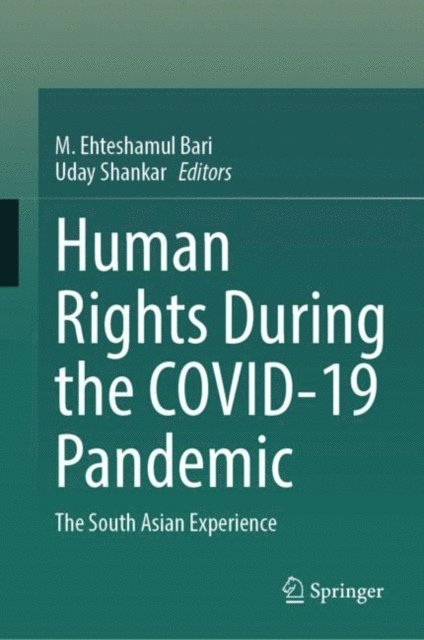
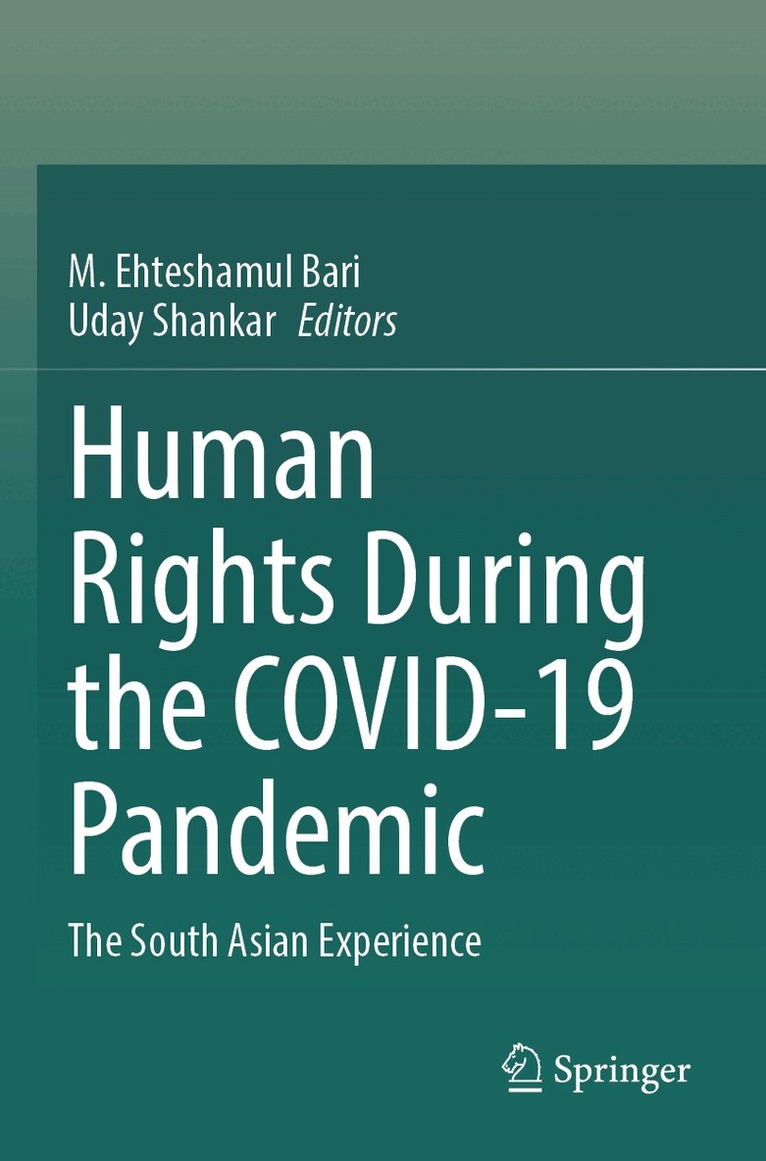
This book sheds light on the fact that the proclamation of an emergency can be a legitimate constitutional method to take prompt preventative measures in protecting the interests of the society in times of grave crises. However, the exercise of emergency powers should not undermine a nation’s commitment to democratic values, such as maintaining the rule of law and upholding fundamental human rights. The COVID-19 pandemic has posed grave threats to the lives and health of individuals. However, since the constitutions of South Asian nations do not permit the proclamation of an emergency on health grounds, executives of these nations were constrained to rely, among other things, on ordinary legislation to tide over the threats posed by the pandemic. Although these statutes entrust the executive with extensive emergency powers, they do not simultaneously stipulate any safeguards subjecting the exercise of such powers to a reliable system of checks and balances.
Accordingly, this book critically examines the exercise of emergency powers in the South Asian nations to tide over threats posed by the COVID-19 pandemic, which had a profoundly adverse impact on the human rights of individuals. Such exercise of powers was consistent with the general tendency demonstrated by succeeding generations of the executives in these nations to use emergency situations as the convenient means for imposing long-lasting limitations on the rights of individuals. Consequently, this book identifies the flaws, deficiencies, and lacunae of the legal framework in these nations, which permit the executive to assume unfettered power in the exercise of emergency measures at the expense of the liberty of individuals. Consequently, based on these findings, recommendations will be put forward for initiating reforms in these nations aimed at ensuring the maintenance of a delicate balance between the necessity to respond tograve threats and to simultaneously prevent undue intrusion on the fundamental human rights of individuals.
1 693 kr
Skickas inom 10-15 vardagar