569 kr
Skickas inom 10-15 vardagar
569 kr
Skickas inom 10-15 vardagar
2 853 kr
Skickas inom 3-6 vardagar
409 kr
Skickas inom 7-10 vardagar
281 kr
Skickas inom 7-10 vardagar
212 kr
Skickas inom 7-10 vardagar
217 kr
Läs direkt efter köp
1 036 kr
Skickas inom 7-10 vardagar
621 kr
Läs direkt efter köp
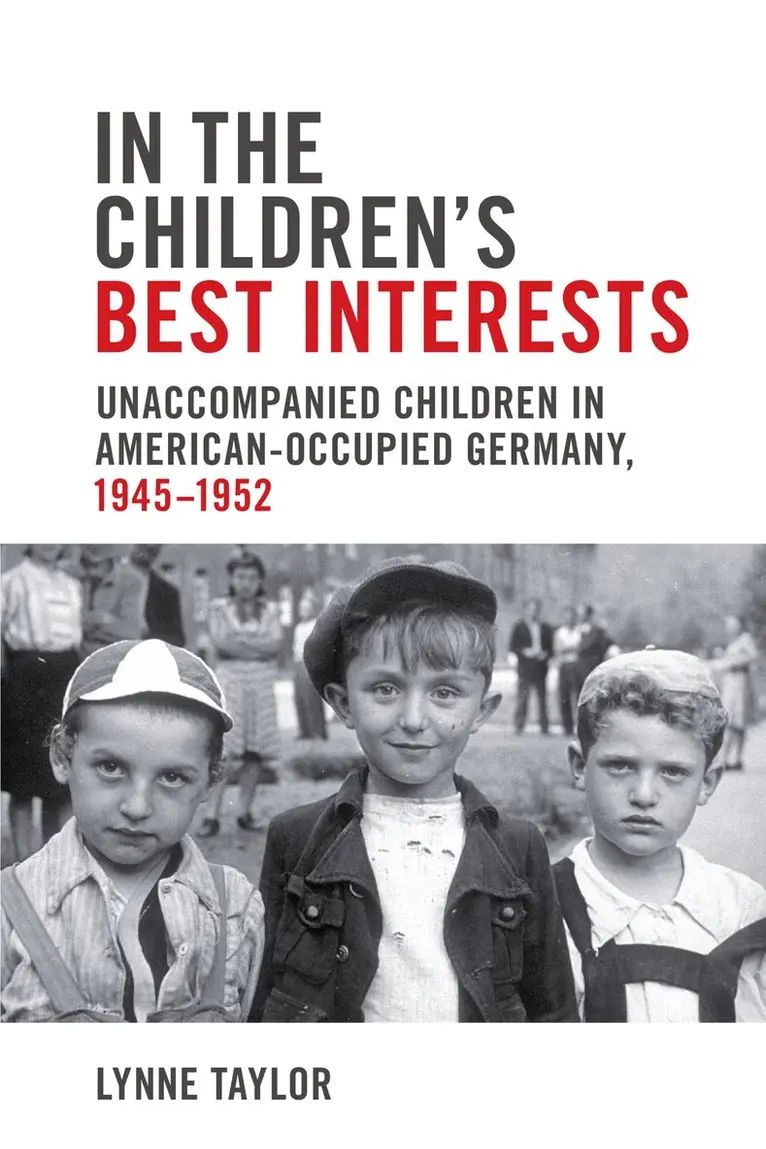
Among the hundreds of thousands of displaced persons in Germany at the end of World War II, approximately 40,000 were unaccompanied children. These children, of every age and nationality, were without parents or legal guardians and many were without clear identities. This situation posed serious practical, legal, ethical, and political problems for the agencies responsible for their care.
In the Children’s Best Interests, by Lynne Taylor, is the first work to delve deeply into the records of the United Nations Relief and Rehabilitation Administration (UNRRA) and the International Refugee Organization (IRO) and reveal the heated battles that erupted amongst the various entities (military, governments, and NGOs) responsible for their care and disposition. The bitter debates focused on such issues as whether a child could be adopted, what to do with illegitimate and abandoned children, and who could assume the role of guardian. The inconclusive nationality of these children meant they became pawns in the battle between East and West during the Cold War. Taylor’s exploration and insight into the debates around national identity and the privilege of citizenship challenges our understanding of nationality in the postwar period.621 kr
Läs direkt efter köp
Among the hundreds of thousands of displaced persons in Germany at the end of World War II, approximately 40,000 were unaccompanied children. These children, of every age and nationality, were without parents or legal guardians and many were without clear identities. This situation posed serious practical, legal, ethical, and political problems for the agencies responsible for their care.
In the Children’s Best Interests, by Lynne Taylor, is the first work to delve deeply into the records of the United Nations Relief and Rehabilitation Administration (UNRRA) and the International Refugee Organization (IRO) and reveal the heated battles that erupted amongst the various entities (military, governments, and NGOs) responsible for their care and disposition. The bitter debates focused on such issues as whether a child could be adopted, what to do with illegitimate and abandoned children, and who could assume the role of guardian. The inconclusive nationality of these children meant they became pawns in the battle between East and West during the Cold War. Taylor’s exploration and insight into the debates around national identity and the privilege of citizenship challenges our understanding of nationality in the postwar period.471 kr
Skickas inom 7-10 vardagar
294 kr
Skickas inom 3-6 vardagar
95 kr
Läs direkt efter köp
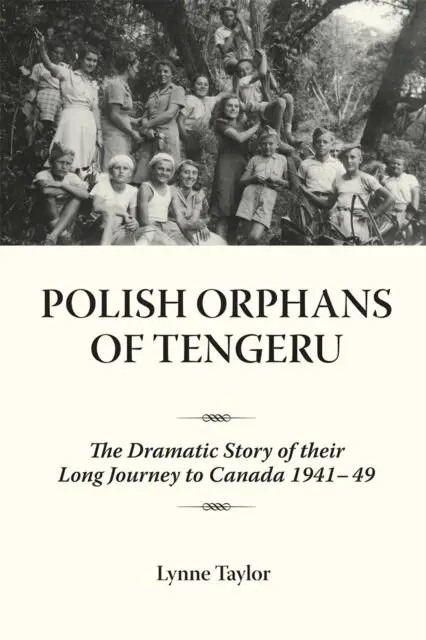
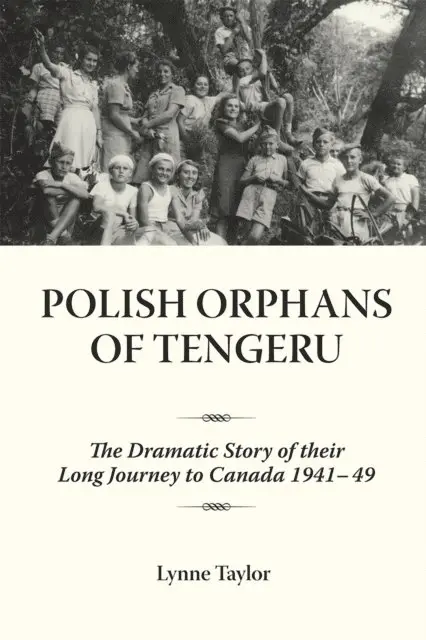
Polish Orphans of Tengeru is the story of 123 Polish Catholic Displaced Person (DP) orphans who were brought to Canada from East Africa in 1949 as part of the settlement of the postwar DP crisis. They arrived in East Africa in a mass exodus of Poles out of the gulags of Siberia in 1942 and 1943.
As they were being moved from Tanganyika in 1949, through Italy and Germany to Canada, the situation became an international incident. Warsaw protested that Canada and the International Refugee Organisation, with the active collaboration of the American and British governments, were kidnapping the children to use as slave labour on Canadian farms and in Canadian factories, tearing them from their families in Poland. The incident even reached the floor of the General Assembly of the United Nations, and dragged the Italian, British, and American governments before all was said and done.
309 kr
Tillfälligt slut