Management invests in large information systems in order to improve the effectiveness of their organization. However, when these systems fail to meet the needs of organizational employees, feral information systems (FIS) are created in order to assist workers with their jobs or to avoid existing organizational information systems. Feral Information Systems Development: Managerial Implications seeks to accelerate the collective understandings and implications on the management of business organizations; with an emphasis on theoretical explanations on the development of feral information systems. This book is an essential reference work aimed at providing a more clearly defined and better informed starting point for researchers, consultants, and practitioners who are eager to advance both their practical applications and theoretical understandings of complex and challenging phenomena surrounding FISs.
Management invests in large information systems in order to improve the effectiveness of their organization. However, when these systems fail to meet the needs of organizational employees, feral information systems (FIS) are created in order to assist workers with their jobs or to avoid existing organizational information systems. Feral Information Systems Development: Managerial Implications seeks to accelerate the collective understandings and implications on the management of business organizations; with an emphasis on theoretical explanations on the development of feral information systems. This book is an essential reference work aimed at providing a more clearly defined and better informed starting point for researchers, consultants, and practitioners who are eager to advance both their practical applications and theoretical understandings of complex and challenging phenomena surrounding FISs.
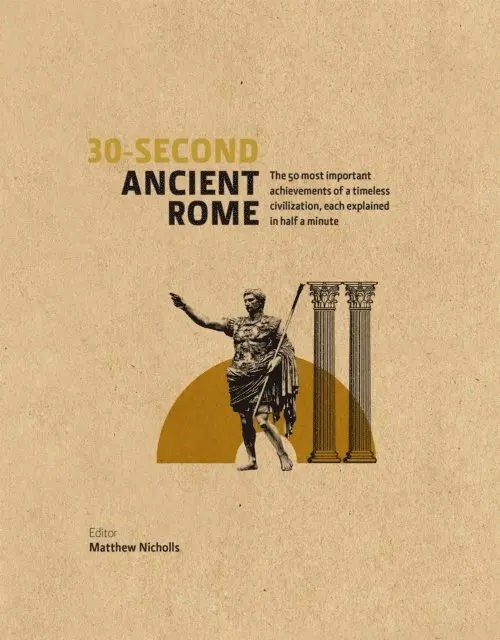
You know that Rome wasn't built in a day, but just how did a cluster of small hilltop villages expand to become one of the greatest empires in history? Why did Romulus kill his brother Remus? How was a legion organized? Did people really speak Latin? What entertainment could you see at the Colosseum? And what was daily life like for a Roman citizen? This book takes a novel approach to answering all these questions and more. 30-Second Ancient Rome presents a unique insight into one of the most brilliantly governed societies, where military might and expansive empire paved the way for technological advances that helped shape our modern existence. From aqueducts to sewers, from mosaics to medical diagnoses, this is the straightest road toward understanding the 50 key innovations and ideas that developed and defined one of the worlds great civilizations.