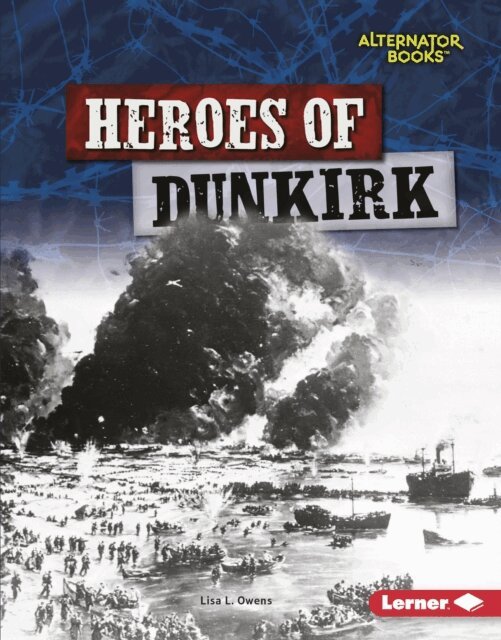
Writing nonfiction for children takes skill with research as well as with writing. The facts and the research supporting children''s nonfiction must hold up under intense scrutiny. Sometimes called "kidlit," today''s successful children''s nonfiction is engaging and enticing and supported by the most credible source material available.
Today''s successful children''s nonfiction authors must believe that facts matter, embrace the crucial role that research plays, know the difference between cursory and quality research, model good research practices for young readers, tap into the joy of chasing new knowledge and in sharing it with others, and bring all of these things to bear on each new book.
Just the Facts: On Researching Your Nonfiction Children''s Book walks a writer-researcher through the steps from pre-planning a subject, to determining the format, to establishing the scope, to embarking on the research-writing-research-writing cycle.
The booklet contains a sample project plan, outlining in great detail the process the author uses once committed to a new nonfiction children''s book idea, from brainstorming, to note-taking, organizing your workspace, sketching out the plan, identifying and collecting source material, creating a writing schedule, stepping away, revising, and when to call it done.
Owens recommends tools such as Google Bookmarks, Twitter bookmarks, private YouTube playlists, and Scrivener''s research-collection feature to capture online sources for review.
Topics include: How to find valuable sources and get access to them. How to select and validate secondary sources. Best practice for testing facts, including the rule-of-three, a rule adhered to by most publishers. Helpful lists of sources, mentor texts, and other resources included.