Simulation, Speculation and Futurity in Contemporary Dramaturgy: From ‘As if’ to ‘What if’ in European Performance Practice examines the resurgence of fiction in contemporary theatre and performance as artists respond to pressing global crises through imagination and speculation rather than documentary realism. Rather than creating illusionary worlds on stage, theatre is inserted into reality, disguised as a court of justice, dating profile, or concept store.This book provides a comprehensive analysis of how European theatre makers such as Milo Rau, Philippe Quesne, Katja Heitmann, Dries Verhoeven and Lotte van den Berg exploit fiction's potential whilst expanding dramaturgical practices. You will discover how theatre's ‘as if’ practices’ are uniquely capable of exploring alternate realities through simulation and speculative thinking. The book demonstrates how contemporary artists deploy theatre's toolkit to activate 'what if' thinking and create laboratories for rehearsing futurity. Through detailed case studies and theoretical frameworks, you will gain insight into how practitioners suggest alternative scenarios for a world facing climate change, democratic fragility and social inequality.This book is essential reading for students and scholars of theatre studies, performance studies and dramaturgy who seek to understand current shifts in contemporary performance practice and the renewed significance of fiction in addressing urgent societal challenges.
Fluid stages, morphing theatre spaces, ambulant spectators, and occasionally disappearing performers: these are some of the key ingredients of nomadic theatre. They are also theatre’s response to life in the 21st century, which is increasingly marked by the mobility of people, information, technologies and services. While examining how contemporary theatre exposes and queries this mobile turn in society, Liesbeth Groot Nibbelink introduces the concept of nomadic theatre as a vital tool for analyzing how movement and mobility affect and implicate the theatre, how this makes way for local operations and lived spaces, and how physical movements are stepping stones for theorizing mobility at large.This book focuses on ambulatory performances and performative installations, asking how they stage movement and in turn mobilize the stage. By analyzing the work of leading European artists such as Rimini Protokoll, Dries Verhoeven, Ontroerend Goed, and Signa, Nomadic Theatre demonstrates that mobile performances radically rethink the conditions of the stage and alter our understanding of spectatorship. Nomadic Theatre instigates connections across disciplinary fields and feeds dramaturgical analysis with insights derived from media theory, urban philosophy, cartography, architecture, and game studies. It illustrates how theatre, as a material form of thought, creatively and critically engages with mobile existence both on the stage and in society.
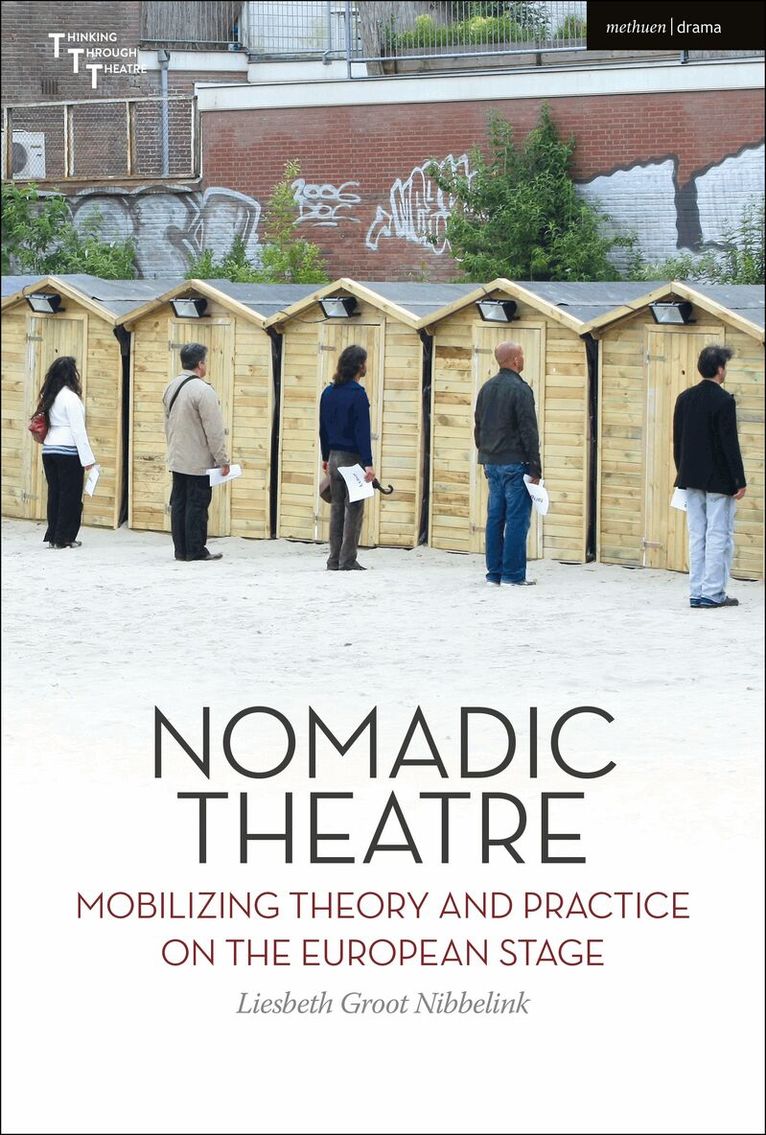
Fluid stages, morphing theatre spaces, ambulant spectators, and occasionally disappearing performers: these are some of the key ingredients of nomadic theatre. They are also theatre''s response to life in the 21st century, which is increasingly marked by the mobility of people, information, technologies and services. While examining how contemporary theatre exposes and queries this mobile turn in society, Liesbeth Groot Nibbelink introduces the concept of nomadic theatre as a vital tool for analyzing how movement and mobility affect and implicate the theatre, how this makes way for local operations and lived spaces, and how physical movements are stepping stones for theorizing mobility at large. This book focuses on ambulatory performances and performative installations, asking how they stage movement and in turn mobilize the stage. By analyzing the work of leading European artists such as Rimini Protokoll, Dries Verhoeven, Ontroerend Goed, and Signa, Nomadic Theatre demonstrates that mobile performances radically rethink the conditions of the stage and alter our understanding of spectatorship. Nomadic Theatre instigates connections across disciplinary fields and feeds dramaturgical analysis with insights derived from media theory, urban philosophy, cartography, architecture, and game studies. It illustrates how theatre, as a material form of thought, creatively and critically engages with mobile existence both on the stage and in society.
Fluid stages, morphing theatre spaces, ambulant spectators, and occasionally disappearing performers: these are some of the key ingredients of nomadic theatre. They are also theatre’s response to life in the 21st century, which is increasingly marked by the mobility of people, information, technologies and services. While examining how contemporary theatre exposes and queries this mobile turn in society, Liesbeth Groot Nibbelink introduces the concept of nomadic theatre as a vital tool for analyzing how movement and mobility affect and implicate the theatre, how this makes way for local operations and lived spaces, and how physical movements are stepping stones for theorizing mobility at large.Now available in paperback, this book focuses on ambulatory performances and performative installations, asking how they stage movement and in turn mobilize the stage. By analyzing the work of leading European artists such as Rimini Protokoll, Dries Verhoeven, Ontroerend Goed, and Signa, Nomadic Theatre demonstrates that mobile performances radically rethink the conditions of the stage and alter our understanding of spectatorship. Nomadic Theatre instigates connections across disciplinary fields and feeds dramaturgical analysis with insights derived from media theory, urban philosophy, cartography, architecture, and game studies. It illustrates how theatre, as a material form of thought, creatively and critically engages with mobile existence both on the stage and in society.