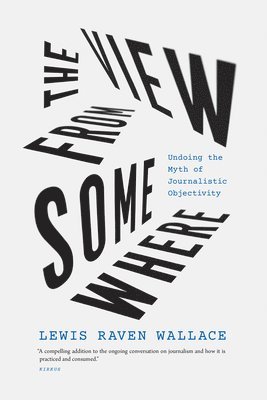
A look at the history and myth of the objective journalist and how this ideal has been used to silence marginalized voices.In The View from Somewhere, Lewis Raven Wallace dives deep into the history of “objectivity” in journalism and how its been used to gatekeep and silence marginalized writers as far back as Ida B. Wells. At its core, this is a book about fierce journalists who have pursued truth and transparency and sometimes been punished for it—not just by tyrannical governments but by journalistic institutions themselves. He highlights the stories of journalists who question “objectivity” with sensitivity and passion: Desmond Cole of the Toronto Star; New York Times reporter Linda Greenhouse; Pulitzer Prize-winner Rachel Kaadzi Ghansah; Peabody-winning podcaster John Biewen; Guardian correspondent Gary Younge; former Buzzfeed reporter Meredith Talusan; and many others. Wallace also shares his own experiences as a midwestern transgender journalist and activist who was fired from his job as a national reporter for public radio for speaking out against “objectivity” in coverage of Trump and white supremacy. With insightful steps through history, Wallace stresses that journalists have never been mere passive observers. Using historical and contemporary examples—from lynching in the nineteenth century to transgender issues in the twenty-first—Wallace offers a definitive critique of “objectivity” as a catchall for accurate journalism. He calls for the dismissal of this damaging mythology in order to confront the realities of institutional power, racism, and other forms of oppression and exploitation in the news industry. The View from Somewhere is a compelling rallying cry against journalist neutrality and for the validity of news told from distinctly subjective voices.
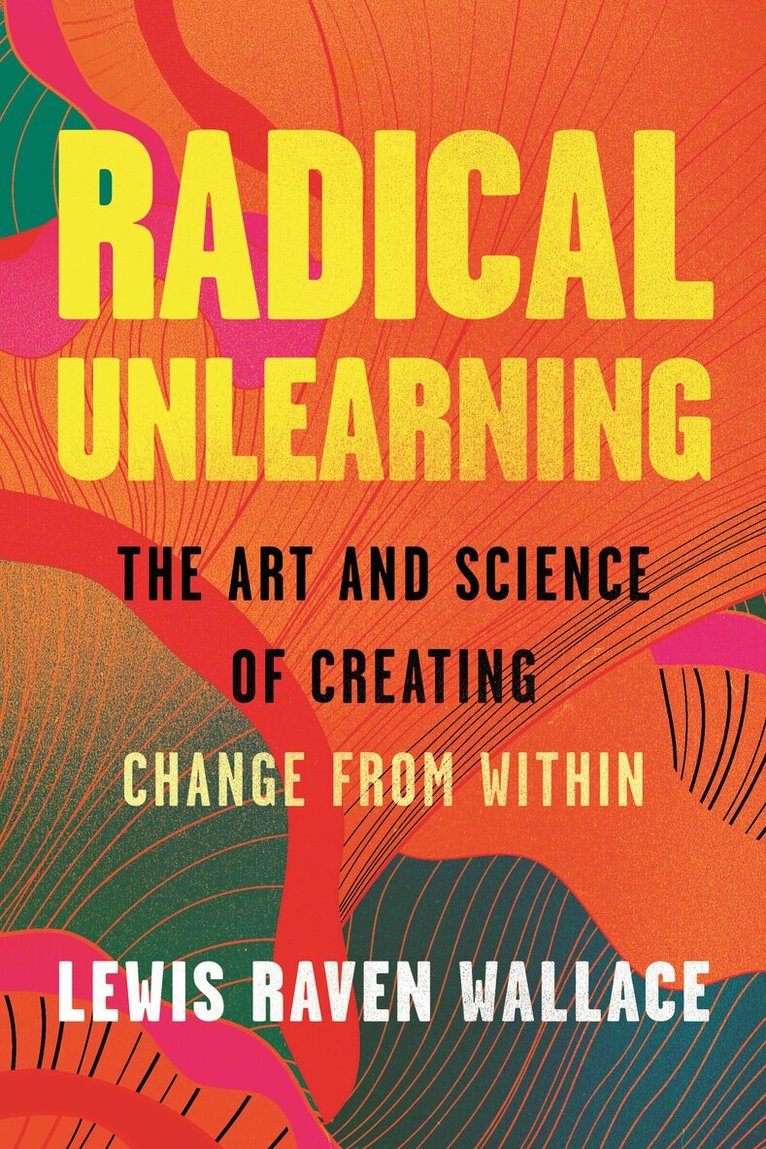
"An intimate text on how we really change, deep underneath it all. Give this book to everyone you love who is stuck in a heartbreaking worldview." —adrienne maree brown, author of Loving Corrections and Emergent StrategyWhat if the beliefs shaping your life aren’t fixed—and you can change them?In Radical Unlearning, journalist and activist Lewis Raven Wallace shows how even our most deeply ingrained biases and habits can be rewired.Drawing on neuroscience and reporting, Wallace explains how neuroplasticity, the brain’s ability to form new pathways, allows us to break old patterns and build new ways of thinking. Like well-worn footpaths, our habits of mind take shape over time, but with intention, we can create different routes.Designed for readers ready to examine and challenge their assumptions, this book combines compelling storytelling with practical tools you can use right away, guided exercises and reflection prompts that help you actively engage in the process of change.Through unforgettable real-world examples, Wallace reveals what transformation looks like in practice, including:A former white nationalist who becomes a transgender anti-racist organizerAn ex-Israeli soldier who reexamines his beliefs and becomes an outspoken activistWallace’s own grandmother, who confronts a lifetime of racism and transphobia in her 80sAt a time of deep division, Radical Unlearning offers a clear, actionable path forward. It’s a book for readers who want to think more critically, engage more thoughtfully, and contribute to meaningful change—starting with themselves.
#MeToo. #BlackLivesMatter. #NeverAgain. #WontBeErased. Though both the right- and left-wing media claim "objectivity" in their reporting of these and other contentious issues, the American public has become increasingly cynical about truth, fact, and reality. In The View From Somewhere, Lewis Raven Wallace dives deep into the history of "objectivity" in journalism and how it's been used to gatekeep and silence marginalized writers as far back as Ida B. Wells. At its core, this is a book about fierce journalists who have pursued truth and transparency and sometimes been punished for it--not just by tyrannical governments but by journalistic institutions themselves. He highlights the stories of journalists who question "objectivity" with sensitivity and passion: Desmond Cole of the Toronto Star; New York Times reporter Linda Greenhouse; Pulitzer Prize-winner Rachel Kadzi Ghansah; Peabody-winning podcaster John Biewen; Guardian correspondent Gary Younge; former Buzzfeed reporter Meredith Talusan; and many others. Wallace also shares his own experiences as a midwestern transgender journalist and activist who was fired from his job as a national reporter for public radio for speaking out against "objectivity" in coverage of Trump and white supremacy. With insightful steps through history, Wallace stresses that journalists have never been mere passive observers--the choices they make reflect worldviews tinted by race, class, gender, and geography. He upholds the centrality of facts and the necessary discipline of verification but argues against the long-held standard of "objective" media coverage that asks journalists to claim they are without bias. Using historical and contemporary examples--from lynching in the nineteenth century to transgender issues in the twenty-first--Wallace offers a definitive critique of "objectivity" as a catchall for accurate journalism. He calls for the dismissal of this damaging mythology in order to confront the realities of institutional power, racism, and other forms of oppression and exploitation in the news industry. Now more than ever, journalism that resists extractive, exploitive, and tokenistic practices towards marginalized people isn't just important--it is essential. Combining Wallace's intellectual and emotional journey with the wisdom of others' experiences, The View from Somewhere is a compelling rallying cry against journalist neutrality and for the validity of news told from distinctly subjective voices.