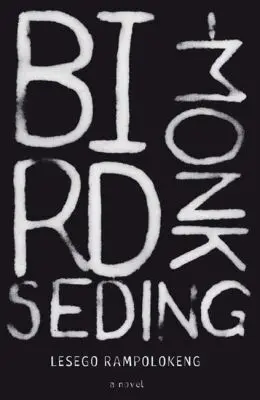
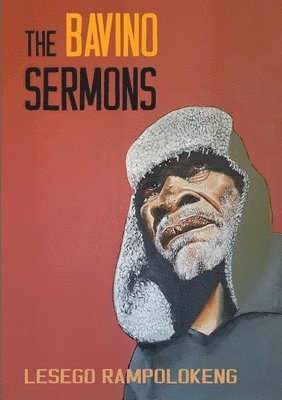
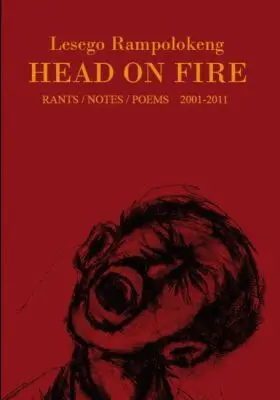
Lesego Rampolokeng is a poet and performance maestro, and the author of 12 books, including two plays and three novels. He has collaborated with visual artists, playwrights, film-makers, theatre and opera producers, poets and musicians. His no-holds-barred style, radical political-aesthetic perspective and instantly recognisable voice have brought him a unique place in South African literature.Rampolokeng’s third novel Bird-Monk Seding is a stark picture of life in a rural township two decades into South Africa’s democracy. Listening and observing in the streets and taverns, narrator Bavino Sekete, often feeling desperate himself, is thrown back to his own violent childhood in Soweto. To get through, he turns to his pantheon of jazz innovators and radical writers.This place is called SEDING, short for Leseding, place of light. Quite ironic given the darkness throbbing at its core and spilling out bubbling in the blackest rage when least expected. Surrounded by farmland in all directions, it is a settlement of about 700 households crammed in tiny structures. Average 7 souls per hovel. It used to be made up of ramshackle corrugated iron shacks that seemed tossed down regardless of aesthetics. Then the new administration’s housing programme kicked in.Man in the bush in quest of Bosman’s ghost. Finding AWB rabidity. Tranquillity so deep it kills. Hate-hounds. Beneath the surface quiet, such racist rotten-heartedness. & children dying. Starvation abounds. Raw sewage in the water supply. Crap in the taps. Skin matters. Ancient white beards sexing black teens for tins, food exchange. The soul’s impoverishment. The starved get their humanity halved. And weekends of sex-tourism. Alcoholic stares everywhere. Deep fear too.
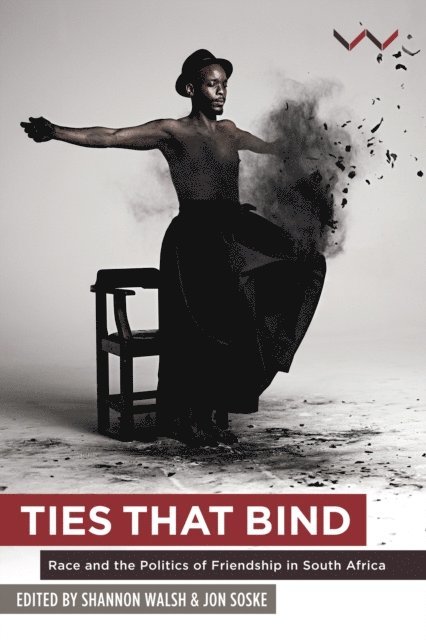
What does friendship have to do with racial difference, settler colonialism and post-apartheid South Africa? While histories of apartheid and colonialism in South Africa have often focused on the ideologies of segregation and white supremacy, Ties that Bind explores how the intimacies of friendship create vital spaces for practices of power and resistance. Combining interviews, history, poetry, visual arts, memoir and academic essay, the collection keeps alive the promise of friendship and its possibilities while investigating how affective relations are essential to the social reproduction of power. From the intimacy of personal relationships to the organising ideology of liberal colonial governance, the contributors explore the intersection of race and friendship from a kaleidoscope of viewpoints and scales. Insisting on a timeline that originates in settler colonialism, Ties that Bind uncovers the implication of anti-blackness within nonracialism, and powerfully challenges a simple reading of the Mandela moment and the rainbow nation. In the wake of countrywide student protests calling for decolonisation of the university, and reignited debates around racial inequality, this timely volume insists that the history of South African politics has always already been about friendship. Written in an accessible and engaging style, Ties that Bind will interest a wide audience of scholars, students and activists, as well as general readers curious about contemporary South African debates around race and intimacy.
What does friendship have to do with racial difference, settler colonialism and post-apartheid South Africa? While histories of apartheid and colonialism in South Africa have often focused on the ideologies of segregation and white supremacy, Ties that Bind explores how the intimacies of friendship create vital spaces for practices of power and resistance. Combining interviews, history, poetry, visual arts, memoir and academic essay, the collection keeps alive the promise of friendship and its possibilities while investigating how affective relations are essential to the social reproduction of power. From the intimacy of personal relationships to the organising ideology of liberal colonial governance, the contributors explore the intersection of race and friendship from a kaleidoscope of viewpoints and scales. Insisting on a timeline that originates in settler colonialism, Ties that Bind uncovers the implication of anti-blackness within nonracialism, and powerfully challenges a simple reading of the Mandela moment and the rainbow nation. In the wake of countrywide student protests calling for decolonisation of the university, and reignited debates around racial inequality, this timely volume insists that the history of South African politics has always already been about friendship. Written in an accessible and engaging style, Ties that Bind will interest a wide audience of scholars, students and activists, as well as general readers curious about contemporary South African debates around race and intimacy.