821 kr
Skickas inom 10-15 vardagar
821 kr
Skickas inom 10-15 vardagar
675 kr
Skickas inom 10-15 vardagar
816 kr
Skickas inom 10-15 vardagar
746 kr
Skickas inom 10-15 vardagar
2 602 kr
Skickas inom 10-15 vardagar
876 kr
Läs direkt efter köp
876 kr
Läs direkt efter köp
956 kr
Läs direkt efter köp
956 kr
Läs direkt efter köp
949 kr
Läs direkt efter köp
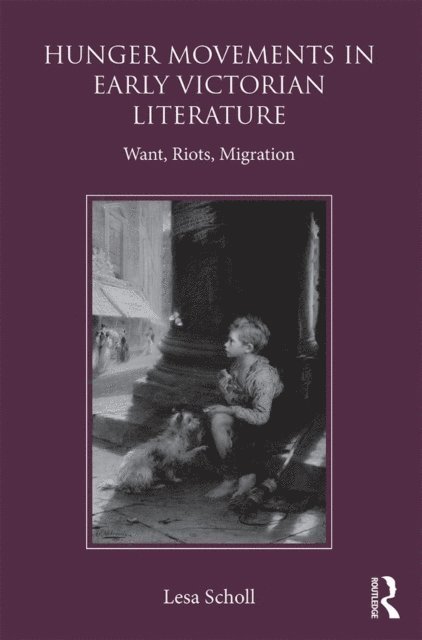
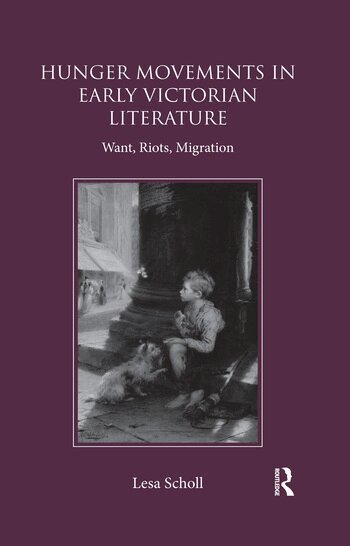
In Hunger Movements in Early Victorian Literature, Lesa Scholl explores the ways in which the language of starvation interacts with narratives of emotional and intellectual want to create a dynamic, evolving notion of hunger. Scholl''s interdisciplinary study emphasises literary analysis, sensory history, and political economy to interrogate the progression of hunger in Britain from the early 1830s to the late 1860s. Examining works by Charles Dickens, Harriet Martineau, George Eliot, Elizabeth Gaskell, Henry Mayhew, and Charlotte Bronte, Scholl argues for the centrality of hunger in social development and understanding. She shows how the rhetoric of hunger moves beyond critiques of physical starvation to a paradigm in which the dominant narrative of civilisation is predicated on the continual progress and evolution of literal and metaphorical taste. Her study makes a persuasive case for how hunger, as a signifier of both individual and corporate ambition, is a necessarily self-interested and increasingly violent agent of progress within the discourse of political economy that emerged in the eighteenth century and subsequently shaped nineteenth-century social and political life.
956 kr
Läs direkt efter köp
In Hunger Movements in Early Victorian Literature, Lesa Scholl explores the ways in which the language of starvation interacts with narratives of emotional and intellectual want to create a dynamic, evolving notion of hunger. Scholl''s interdisciplinary study emphasises literary analysis, sensory history, and political economy to interrogate the progression of hunger in Britain from the early 1830s to the late 1860s. Examining works by Charles Dickens, Harriet Martineau, George Eliot, Elizabeth Gaskell, Henry Mayhew, and Charlotte Bronte, Scholl argues for the centrality of hunger in social development and understanding. She shows how the rhetoric of hunger moves beyond critiques of physical starvation to a paradigm in which the dominant narrative of civilisation is predicated on the continual progress and evolution of literal and metaphorical taste. Her study makes a persuasive case for how hunger, as a signifier of both individual and corporate ambition, is a necessarily self-interested and increasingly violent agent of progress within the discourse of political economy that emerged in the eighteenth century and subsequently shaped nineteenth-century social and political life.
1 797 kr
Skickas inom 10-15 vardagar
579 kr
Läs direkt efter köp
592 kr
Läs direkt efter köp
545 kr
Skickas inom 10-15 vardagar
1 553 kr
Skickas inom 10-15 vardagar
538 kr
Läs direkt efter köp
538 kr
Läs direkt efter köp
496 kr
Skickas inom 10-15 vardagar
1 391 kr
Skickas inom 10-15 vardagar
1 524 kr
Läs direkt efter köp
1 513 kr
Läs direkt efter köp
470 kr
Kommande
857 kr
Läs direkt efter köp
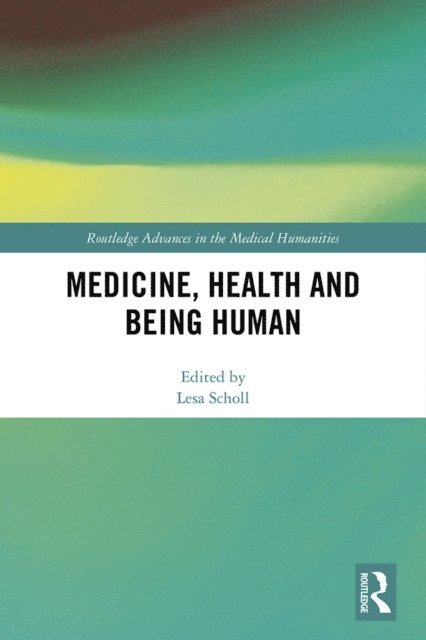
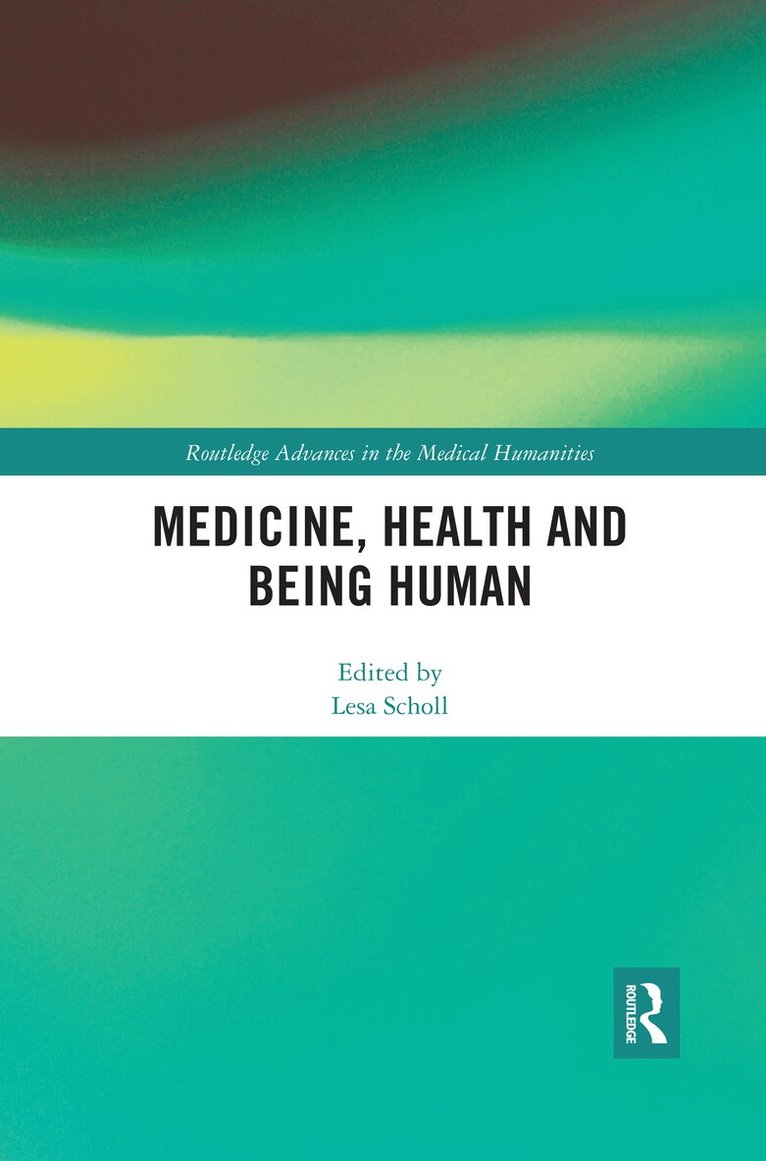
Medicine, Health and Being Human begins a conversation to explore how the medical has defined us: that is, the ways in which perspectives of medicine and health have affected cultural understandings of what it means to be human.
With chapters that span from the early modern period through to the contemporary world, and are drawn from a range of disciplines, this volume holds that incremental historical and cultural influences have brought about an understanding of humanity in which the medical is ingrained, consciously or unconsciously, usually as a mode of legitimisation. Divided into three parts, the book follows a narrative path from the integrity of the human soul, through to the integrity of the material human body, then finally brought together through engaging with end-of-life responses. Part 1 examines the move from spirituality to psychiatry in terms of the way medical science has influenced cultural understandings of the mind. Part 2 interrogates the role that medicine has played in the nineteenth and twentieth centuries in constructing and deconstructing the self and other, including the fusion of visual objectivity and the scientific gaze in constructing perceptions of humanity. Part 3 looks at the limits of medicine when the integrity of one body breaks down. It contends with the ultimate question of the extent to which humanity is confined within the integrity of the human body, and how medicine and the humanities work together toward responding to the finality of death.
This is a valuable contribution for all those interested in the medical humanities, history of medicine, history of ideas and the social approaches to health and illness.
779 kr
Läs direkt efter köp
Medicine, Health and Being Human begins a conversation to explore how the medical has defined us: that is, the ways in which perspectives of medicine and health have affected cultural understandings of what it means to be human.
With chapters that span from the early modern period through to the contemporary world, and are drawn from a range of disciplines, this volume holds that incremental historical and cultural influences have brought about an understanding of humanity in which the medical is ingrained, consciously or unconsciously, usually as a mode of legitimisation. Divided into three parts, the book follows a narrative path from the integrity of the human soul, through to the integrity of the material human body, then finally brought together through engaging with end-of-life responses. Part 1 examines the move from spirituality to psychiatry in terms of the way medical science has influenced cultural understandings of the mind. Part 2 interrogates the role that medicine has played in the nineteenth and twentieth centuries in constructing and deconstructing the self and other, including the fusion of visual objectivity and the scientific gaze in constructing perceptions of humanity. Part 3 looks at the limits of medicine when the integrity of one body breaks down. It contends with the ultimate question of the extent to which humanity is confined within the integrity of the human body, and how medicine and the humanities work together toward responding to the finality of death.
This is a valuable contribution for all those interested in the medical humanities, history of medicine, history of ideas and the social approaches to health and illness.
3 643 kr
Skickas inom 7-10 vardagar
2 877 kr
Skickas inom 10-15 vardagar
3 144 kr
Skickas inom 10-15 vardagar
Springer Nature Switzerland AG
12 601 kr
Skickas inom 10-15 vardagar
14 277 kr
Läs direkt efter köp