Häftad, Engelska, 2019
622 kr
Skickas inom 7-10 vardagar
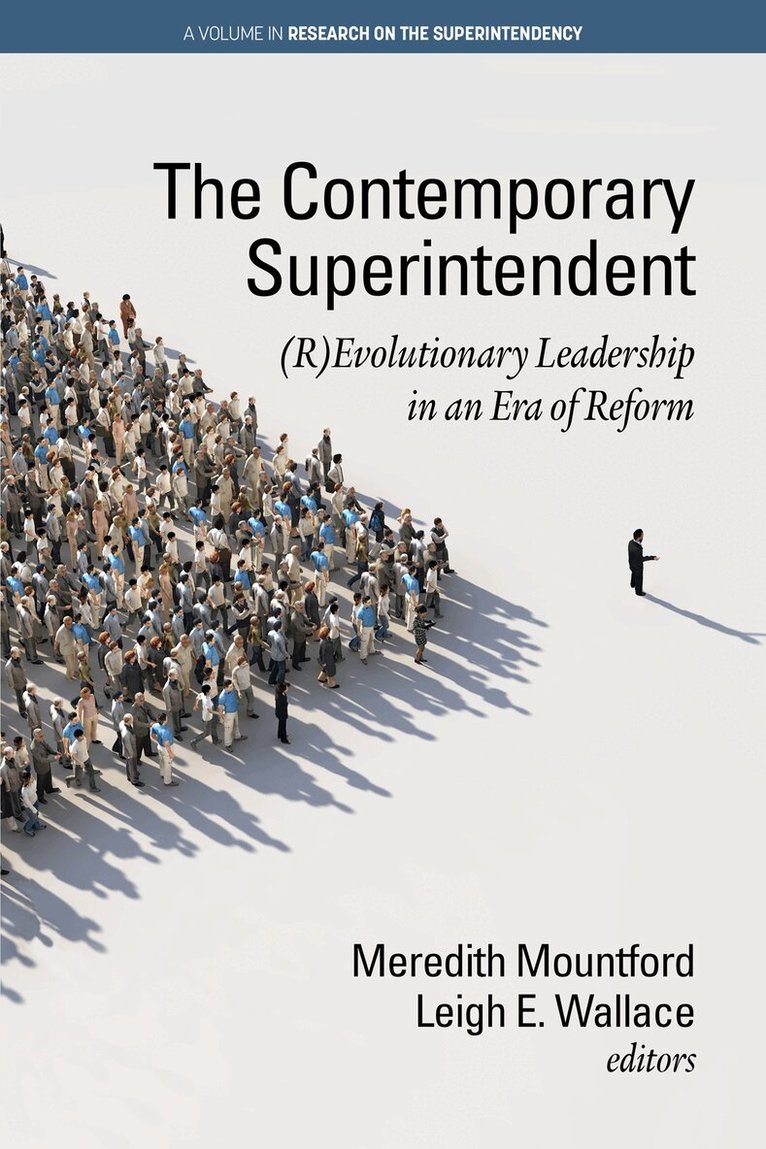
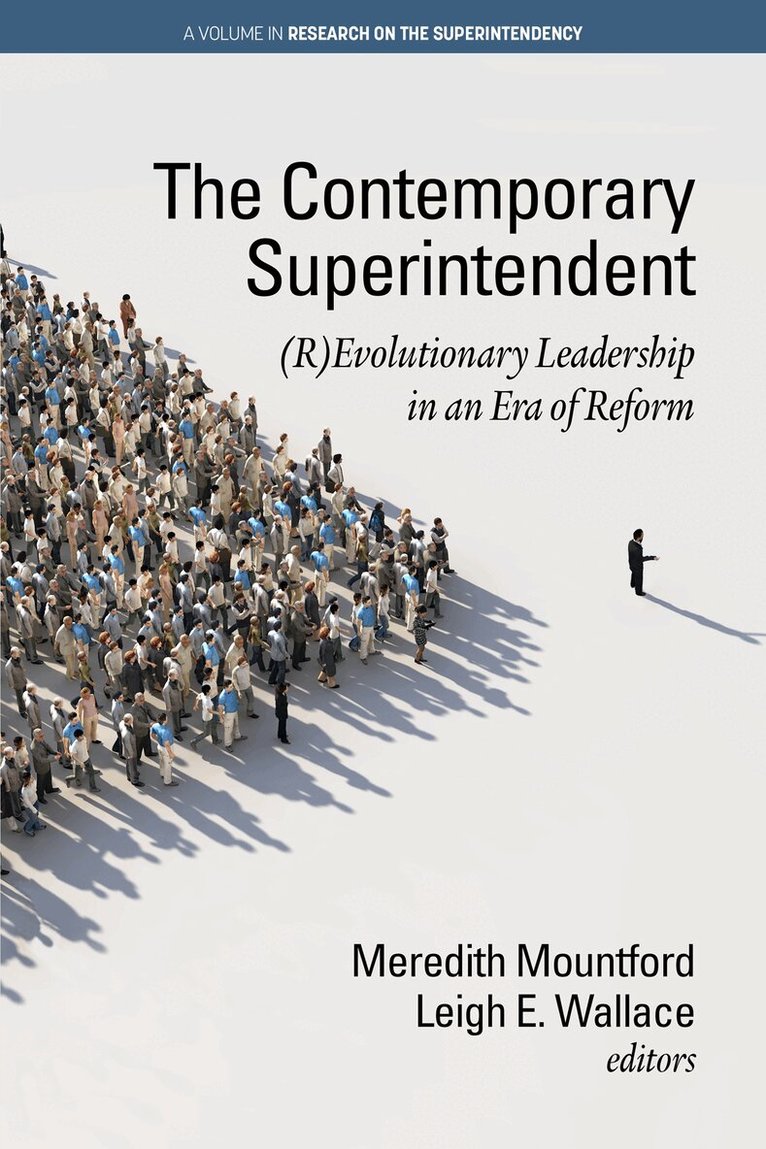
What is (R)Evolutionary Leadership? Why Does it Matter?How can contemporary school district administrators, specifically superintendents, contend with so many difficult, and almost impossible competing commitments? Building on the definitions of revolution, revolutionary, evolution, and evolutionary, the notion of (R)Evolutionary Leadership emerged while discussing the need for school district leaders to push back against the status quo while improving teacher and leadership practices, improving student learning outcomes, engaging with the community, and ensuring decision making processes that include check and balance systems that are just, fair, and equitable for all.The chapters in this book introduce superintendents or research on superintendents in which these tenants were practiced; both in their ability to enact radical change by “overthrowing” the status quo – as well as evolutionary in their deliberate approach to viewing change as a process they can control over time. These leaders were willing to confront and defy practices and policies that were counter to student well-being and achievement while concurrently knowing how to reach their desired results. The chapters chosen for inclusion in this volume are those that offered a glimpse of these revolutionary tenants in practice.We ask that you consider this emerging concept as you explore the chapters of our book. You will find the (R)evolutionary Leaders you meet in the chapters know how to evolve, not just to stay alive, but to ensure the organization (school) remains relevant and vital to society. These leaders use their positional power, social capital, and expertise to advocate for policies and practices that are in the best interest of the school community and they innovate in ways that challenge the status quo. You will also find practices that are (R)Evolutionary and provide ways for leaders to innovate, collaborate, and simply take care of themselves and those around them. Our description does not seek to support or define or delineate the characteristics of a (R)Evolutionary Leader or how one might enact (R)Evolutionary Leadership–but serves as a way to (re)think the way we view the vastly complex work of school district administrators, specifically the superintendent. (R)Evolutionary leadership may change our ways of thinking about the significant advocacy role a superintendent can play in influencing both practice and policy to enact the change necessary to move forward issues of justice, equity, and quality in PK-12 schools and further to improve educational and social outcomes for those served.