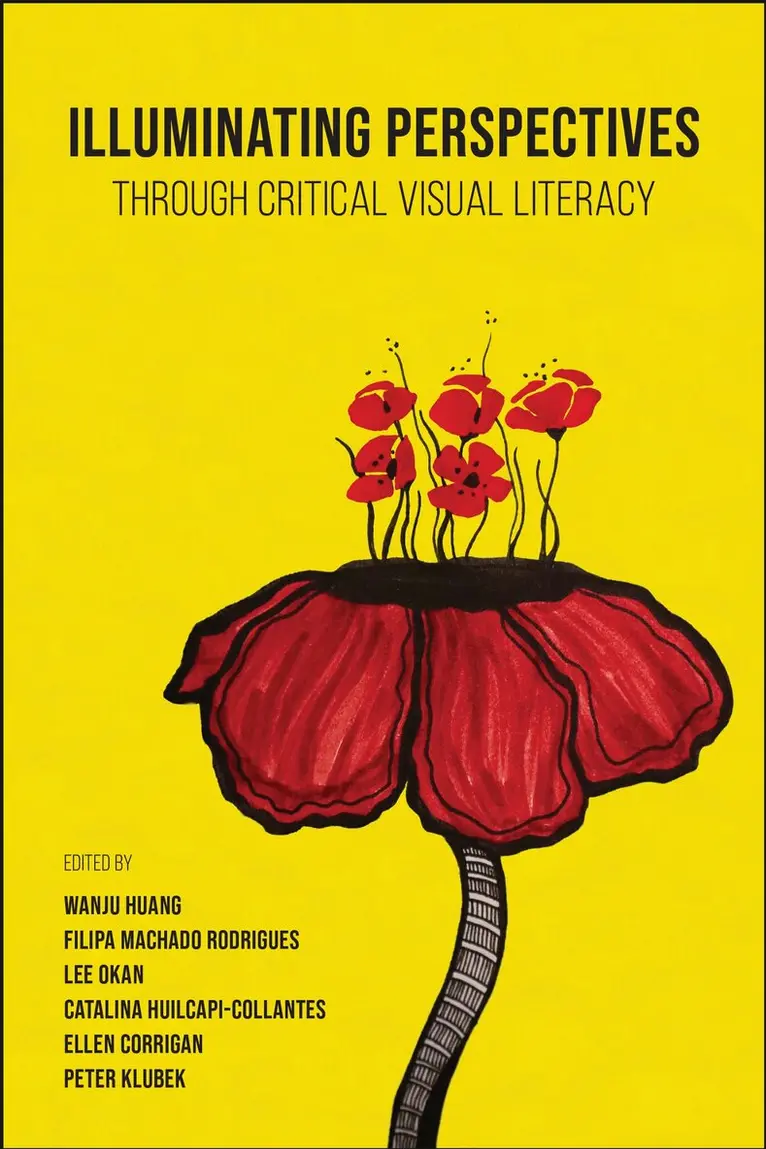
Illuminating Perspectives Through Critical Visual Literacy exemplifies the initiatives put forth by the International Visual Literacy Association (IVLA), a diverse community of professionals dedicated to enhancing people's understanding of how to interpret visual stimuli and engage with their visual surroundings. Featuring peer-reviewed essays that encourage ongoing dialogue among diverse groups, this book intends to spark new insights into everything from the arts and sciences to business and instructional technology. A key strength of IVLA is its variety of scholarly conferences and publications that encourage thought-provoking interaction between practitioners and theorists. Illuminating Perspectives Through Critical Visual Literacy showcases insightful works that highlight the vibrancy and depth of the IVLA's ongoing commitment to promoting visual literacy by equipping individuals with the ability to analyze the contextual, cultural, ethical, aesthetic, intellectual, and technical components involved in the production and use of visual materials.
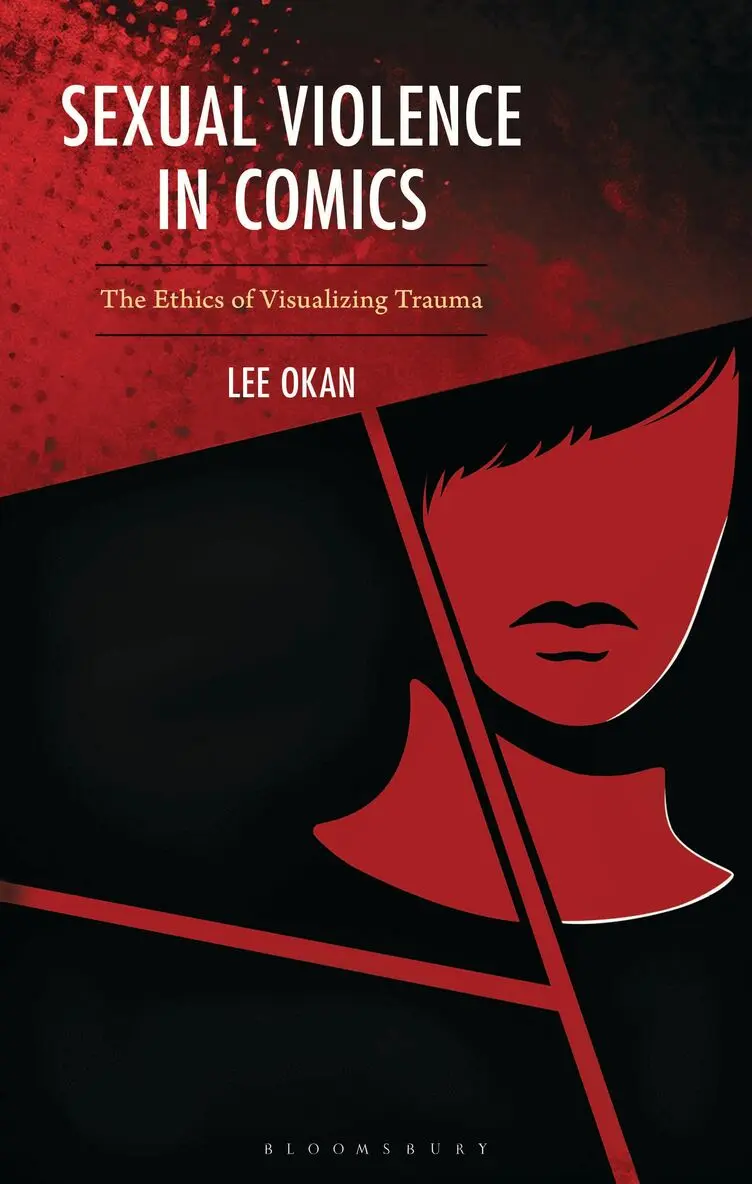
An examination of how comics represent, confront, and sometimes perpetuate gendered violence. Lee Okan argues that comics, with their hybrid form of image and text, possess an ability to express the unspeakable dimensions of trauma while also raising ethical questions about spectatorship, representation, and storytelling. Through close analysis of contemporary and independent comics, as well as anthology collections, this book shows how artists navigate the tension between testimony and spectacle, visibility and exploitation.Rather than treating comics as an isolated medium, Okan situates these works within broader cultural and media discourses on sexual violence, arguing that comics shape and are shaped by feminist activism, visual culture, and reader response. Sexual Violence in Comics traces how creators reframe the terms of witness, challenge dominant narratives, and reclaim narrative authority, particularly in the wake of the #MeToo movement and beyond.
An examination of how comics represent, confront, and sometimes perpetuate gendered violence. Lee Okan argues that comics, with their hybrid form of image and text, possess an ability to express the unspeakable dimensions of trauma while also raising ethical questions about spectatorship, representation, and storytelling. Through close analysis of contemporary and independent comics, as well as anthology collections, this book shows how artists navigate the tension between testimony and spectacle, visibility and exploitation.Rather than treating comics as an isolated medium, Okan situates these works within broader cultural and media discourses on sexual violence, arguing that comics shape and are shaped by feminist activism, visual culture, and reader response. Sexual Violence in Comics traces how creators reframe the terms of witness, challenge dominant narratives, and reclaim narrative authority, particularly in the wake of the #MeToo movement and beyond.