How does one transform small size and relative isolation into a powerful combination for sustainable growth and prosperity? Some islands and rural regions have already done so. Winning tools and strategies deployed by these middle-level governance structures include: 'scaling up' of municipal units; developing tourist and computer-driven industries; engaging strategically with their diaspora; branding niche products and services; facilitating 'boutique', small-scale manufacturing; limiting local firm rivalry; and, overall, deploying a creative 'resourcefulness of jurisdiction'. The papers in this collection flesh out these tools and strategies. They do so by unpacking and challenging received wisdom; charting out the parameters of effective government; teasing in the critical role of empowered local communities and the engagement of civil society with the multiple levels of decision-making of the state. The book's message emphasizes a proactive, creative, and assertive approach to governance; one that aims to instill a sense of efficacy to achieve remote control.
"Living on the edge" implies insecurity. On the surface, the people of the Great Northern Peninsula must be marginal Canadians for they live in an isolated area where incomes are low and unemployment high. So why do people stay? How do they cope with life on the margins of an advanced industrial society? The editors and the contributing anthropologists and sociologists try to answer these questions by looking at key attitudes and aspects of the social structure. In addition to analysis of the area's economic base in the fishery, this book deals with the informal economy, the division of labour in households, women's local political action, youth unemployment, and the complex and enduring strategies through which residents not only survive in this harsh environment, but create a relatively satisfying lifestyle.
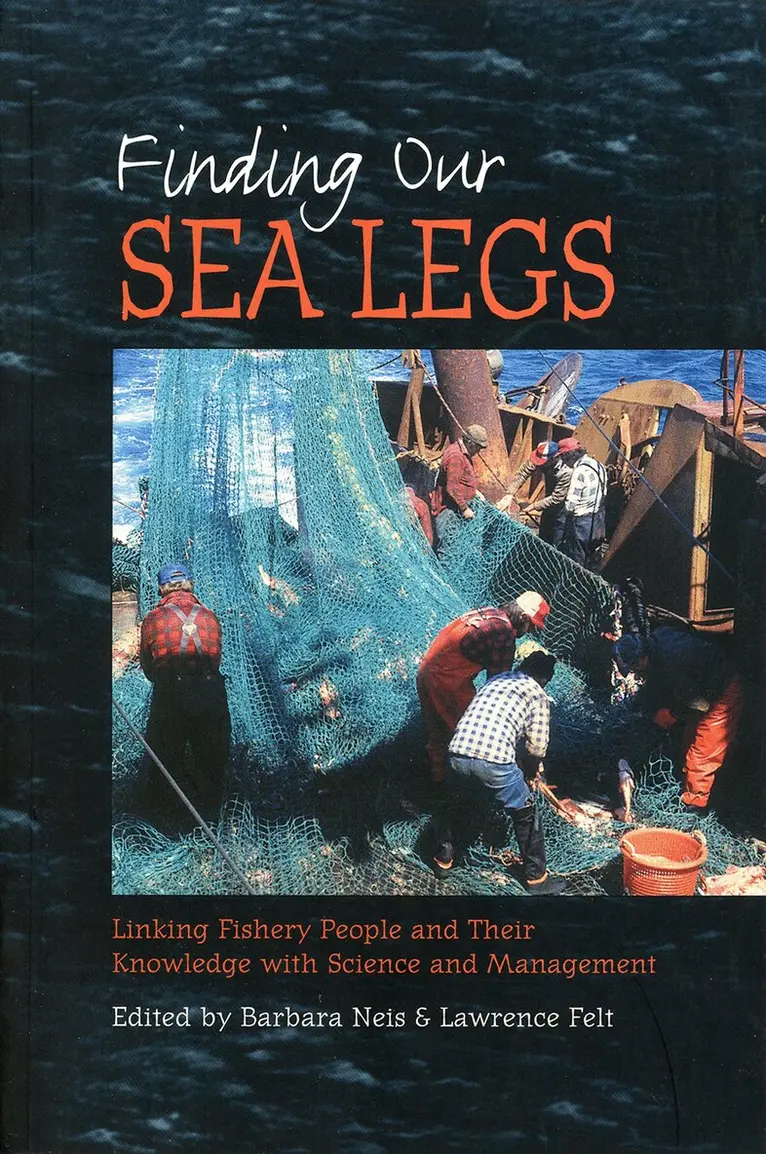
The global fisheries crisis has prompted widespread debate about the origins of overfishing in managed fisheries. Criticisms of existing systems of science and management have led to experimental approaches involving access to fishery workers and their knowledge. Finding Our Sea Legs is an edited collection of theoretical discussions and case studies of such experiments, with a particular focus on the North Atlantic. Significant institutional changes are required to involve fishery workers and their knowledge in fisheries science and management. Fundamental differences between stock assessment science and fishers' knowledge require new methods for combining and interpreting information. Management structures, industrial and resource management strategies and technological change could affect the nature and quality of information derived from fishery workers. Such impacts need to be assessed. This extensive interdisciplinary overview will be useful to students, fishers, community leaders, social and natural scientists, managers and environmentalists with an interest in fisheries science and management.