623 kr
Skickas inom 10-15 vardagar
623 kr
Skickas inom 10-15 vardagar
1 125 kr
Läs direkt efter köp
1 720 kr
Skickas inom 7-10 vardagar
1 793 kr
Skickas inom 7-10 vardagar
1 133 kr
Läs direkt efter köp
971 kr
Skickas inom 7-10 vardagar
2 601 kr
Skickas inom 10-15 vardagar
314 kr
Skickas inom 7-10 vardagar
307 kr
Skickas inom 7-10 vardagar
403 kr
Skickas inom 7-10 vardagar
2 602 kr
Skickas inom 10-15 vardagar
1 528 kr
Skickas
1 813 kr
Skickas inom 7-10 vardagar
1 979 kr
Skickas inom 7-10 vardagar
523 kr
Skickas inom 7-10 vardagar
5 832 kr
Läs direkt efter köp
5 791 kr
Läs direkt efter köp
813 kr
Läs direkt efter köp
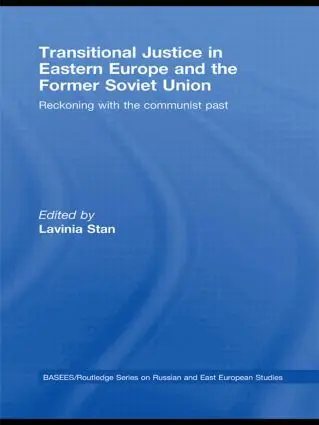
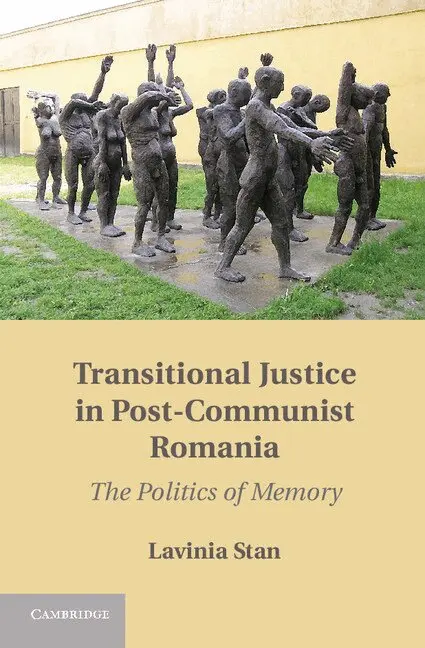
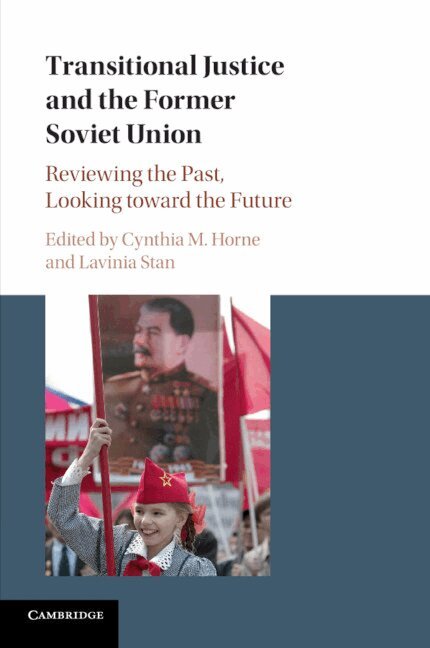
During the last two decades, the countries of Eastern Europe and the former Soviet Union have attempted to address the numerous human rights abuses that characterized the decades of communist rule. This book examines the main processes of transitional justice that permitted societies in those countries to come to terms with their recent past. It explores lustration, the banning of communist officials and secret political police officers and informers from post-communist politic, ordinary citizens’ access to the remaining archives compiled on them by the communist secret police, as well as trials and court proceedings launched against former communist officials and secret agents for their human rights trespasses. Individual chapters explore the progress of transitional justice in Germany, the Czech Republic, Slovakia, Poland, Hungary, Romania, Bulgaria, Albania, Slovenia and the successor states of the former Soviet Union. The chapters explain why different countries have employed different models to come to terms with their communist past; assess each country’s relative successes and failures; and probe the efficacy of country-specific legislation to attain the transitional justice goals for which it was developed. The book draws together the country cases into a comprehensive comparative analysis of the determinants of post-communist transitional justice, that will be relevant not only to scholars of post-communist transition, but also to anyone interested in transitional justice in other contexts.
807 kr
Läs direkt efter köp
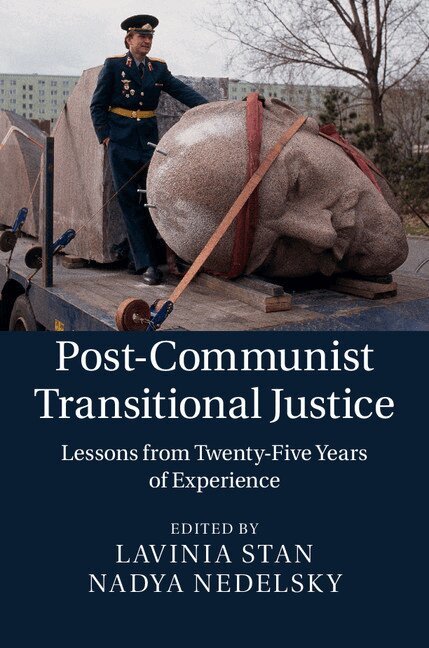
During the last two decades, the countries of Eastern Europe and the former Soviet Union have attempted to address the numerous human rights abuses that characterized the decades of communist rule. This book examines the main processes of transitional justice that permitted societies in those countries to come to terms with their recent past. It explores lustration, the banning of communist officials and secret political police officers and informers from post-communist politic, ordinary citizens’ access to the remaining archives compiled on them by the communist secret police, as well as trials and court proceedings launched against former communist officials and secret agents for their human rights trespasses. Individual chapters explore the progress of transitional justice in Germany, the Czech Republic, Slovakia, Poland, Hungary, Romania, Bulgaria, Albania, Slovenia and the successor states of the former Soviet Union. The chapters explain why different countries have employed different models to come to terms with their communist past; assess each country’s relative successes and failures; and probe the efficacy of country-specific legislation to attain the transitional justice goals for which it was developed. The book draws together the country cases into a comprehensive comparative analysis of the determinants of post-communist transitional justice, that will be relevant not only to scholars of post-communist transition, but also to anyone interested in transitional justice in other contexts.
687 kr
Skickas inom 7-10 vardagar
1 712 kr
Skickas inom 10-15 vardagar
618 kr
Skickas inom 10-15 vardagar
1 215 kr
Skickas inom 10-15 vardagar
1 524 kr
Skickas inom 10-15 vardagar
1 942 kr
Läs direkt efter köp
1 524 kr
Skickas inom 10-15 vardagar
1 632 kr
Skickas inom 10-15 vardagar
2 065 kr
Läs direkt efter köp
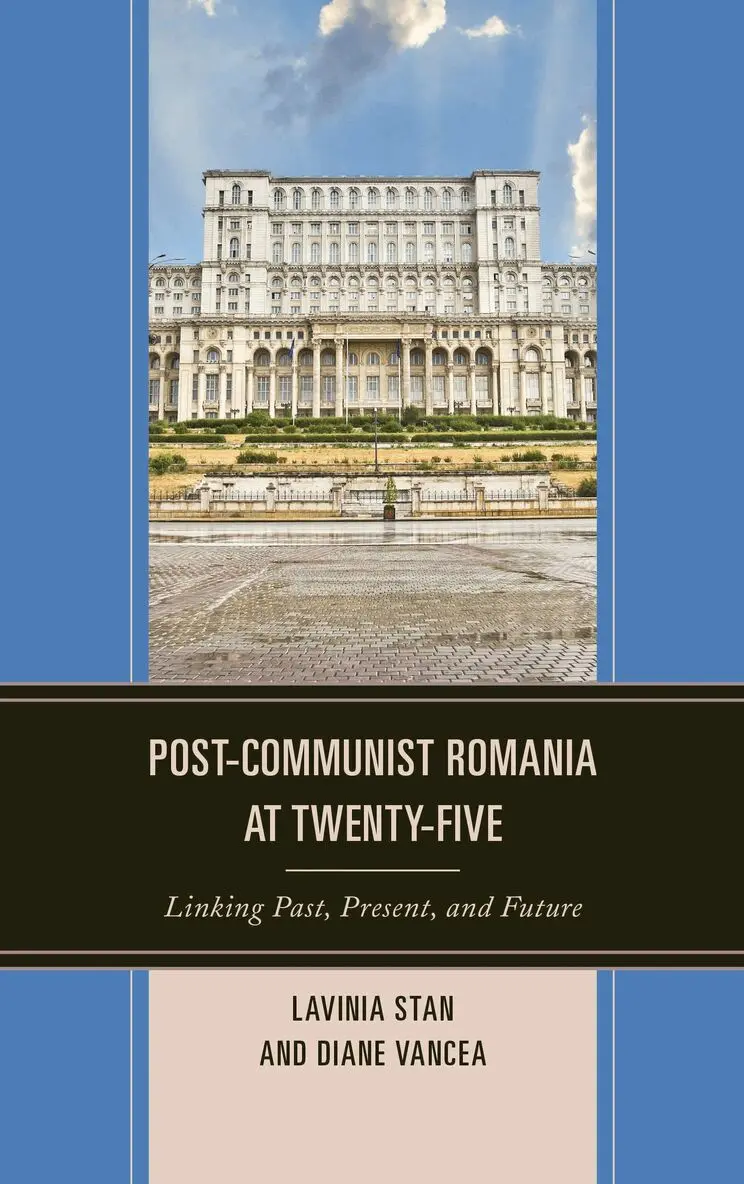
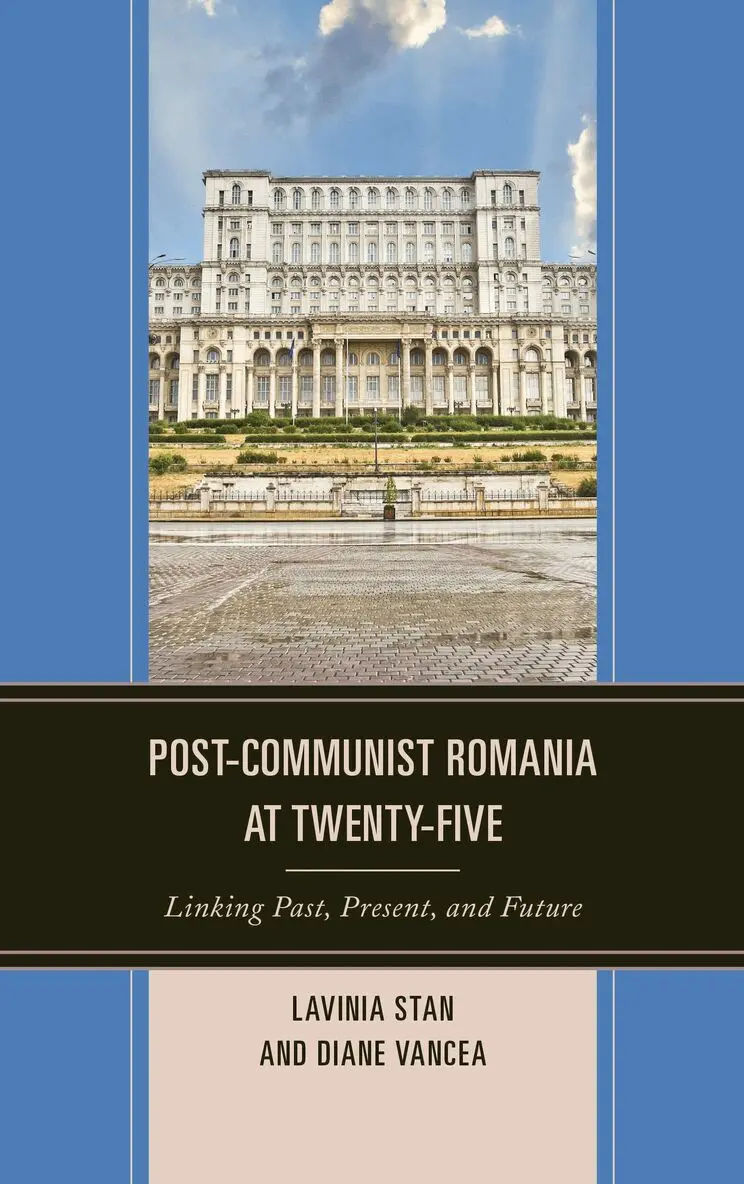
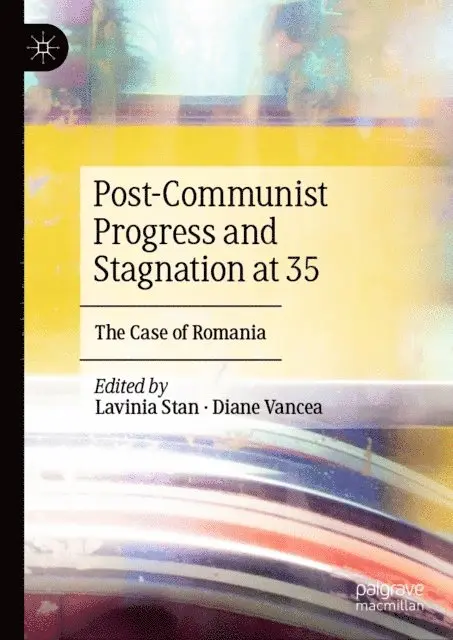
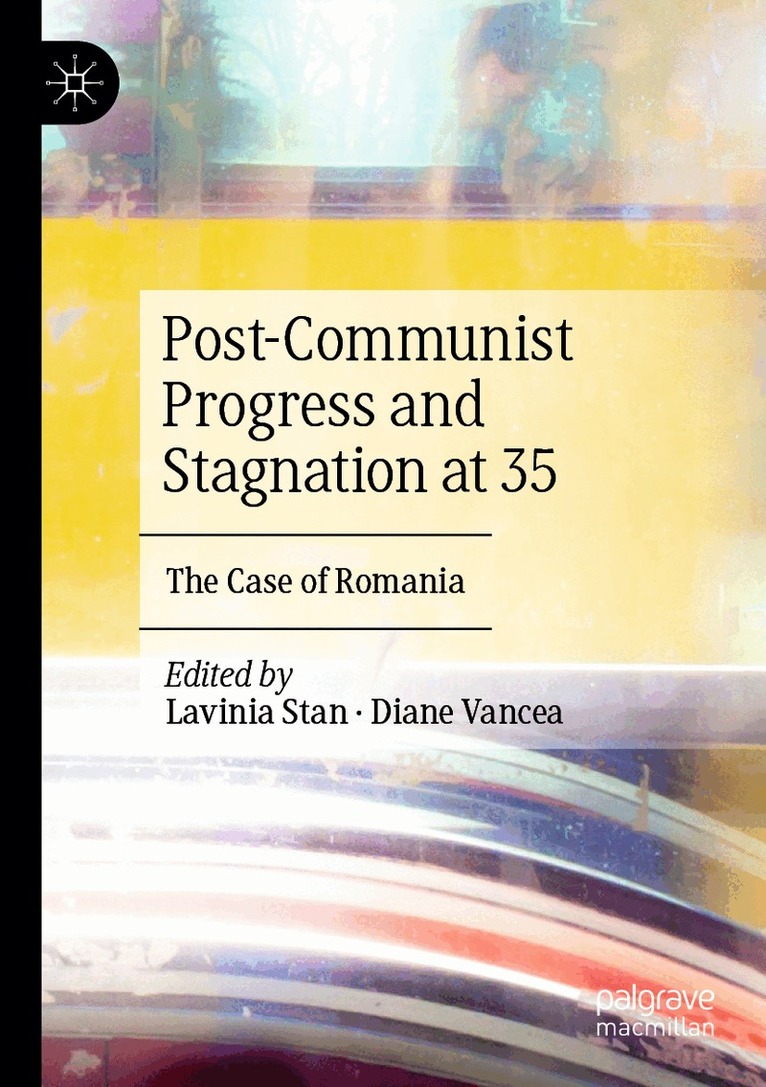
This book examines Romania’s efforts to consolidate liberal democracy and market economy, as desired by the generation who effected change in 1989 and required by the European Union. The ousting of Nicolae Ceausescu, leader of an autarchic and nationalistic dictatorship, underscored the limitations of politically engineering change when rule of law is weak, institutions are misused, and intolerance and cheating are prevalent. Despite initial hopes, Romania’s transition combined progress and stagnation, missed opportunities, detours, unintended consequences, and success. The contributions illustrate the tenuous relationship between continuity and change in a country that is yet to catch up with its neighbors.
1 632 kr
Skickas inom 10-15 vardagar
364 kr
Skickas inom 7-10 vardagar